

In the vast expanses of West Texas where oil fields stretch under endless skies regulators have taken a decisive step toward modernizing the power grid that underpins both industry and daily life. The decision centers on new transmission infrastructure designed to handle enormous electrical loads with greater efficiency than older systems allow. This development arrives at a moment when demand from data centers manufacturing plants and growing communities continues to climb steadily. Against that backdrop the approval of routes for Texas 765-kV lines marks an important shift in how electricity will move across the region in coming decades.
Understanding the Voltage Upgrade

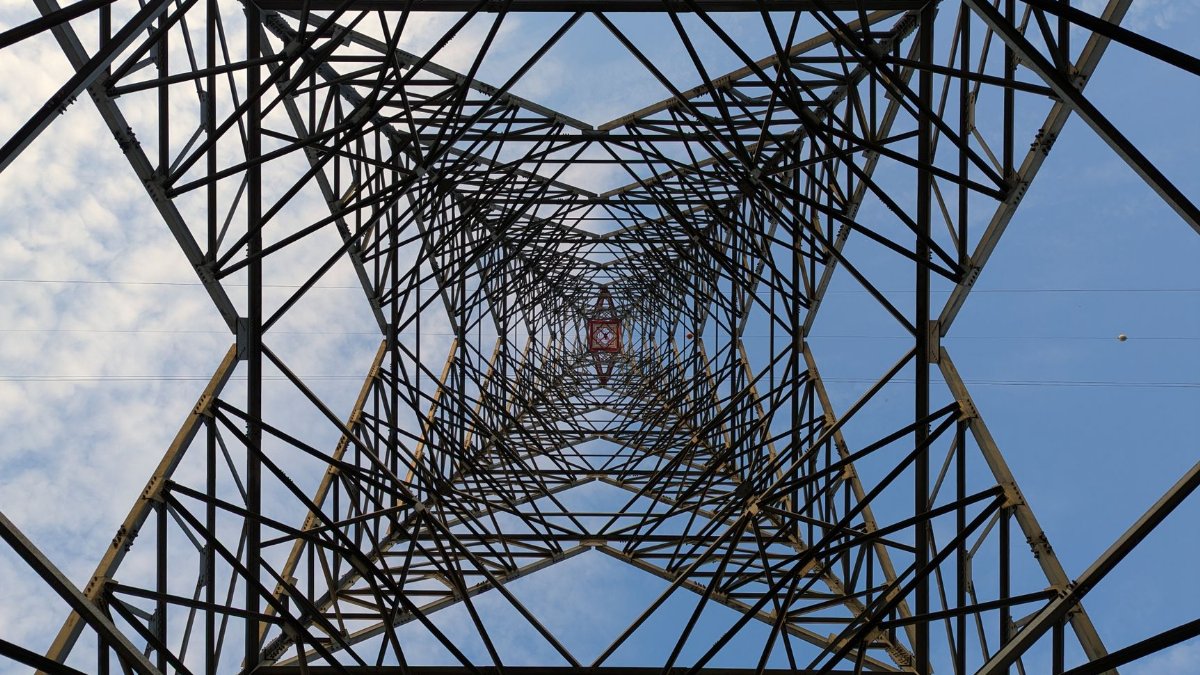
Higher voltage transmission allows more power to travel longer distances with fewer losses compared to traditional lines. Engineers note that moving to this level reduces the number of towers needed per mile of right of way which in turn limits land disturbance. Communities along the selected paths will see structures that stand taller yet occupy less overall space than previous designs.
Route Selection Process

State officials weighed dozens of possible corridors before settling on paths that balance cost environmental impact and landowner concerns. Public hearings drew input from ranchers local governments and energy companies all seeking to protect their interests while supporting broader reliability goals. The chosen alignments avoid sensitive habitats where possible and follow existing pipeline corridors in several stretches.
Role of the Permian Basin
The oil rich Permian Basin stands to benefit directly from improved power delivery. Drilling operations and processing facilities require steady electricity that older lines sometimes struggle to supply during peak summer heat. New capacity will support expanded production without forcing operators to rely on temporary generators that add cost and emissions.
Regulatory Framework at Work
The Public Utility Commission reviewed extensive filings from Oncor before granting final approval in late August. Staff examined engineering studies economic projections and feedback from affected parties to ensure the project serves the public interest. Such oversight aims to prevent unnecessary rate increases while still enabling needed infrastructure growth.
Impact on Local Landowners

Property owners whose land falls along the routes will receive compensation based on current market values and any measurable effects on operations. Some have expressed relief that the lines follow established corridors rather than cutting across prime grazing areas. Others continue to voice worries about long term maintenance access and potential declines in scenic views that could affect future property sales.
Broader Grid Reliability Benefits
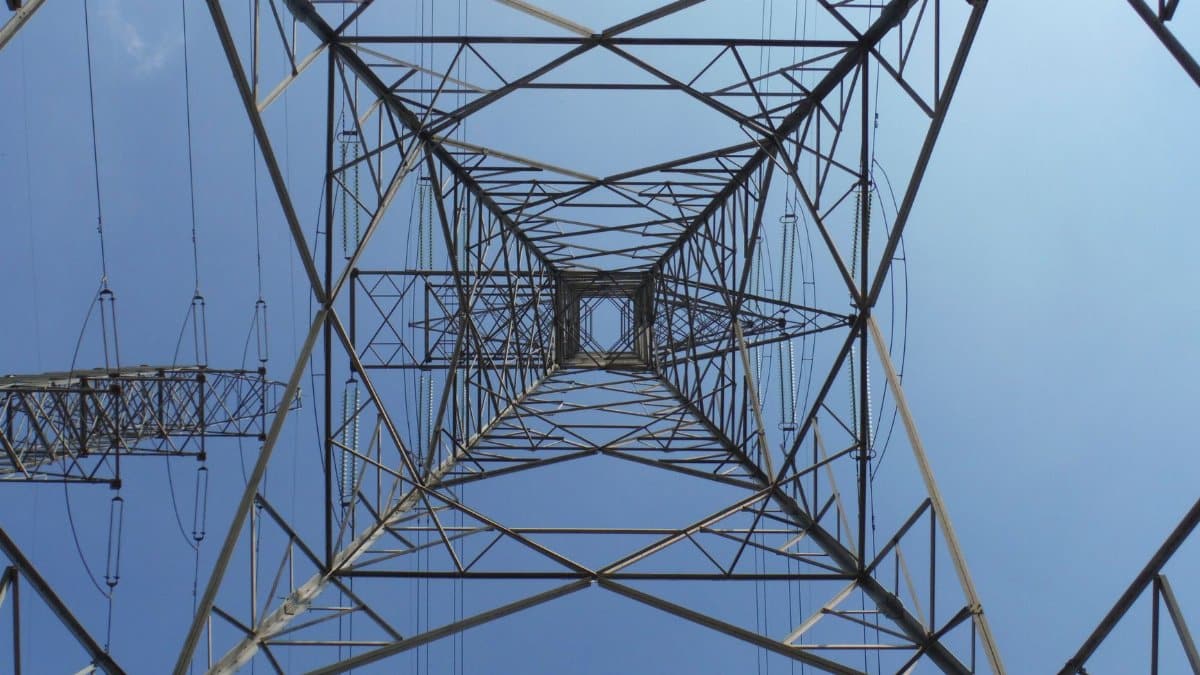
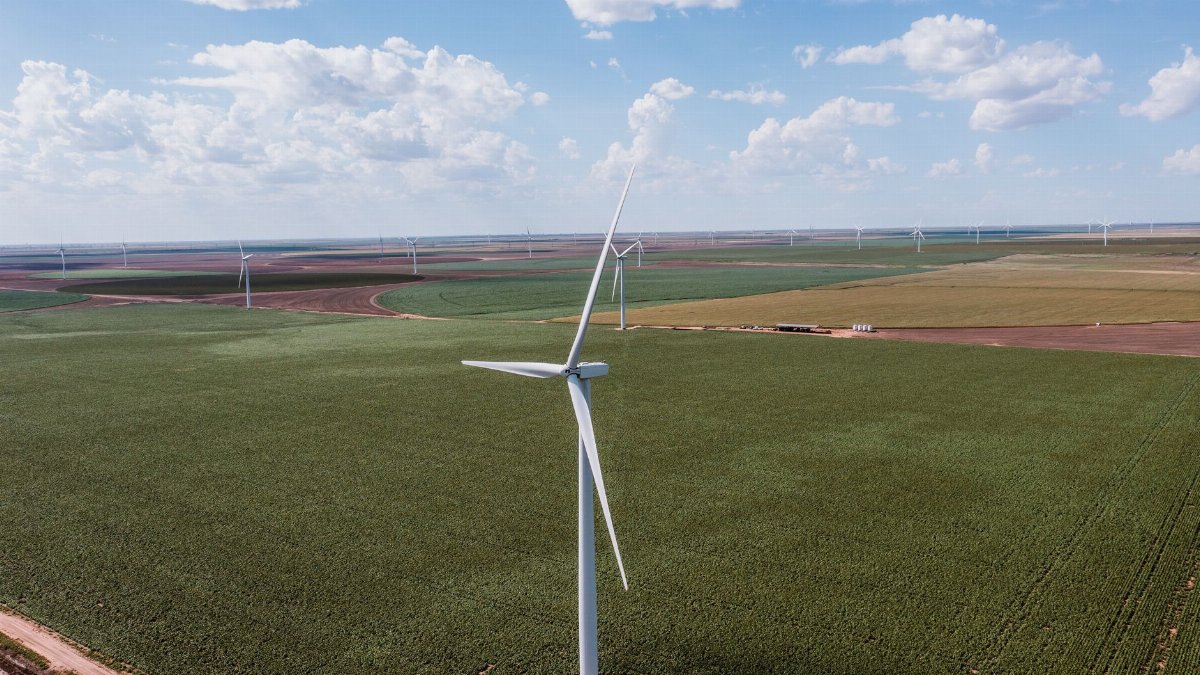
Adding these high capacity connections strengthens the overall network against extreme weather events that have tested Texas in recent years. Redundant pathways mean fewer widespread outages when one segment faces trouble from storms or equipment failure. Planners say the system will integrate more easily with renewable sources planned for the same region.
Construction Timeline and Workforce
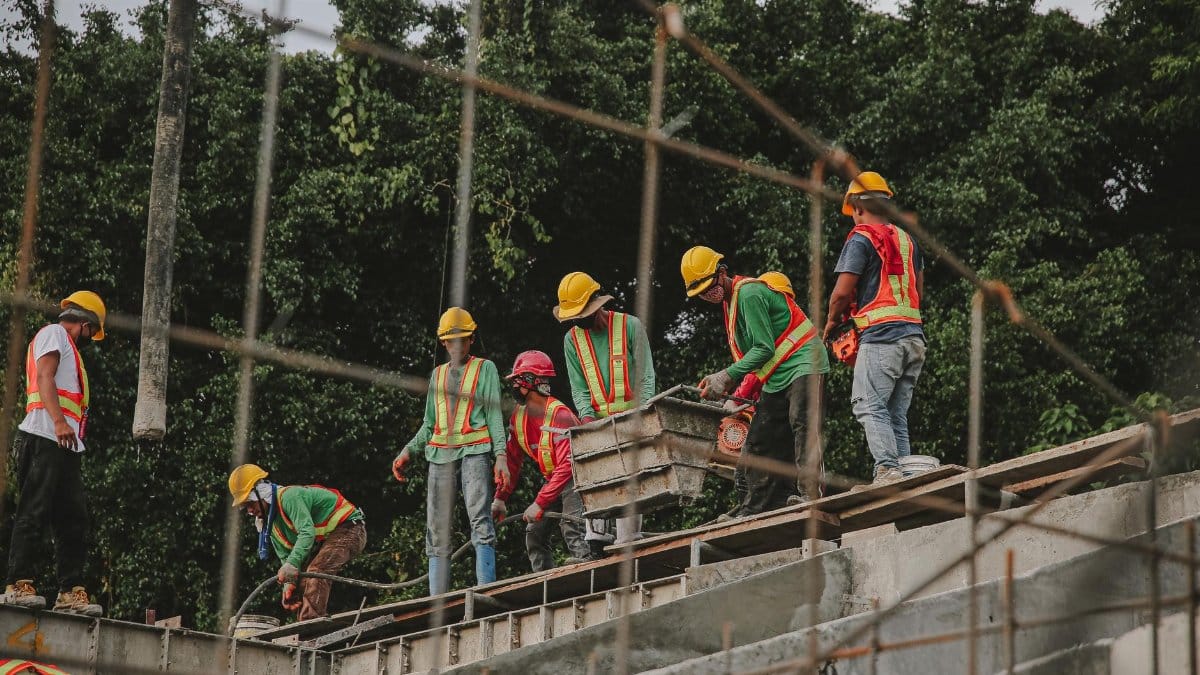
Work on the first segments is expected to begin within eighteen months once final engineering details receive sign off. Crews will include experienced linemen and civil contractors drawn from across the state creating hundreds of temporary jobs during peak building phases. Supply chains for specialized conductors and insulators will draw from both domestic and international manufacturers.
Environmental Considerations

Project designers incorporated measures to reduce effects on wildlife migration patterns and water resources. Elevated structures will allow continued use of land beneath them for agriculture in most cases. Ongoing monitoring programs will track bird populations near the lines to identify any unexpected interactions early.
Future Expansion Possibilities

Once operational the new lines could serve as the backbone for additional connections linking Texas with neighboring states. Such ties would open markets for surplus power generated during off peak hours and provide import options during emergencies. Discussions about extending similar voltage levels to other parts of the state have already surfaced in planning meetings.
Cost Recovery and Ratepayer Effects

Oncor will spread the expense of building the lines across its customer base over several decades. Regulators have capped certain overhead items to keep total increases modest relative to the scale of the investment. Bills for typical residential users are projected to rise only a few dollars per month once the project enters service.
Technological Advances in Transmission

Modern conductors used in this project carry current more efficiently than those installed decades ago. Sensors embedded along the routes will feed real time data to control centers allowing faster response to any fluctuations. These features represent incremental progress toward a smarter grid that can adapt to changing conditions without manual intervention.
Public Engagement Outcomes

Extensive outreach helped refine the final routes and address many concerns before construction begins. Open houses and online portals gave residents opportunities to review maps and submit comments that influenced small adjustments. Officials credit this dialogue with producing a plan that enjoys wider acceptance than earlier proposals.
Looking Ahead for Texas Energy
The arrival of Texas 765-kV lines signals a willingness to invest in infrastructure that will serve the state for generations. As population and industry expand the grid must evolve in tandem to avoid bottlenecks that could slow economic progress. This project offers one concrete example of how regulators and utilities are responding to those pressures.