
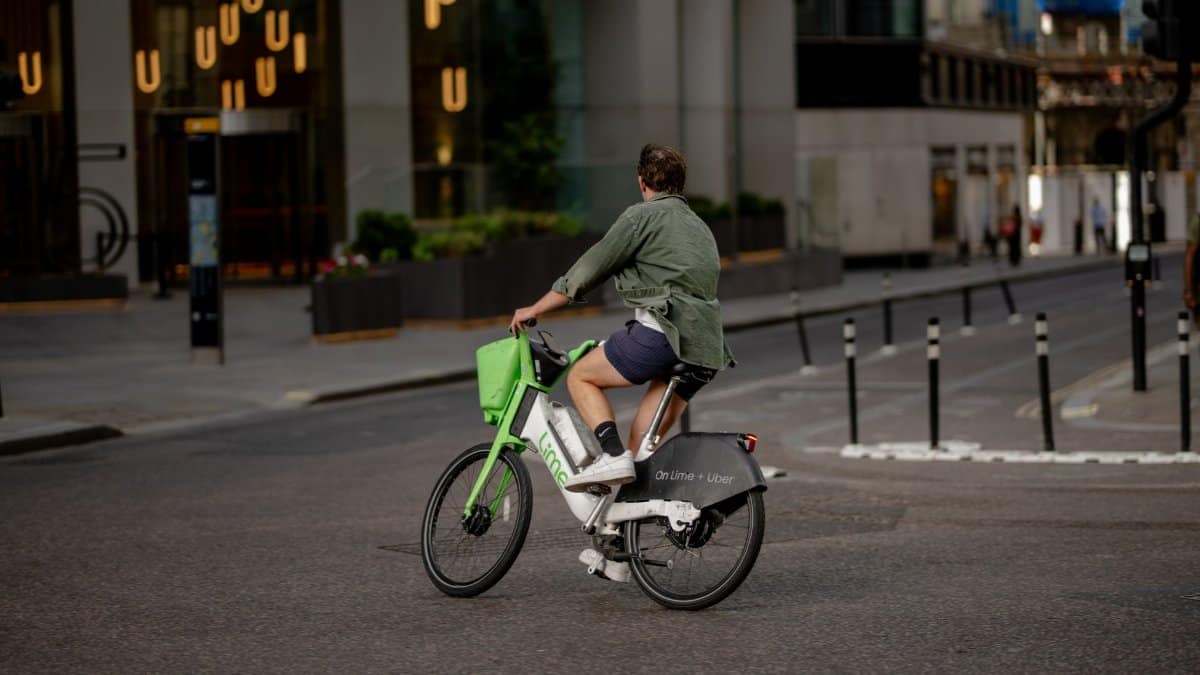
In recent months emergency rooms throughout the region have treated a growing number of patients hurt in collisions involving electric bicycles. Local leaders have responded with a patchwork of new ordinances that vary sharply from one city to the next, leaving riders and drivers alike uncertain about what is allowed on public roads. The surge has placed fresh attention on South Florida e-bikes and the ways communities balance safety with the growing appeal of these vehicles.
Hospitals Record Sharp Rise in Injury Counts

Trauma centers report that the number of bicycle related admissions has climbed steadily since the start of the year. Many of the cases involve fractures, head injuries, and internal damage that require extended care. Staff members note that the speed of electric models often exceeds what riders anticipate, turning minor errors into serious events. Data shared by several facilities shows the increase cuts across age groups, though older adults appear more frequently in the records.
Local Rules Differ from One City to the Next

Sunny Isles Beach has introduced speed limits and registration requirements while Aventura has focused on sidewalk restrictions. Miami Beach has taken a different path by emphasizing education campaigns rather than new fines. These varying approaches create confusion for residents who travel across municipal lines each day. Officials in each place defend their choices by pointing to local traffic patterns and resident complaints.
Police Departments Adjust Enforcement Practices

Officers now receive updated training on how to identify violations involving electric bicycles. Some departments have added dedicated patrols during peak commuting hours. Tickets issued so far have targeted excessive speed and failure to yield, yet the total remains modest compared with the volume of riders on the streets. Commanders say consistent enforcement will take time as the rules settle into place.
Advocates Call for Unified Regional Standards

Groups that promote bicycle use argue that conflicting ordinances make compliance difficult and may discourage responsible riders. They have urged county leaders to develop a single set of guidelines that all cities could adopt. Proponents of this idea point to successful models in other metropolitan areas where uniform rules reduced confusion and improved safety outcomes.
Parents Express Concern Over School Routes

Families living near popular corridors report that children encounter fast moving electric bicycles on paths once considered safe for walking or traditional cycling. Some schools have sent letters home reminding students of basic traffic rules. Parents have organized meetings with city commissioners to request additional signage and crossing guards at key intersections.
Insurance Companies Review Policy Coverage

Providers have begun to examine whether current liability policies adequately address accidents that involve electric bicycles. Early indications suggest that some standard homeowner and auto policies may leave gaps when riders exceed certain speed thresholds. Agents advise customers to review their coverage and ask specific questions about electric bicycle use before an incident occurs.
City Planners Consider Infrastructure Upgrades

Engineers are studying the possibility of wider bike lanes and dedicated signals that could separate faster electric traffic from pedestrians and slower cyclists. Funding for such projects remains uncertain, yet several municipalities have placed the ideas on long term capital lists. Early pilot segments in one neighborhood showed reduced conflicts after installation.
Riders Adapt to New Expectations

Many daily commuters have started to adjust their habits by wearing helmets more consistently and lowering speeds in crowded areas. Online forums show active discussions about which models meet the latest local limits. A number of riders have formed informal groups to share information about enforcement patterns across different cities.
Businesses Note Shifts in Customer Travel

Retailers and restaurants near beachfront paths report that some patrons now arrive by electric bicycle rather than car, easing parking pressure during busy periods. Owners say the change brings both benefits and occasional complaints about bicycles left in walkways. A few establishments have added racks to accommodate the growing number of visitors who choose this mode of travel.
Future Outlook Depends on Coordinated Action

Observers expect the coming year to bring further adjustments as data accumulates and public feedback continues. The experience of South Florida e-bikes may serve as a test case for other regions facing similar growth in electric bicycle use. Clear communication between cities, riders, and safety officials will determine whether injury trends level off or continue upward.