
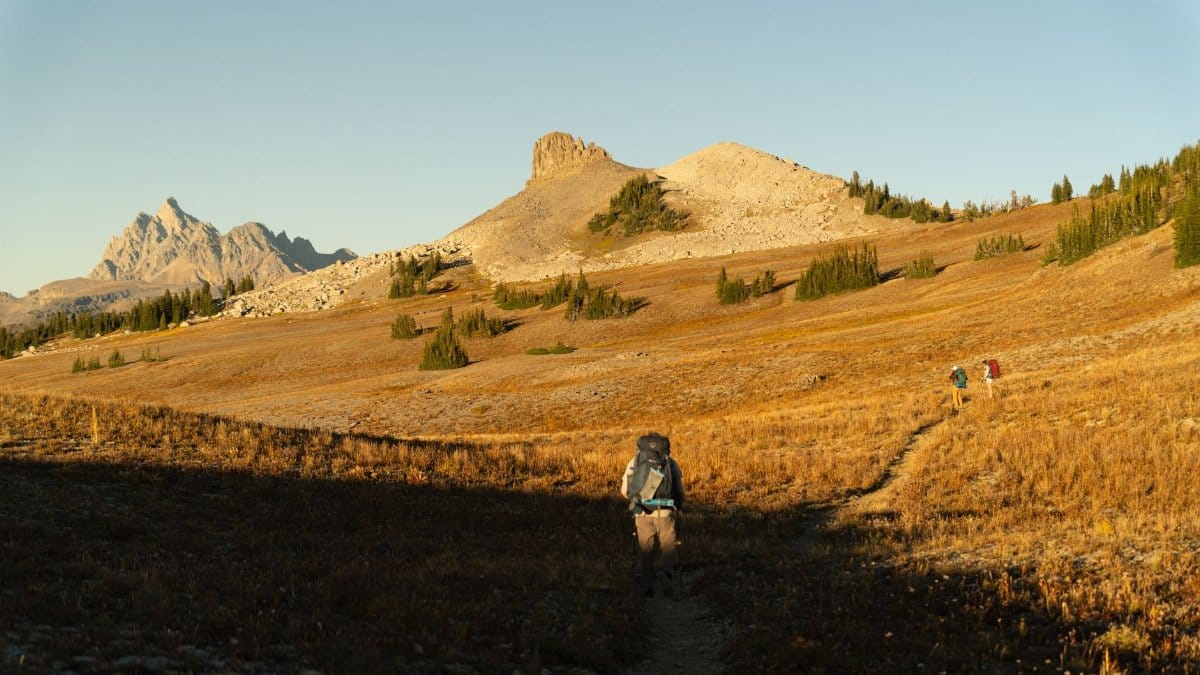
In the remote stretches of the American West a solitary figure pushed human endurance to new limits on one of the continents longest footpaths. Nick Fowler an Oklahoma resident covered every mile of the route from Mexico northward to Canada without any assistance from others. His time of forty five days seventeen hours and forty seven minutes now stands as the Pacific Crest Trail record for a solo journey and it has sparked fresh conversations about what dedicated individuals can achieve when they step away from daily routines.
Background of the Oklahoma Adventurer
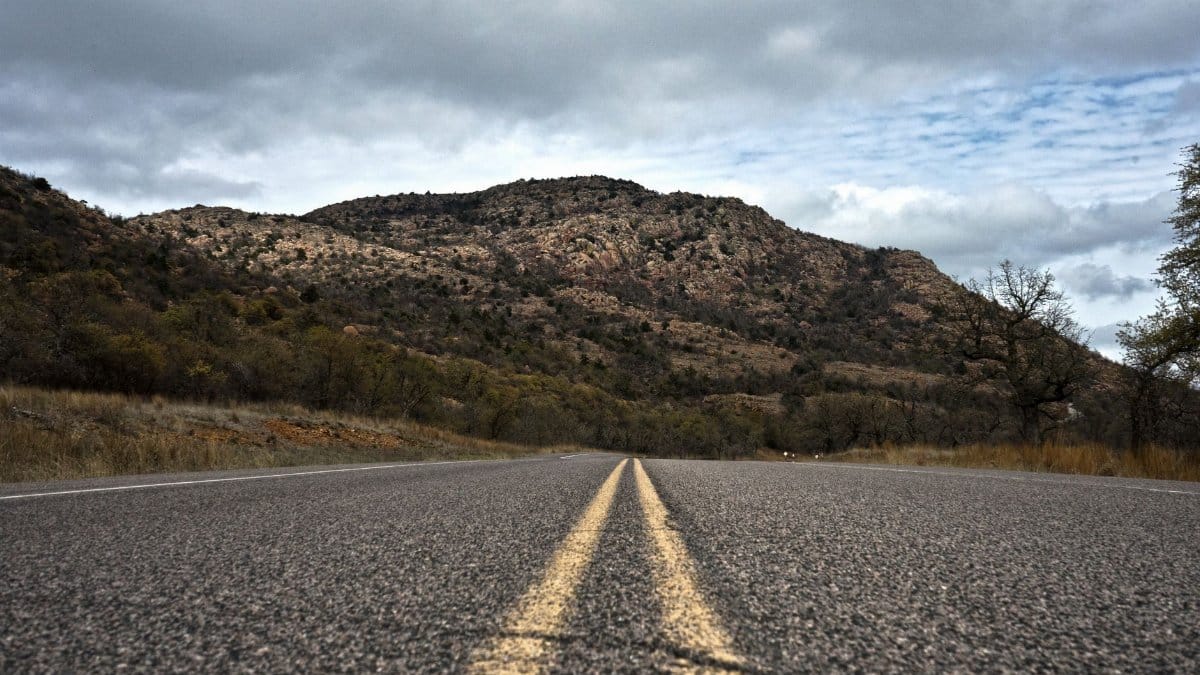
Fowler grew up in a state known for open plains rather than towering mountains yet he developed a deep interest in long trails during his younger years. He trained by covering extensive distances on foot each week building strength and mental resilience through consistent effort. Friends describe him as someone who prefers quiet reflection over crowded events which suited the demands of moving through wilderness areas for weeks on end.
Details of the Route and Conditions
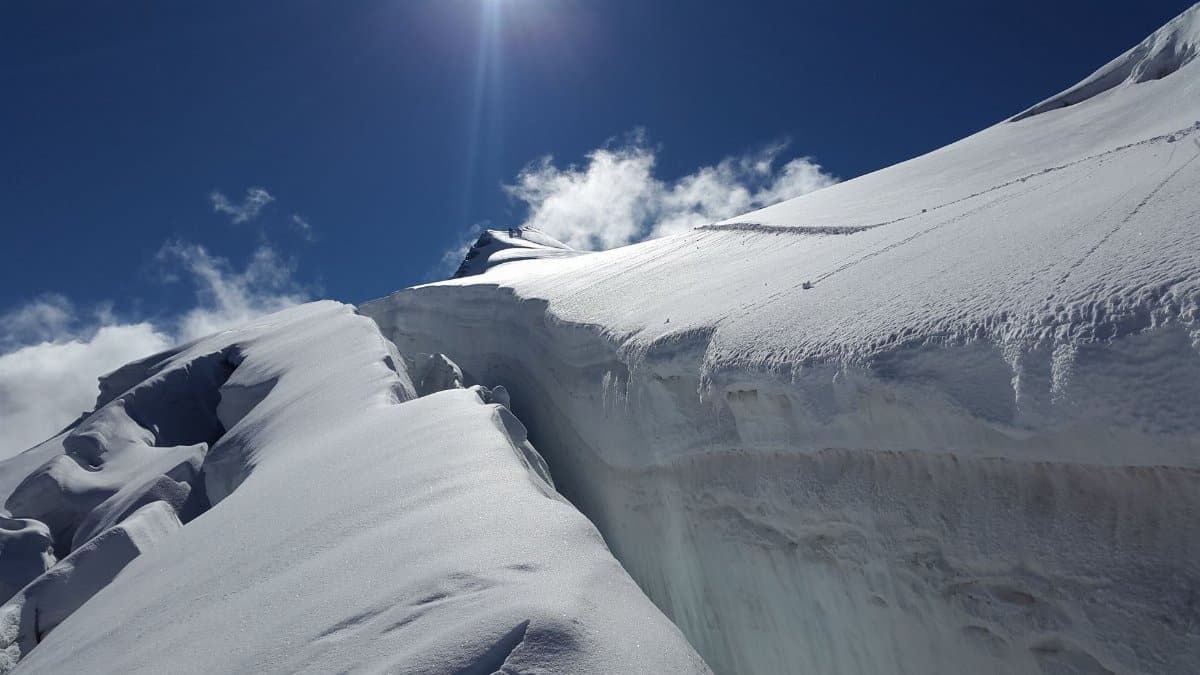
The path spans roughly two thousand six hundred fifty miles and passes through varied terrain including deserts forests and high peaks. Fowler faced extreme heat in southern sections followed by snow and cold weather farther north. Weather reports from the period show several storms that forced adjustments yet he maintained a steady pace without external support for supplies or navigation.
Physical Demands of Such an Effort
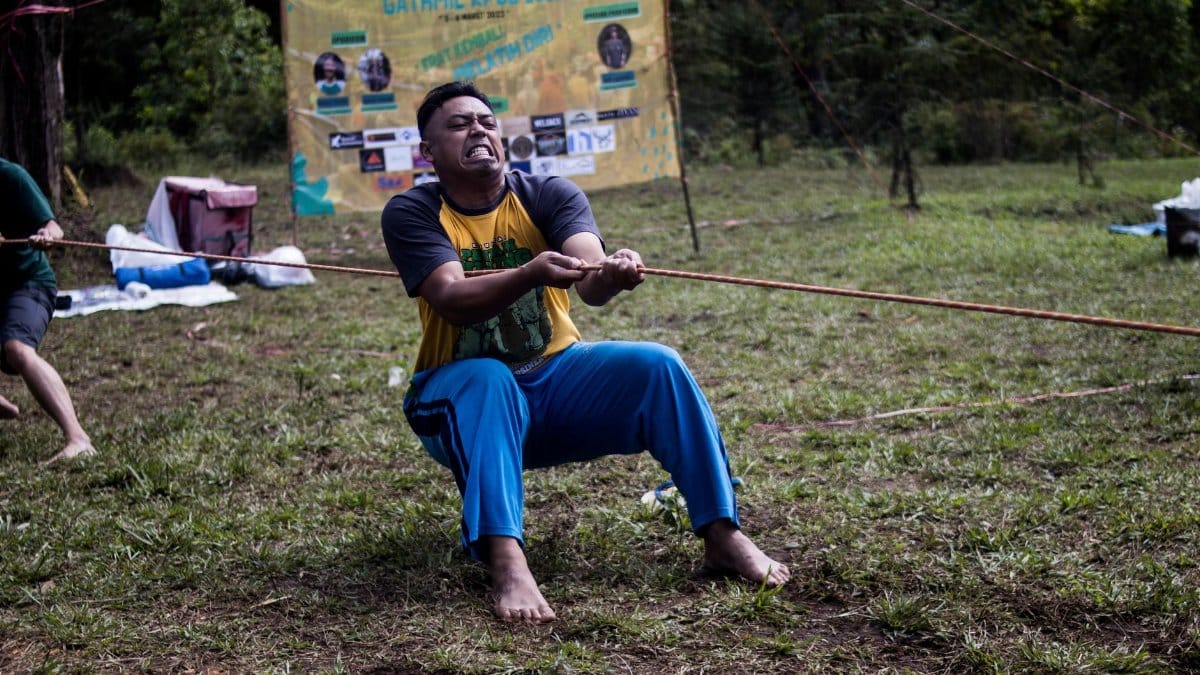
Daily travel often exceeded fifty miles requiring careful management of energy food and rest. The body must adapt to constant motion on uneven ground which can lead to fatigue in muscles and joints. Fowler focused on simple nutrition like nuts grains and dried fruits carried in a lightweight pack to minimize weight while maximizing calories.
Mental Aspects of Solo Travel
Being alone for over a month brings unique psychological tests including moments of doubt and isolation. Many who attempt similar journeys speak of finding clarity through the rhythm of steps and the surrounding natural world. Fowler later noted that the silence allowed him to process thoughts in ways not possible amid normal responsibilities.
Comparison to Previous Attempts
Earlier solo efforts on the same trail took significantly longer often stretching into two or three months. Supported teams with vehicle access for resupply have set faster marks in the past but Fowlers unsupported approach stands apart because he carried everything needed from start to finish. This distinction highlights a purer test of individual capacity.
Reactions from the Outdoor Community
Fellow hikers and trail organizations have expressed admiration for the accomplishment viewing it as an inspiration for those considering their own adventures. Online forums and local groups in California and Washington discussed the news extensively in the days after completion. Some see it as proof that age or background need not limit ambitious goals in nature.
Potential Spiritual Dimensions

Long periods in remote settings often foster a sense of connection to something larger than personal concerns. For Fowler the journey appeared to blend physical challenge with opportunities for inner growth through exposure to changing landscapes and weather patterns. Such experiences align with traditions of pilgrimage that emphasize transformation over mere distance covered.
Future Implications for Trail Records
This achievement may encourage others to explore similar feats while emphasizing preparation and respect for the environment. Organizers of trail associations stress safety and conservation even as times improve. The Pacific Crest Trail record now invites renewed interest in how people interact with these protected corridors.