
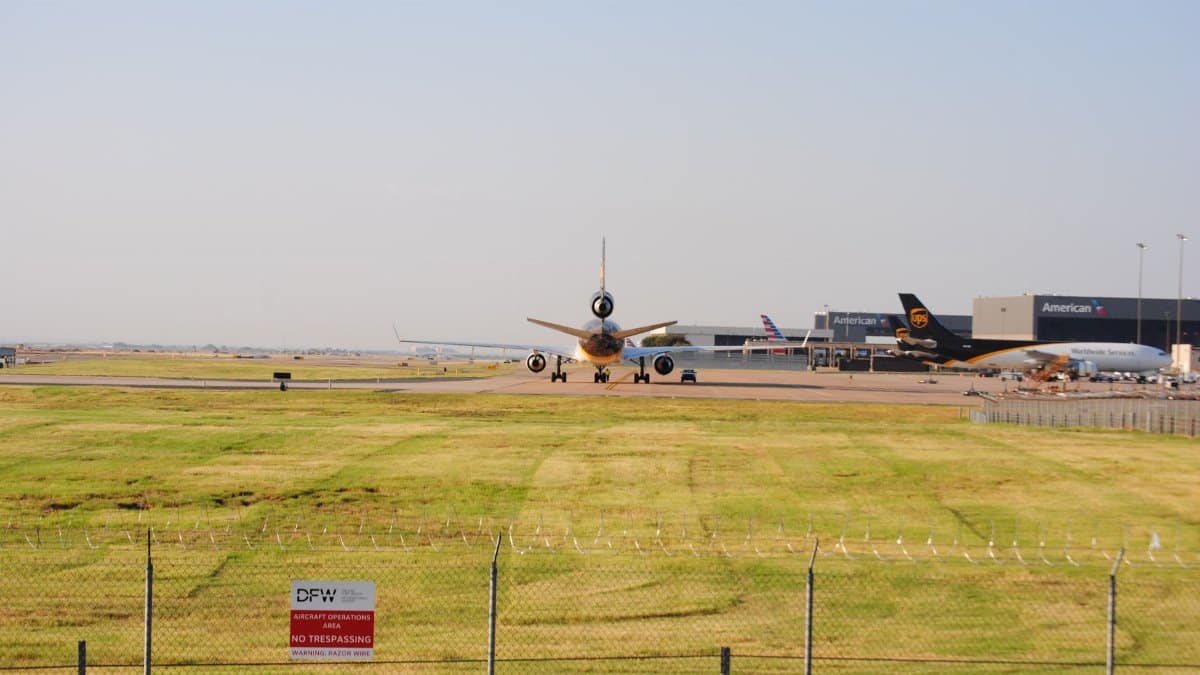
In recent days the Dallas Fort Worth area experienced an unprecedented surge in temperatures that shattered previous benchmarks at local airports. Observers noted how the mercury climbed steadily through the afternoon before peaking in a way that caught many residents off guard during routine activities. The DFW record heat emerged as a focal point for discussions about shifting weather patterns and their effects on everyday routines across north Texas. Families adjusted outdoor plans while businesses reviewed cooling strategies to keep operations steady. This event stood out because it exceeded marks set decades earlier and prompted renewed attention to preparation methods for similar conditions ahead.
Background on Regional Temperature Patterns

Temperature readings in the Dallas Fort Worth region have shown gradual upward trends over several decades according to data from weather stations. Longterm records indicate that summer months often bring elevated readings yet the latest spike exceeded expectations based on averages from the mid twentieth century onward. Residents who have lived in the area for generations recall earlier periods when such extremes occurred less frequently allowing for more predictable seasonal activities like gardening or evening walks.
Daily Life Adjustments During Peak Warmth

People modified their schedules to avoid the hottest portions of the day by shifting errands to early mornings or later evenings. Public spaces such as parks saw reduced crowds while indoor venues including libraries and shopping centers reported higher attendance as individuals sought relief. Schools and workplaces emphasized hydration reminders and rest breaks to maintain productivity without undue strain on staff members.
Effects on Local Infrastructure and Services
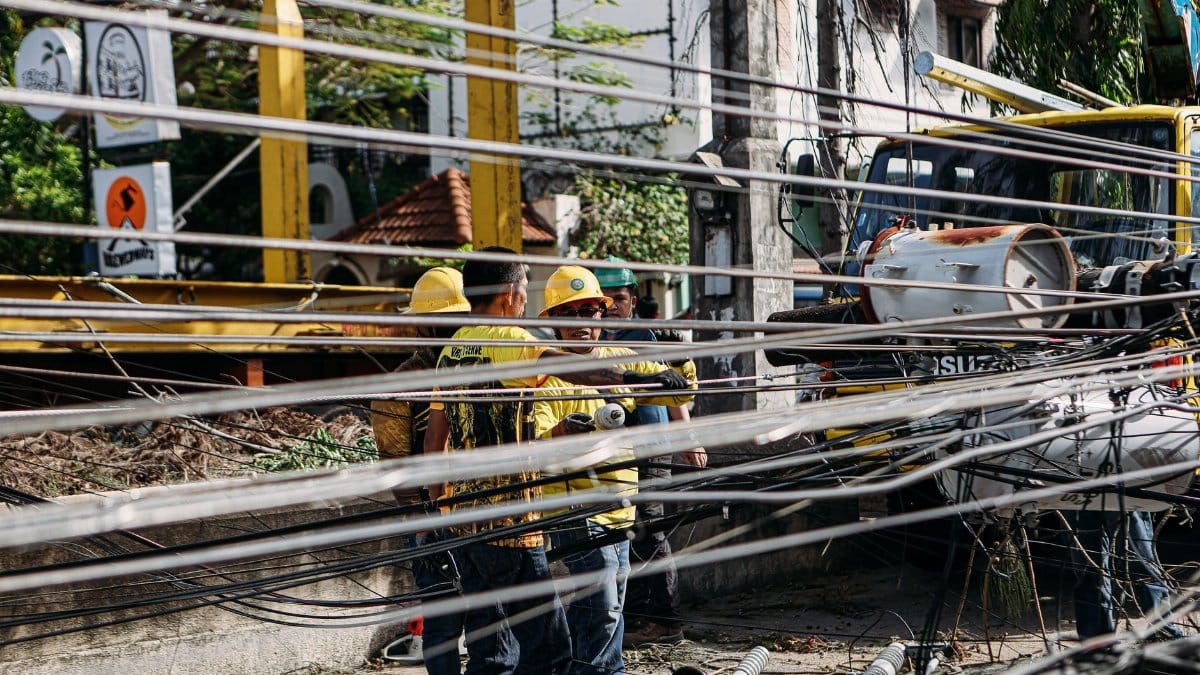
Utility providers monitored demand closely as air conditioning units operated at full capacity throughout the afternoon hours. Road crews inspected pavement for signs of expansion due to prolonged exposure while transit systems added extra water stations at major stops. Emergency services prepared for potential calls related to heat exposure though widespread issues remained limited thanks to prior planning efforts.
Health Considerations for Vulnerable Groups

Medical professionals advised extra caution for older adults and those with preexisting conditions emphasizing shaded rest areas and frequent fluid intake. Community centers opened additional cooling rooms stocked with basic supplies to support anyone needing temporary shelter from the conditions outside. Awareness campaigns through local media highlighted symptoms to watch for and steps to take if discomfort arose during routine tasks.
Economic Ramifications Across Sectors
Retail outlets selling cooling products experienced a noticeable uptick in sales while agricultural operations evaluated impacts on crops and livestock management. Construction projects paused during peak periods to protect workers leading to adjusted timelines for completion. Tourism related businesses promoted indoor attractions to maintain visitor interest despite the outdoor challenges.
Reflections on Environmental Shifts

Discussions among scientists and community leaders touched on broader patterns that may contribute to more frequent intense periods like this one. Observations from monitoring networks suggest connections to larger atmospheric changes though precise causes involve multiple factors studied over extended periods. Such events encourage ongoing evaluation of adaptation strategies suited to the local environment.
Community Responses and Support Networks
Volunteer groups distributed supplies to neighborhoods identified as higher risk while faith based organizations hosted gatherings focused on mutual aid and shared experiences. These initiatives highlighted the role of collective action in addressing challenges posed by unusual weather without relying solely on official channels.
Looking Ahead to Future Seasons

Planners reviewed historical data alongside recent readings to refine guidelines for upcoming months. Investments in resilient building materials and expanded green spaces appeared in proposals aimed at mitigating similar conditions. Public forums allowed residents to voice concerns and suggest practical measures that could enhance overall preparedness across the region.