
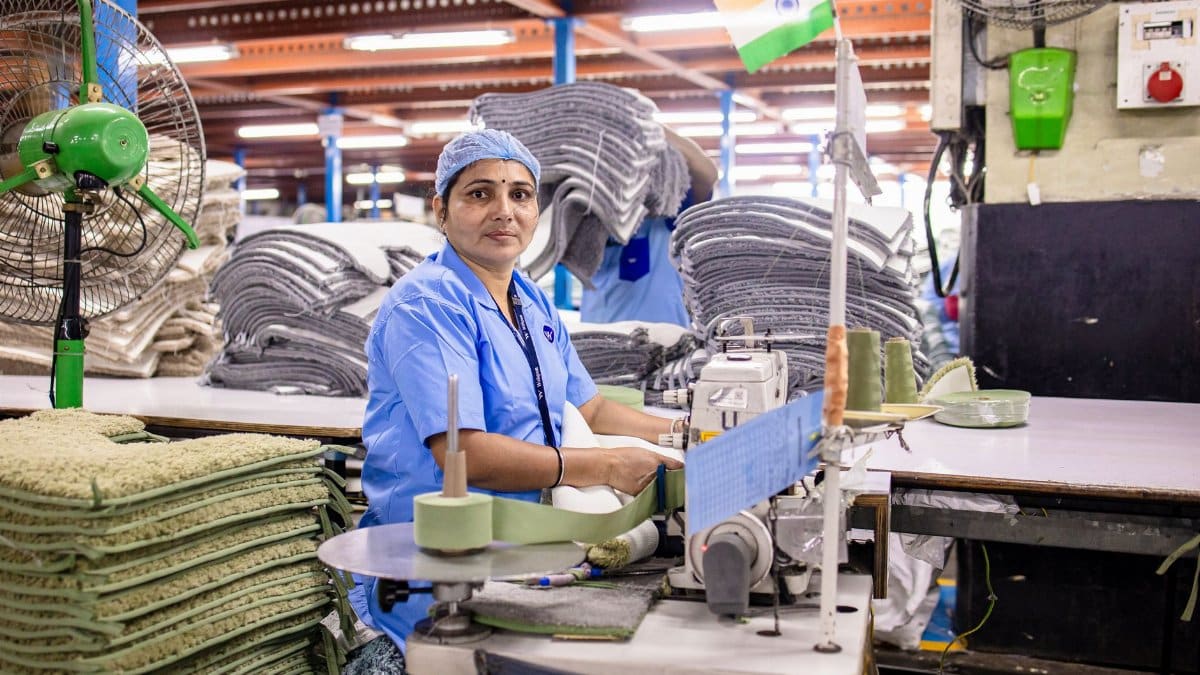
For skilled workers from India seeking permanent residency the journey often feels like an endless horizon with timelines stretching far beyond a single lifetime. A recent examination of federal data reveals that the green card backlog has swelled beyond one point two million cases leaving many applicants in prolonged uncertainty. This situation arises from annual caps on visas combined with per country limits that hit certain nationalities hardest. The result is a system where professional contributions continue for decades while legal status remains unresolved creating ripple effects across families and industries alike.
The Expanding Volume of Pending Applications

Official records show the employment based green card backlog now exceeds one point two million individuals with processing times extending into multiple decades for some categories. This accumulation stems from fixed annual quotas that have not kept pace with demand from the technology and healthcare sectors. Applicants submit petitions only to join queues that grow longer each year as new filings arrive steadily. The pressure on agencies handling these matters has intensified leading to further slowdowns in adjudication.
Particular Challenges for Indian Professionals

Those born in India encounter the most extended delays due to numerical limits applied per country of origin. In the EB 2 category projections indicate waits reaching one hundred seventy nine years under current rules which effectively bars many from ever obtaining status. Professionals in software engineering and scientific research find themselves renewing temporary work authorizations repeatedly while advancing their careers in the United States.
Economic Stakes for American Companies

Businesses reliant on global talent face retention difficulties when employees cannot secure permanent residency. Turnover rises as individuals explore opportunities elsewhere or return to their home countries after years of contribution. Innovation hubs in California and other states report lost productivity from the uncertainty surrounding long term staffing. The green card backlog thus translates into measurable drags on growth in competitive fields.
Historical Development of Visa Restrictions

Congress established per country caps decades ago to promote diversity in immigration yet these provisions now create imbalances amid shifting global migration patterns. Early legislation aimed to prevent dominance by any single nation but rapid economic expansion in Asia has outstripped the original framework. Adjustments have proven politically difficult leaving the structure intact despite evident strains.
Effects on Households and Communities
Spouses and children of principal applicants often hold derivative status that expires or requires repeated extensions adding administrative burdens. Education plans for younger family members become complicated by questions over future residency. Communities with high concentrations of such families experience secondary effects in local schools and housing markets as temporary arrangements persist across generations.
International Approaches to Skilled Migration
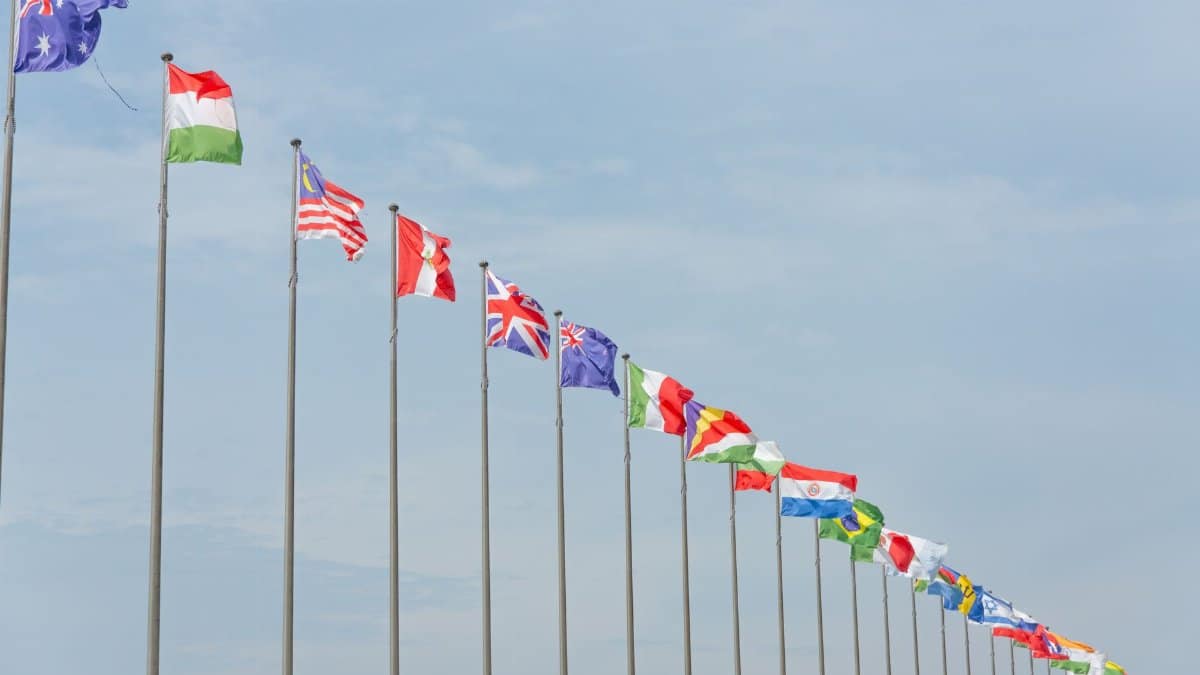
Other developed nations have adopted points based systems or expanded quotas to attract talent more fluidly without the same degree of accumulation. Canada and Australia for instance prioritize economic contributions through faster pathways that avoid the multi decade backlogs seen here. These models offer potential lessons though adoption would require substantial legislative shifts.
Prospects for Legislative Adjustments
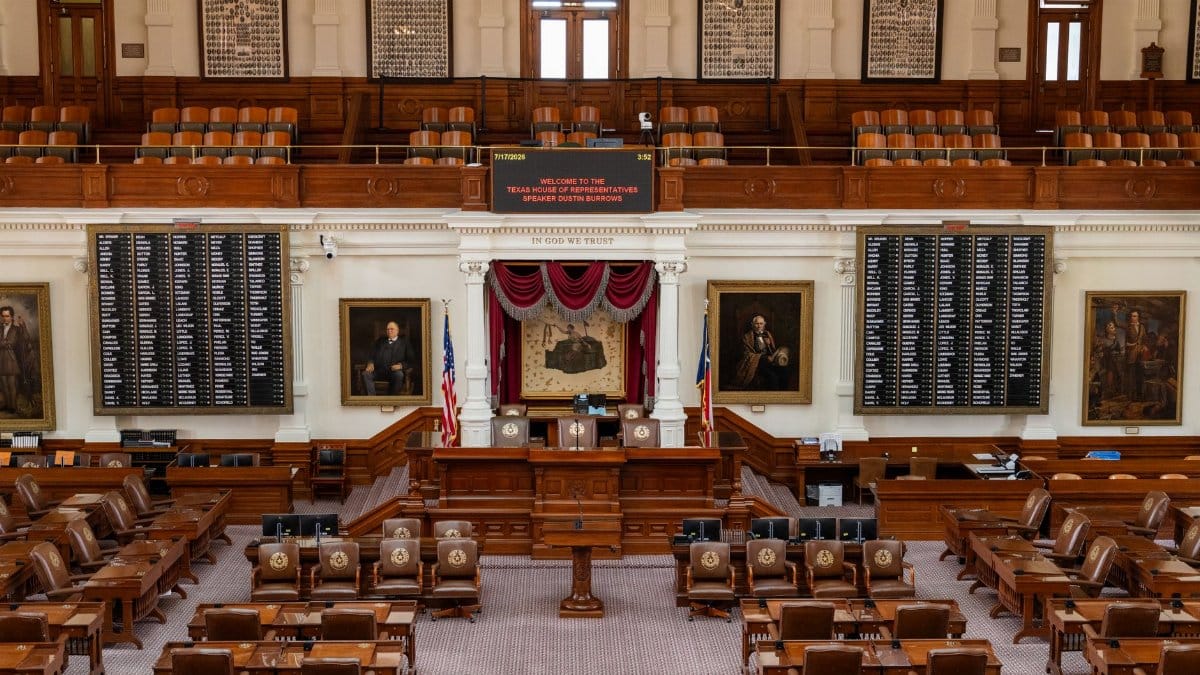
Recent proposals in Congress have sought to raise overall caps or ease per country restrictions yet progress remains slow amid competing priorities. Advocates argue that modernizing the process would align immigration policy with labor market realities. Without changes the green card backlog is projected to continue expanding placing further strain on the existing infrastructure.
Consequences for Technological Advancement

Research institutions and startups depend on diverse expertise that the current delays hinder from fully integrating. Patents and projects move forward but the human element behind them operates under constant visa related stress. Sustained contributions from affected workers benefit the broader economy even as their personal trajectories remain suspended in procedural limbo.