

In the crowded lanes stretching from Dallas outward, drivers face daily delays that test patience and fuel budgets alike. Recent commitments totaling 11.2 million dollars aim to ease these burdens by upgrading outdated systems across several communities. This push highlights North Texas traffic tech as a practical response to growing population pressures and aging infrastructure that no longer meets modern demands.
Investment Breakdown by City

Frisco leads with targeted upgrades at key intersections while Arlington focuses on corridor wide improvements along major routes. Allen receives support for sensor installations that adjust timing based on real time flow. These allocations reflect a coordinated effort among local officials to address specific pain points without overhauling entire networks at once.
Technology Behind the Upgrades

Adaptive signals form the core of the initiative allowing lights to respond dynamically to vehicle volumes rather than fixed schedules. Cameras and radar units feed data into central software that predicts congestion patterns hours ahead. Such tools represent an evolution from static controls to responsive networks capable of reducing idle times at stops.
Impact on Daily Commutes
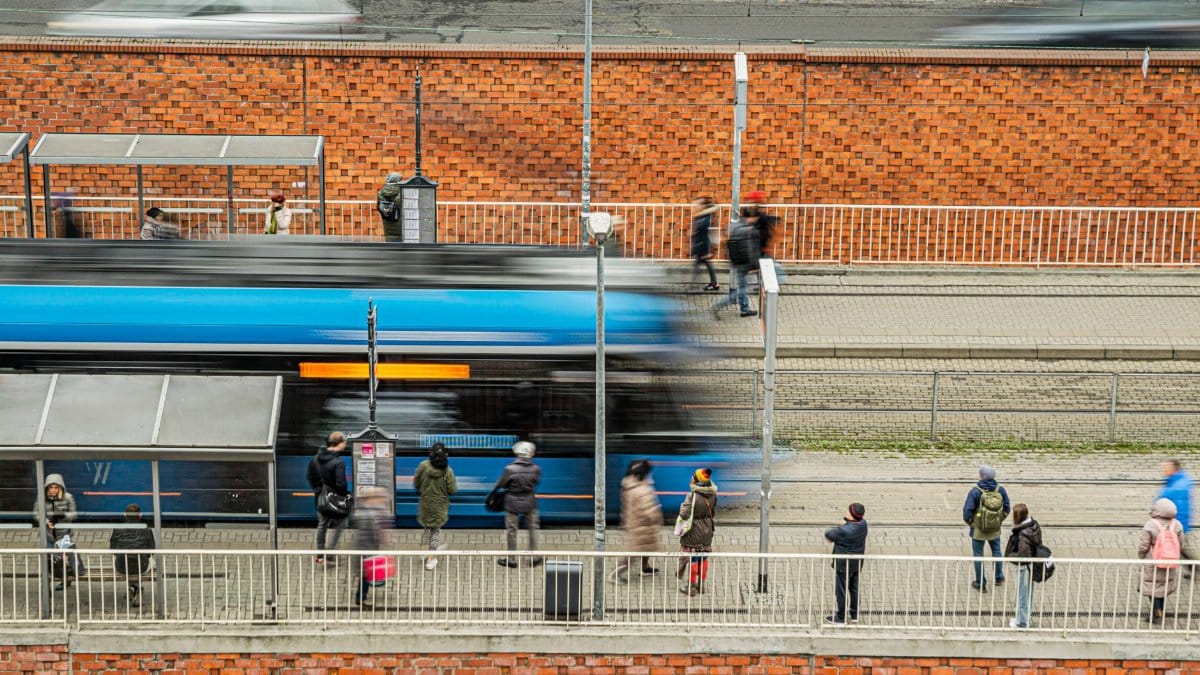
Residents in northern suburbs report shorter waits during peak hours after initial pilot programs. Data from similar deployments elsewhere suggest potential cuts in travel duration by up to fifteen percent on equipped roads. The changes also lower emissions from idling engines contributing to cleaner air in dense urban pockets.
Challenges in Implementation

Integration with existing city databases requires careful calibration to avoid glitches during transition periods. Budget constraints mean phased rollouts rather than simultaneous activation across all sites. Officials emphasize ongoing training for maintenance crews to sustain performance levels long term.
Public Response and Feedback

Community meetings reveal cautious optimism mixed with questions about construction disruptions. Some drivers express hope that reliable timing will encourage more use of public transit connections. Surveys indicate broad support when benefits become visible through measurable reductions in frustration levels.
Broader Regional Context

North Texas traffic tech aligns with statewide goals for smarter mobility amid rapid suburban expansion. Partnerships with private firms bring expertise in data analytics that local governments might otherwise lack. This collaboration model could serve as a template for other growing metros facing similar gridlock issues.
Future Expansion Possibilities

Planners envision linking these systems with navigation apps to guide motorists toward less crowded paths. Electric vehicle charging coordination might emerge as an added feature once core signal networks stabilize. Continued funding rounds could extend coverage to secondary roads now overlooked in current plans.
Environmental Considerations

Reduced stop and go patterns translate directly into lower fuel consumption across the board. Air quality monitors positioned near upgraded sites track improvements over successive months. Officials note that such gains support larger climate objectives without requiring drastic shifts in personal driving habits.
Economic Ripple Effects

Local businesses anticipate steadier customer arrivals as delivery schedules become more predictable. Construction contracts stimulate job creation in technical fields tied to system maintenance. Property values near improved corridors may see modest lifts due to enhanced accessibility.
Lessons from Other Regions

Cities like Austin have documented success with comparable signal networks prompting faster adoption here. Shared best practices help avoid common pitfalls such as overreliance on untested algorithms. North Texas traffic tech thus benefits from prior experimentation while tailoring solutions to local geography and traffic volumes.