
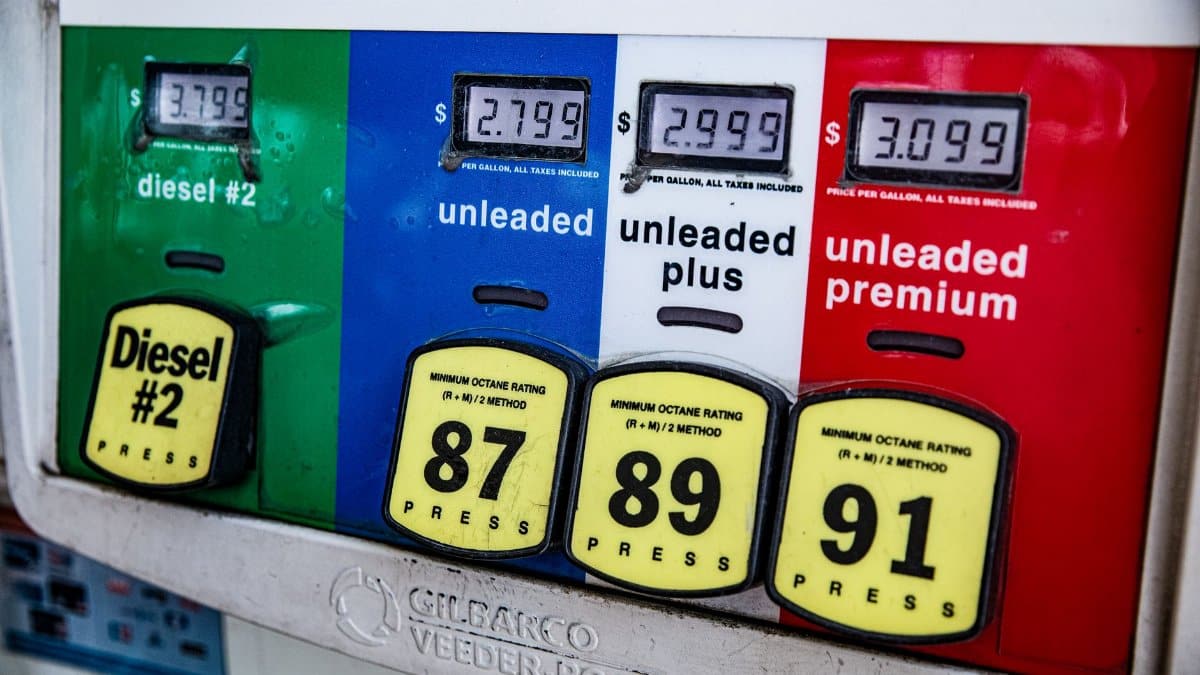
South Florida gas prices have held steady in recent weeks even as national averages fluctuate with global supply shifts and seasonal demand. Drivers in Miami Dade and Broward counties continue to fill tanks at levels close to those seen last month according to tracking services that monitor station data in real time. The pattern stands out because many residents expected sharper swings after earlier reports of refinery adjustments along the Gulf Coast. Local commuters who rely on daily travel for work and family commitments now watch the numbers with quiet attention rather than alarm.
Current Regional Averages in Detail

Data from multiple outlets shows that average pump costs in the broader Miami area sit near three dollars and forty cents per gallon. This figure reflects a blend of regular unleaded readings collected from hundreds of stations over the past seven days. Broward locations report similar marks while Palm Beach edges a few cents higher in some neighborhoods. The consistency comes from steady imports through local ports and limited disruptions at major distribution points.
Factors Holding Prices in Place

Supply chains feeding South Florida benefit from steady crude deliveries that offset earlier concerns over overseas tensions. Refineries in Texas and Louisiana maintain output levels that reach Florida terminals without major delays. Retailers pass along those costs in measured steps rather than sudden jumps. Weather patterns have also remained mild enough to avoid spikes tied to storm related shutdowns.
How National Trends Influence Local Markets

Broader United States figures serve as a reference point yet South Florida often moves on its own timeline due to its distance from major production hubs. When crude settles in global exchanges the effect here appears days later and in smaller increments. Analysts note that the region absorbs changes gradually because of its heavy reliance on tanker shipments rather than pipelines alone.
Station by Station Differences Worth Noting

Independent operators sometimes undercut chain stations by a few cents while locations near highways charge premiums for convenience. Travelers passing through Fort Lauderdale or West Palm Beach see this pattern at exits where competition thins out. Checking apps before filling remains a practical step for those who cover long distances each week.
Impact on Household Budgets

Middle income families describe modest adjustments in weekly spending rather than major cutbacks. Some shift errands to combine trips while others look for grocery stores that bundle fuel rewards. The steady nature of South Florida gas prices allows planning without the sharp revisions seen in past years of volatility.
Comparison With Neighboring States

Georgia stations just north of the state line often post lower marks because of different tax structures and closer access to certain refineries. Alabama and the Carolinas show their own patterns tied to local demand cycles. Florida drivers crossing borders for extended trips sometimes notice these gaps yet most continue to purchase fuel at home for routine needs.
Role of Taxes and Regulations

State and local fees form a fixed portion of the final price at the pump. These components change infrequently compared with crude oil movements. Recent legislative sessions have left fuel related levies largely untouched which contributes to the current plateau.
Looking Ahead to Seasonal Shifts

As summer approaches increased travel could place upward pressure if demand outpaces current supply margins. Hurricane season also brings its own uncertainties though forecasters have yet to signal early threats. Observers will watch inventory reports for clues on whether the present balance holds through the coming months.
Advice for Drivers Seeking Savings

Filling during midweek hours when station traffic dips can yield small discounts at some locations. Loyalty programs tied to grocery chains or credit cards add further reductions without requiring major changes in routine. Tracking a few favorite stations over time helps identify the most reliable low points in a given zip code.
Broader Economic Context

Stable South Florida gas prices support steady movement of goods through ports and distribution centers that serve the entire state. Delivery fleets and small businesses benefit from predictable costs that allow better forecasting of operating expenses. This steadiness in turn supports the wider regional economy that depends on affordable transportation.