
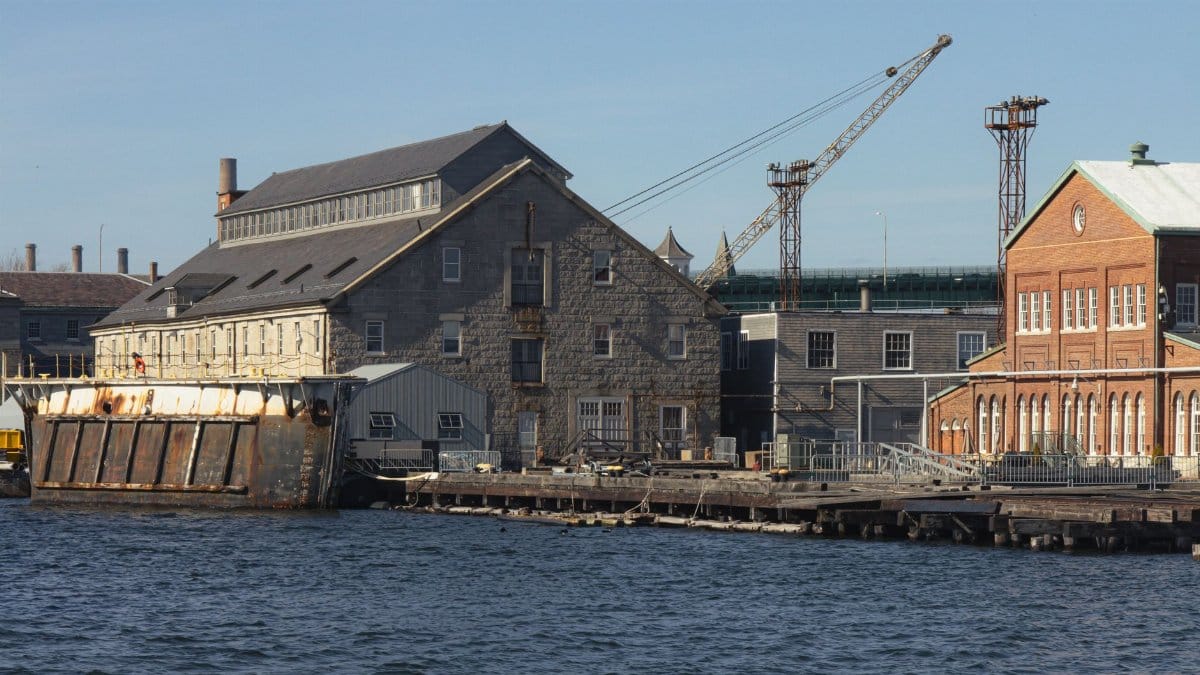
In the evolving dynamics of Philadelphia’s waterfront economy a notable transaction is taking shape that could reshape administrative functions for one of the region’s key maritime entities. Local leaders have put forward a proposal to acquire multiple structures valued at twenty two point six million dollars with the aim of shifting central offices away from their current spot in Port Richmond. This development highlights ongoing adjustments in how port management adapts to growth opportunities and spatial needs. The focus rests on PhilaPort Navy Yard as a potential new base that offers room for expansion amid rising trade volumes.
Origins of the Headquarters Relocation Idea

Port authorities have long considered options for consolidating staff in a single modern setting after years of operating from dispersed sites. Discussions gained momentum when real estate at the Navy Yard became available through federal channels. Planners reviewed several locations before settling on buildings that provide both proximity to shipping lanes and access to supporting infrastructure. The choice aligns with broader city goals for revitalizing underused industrial zones.
Financial Details of the Acquisition Plan

The twenty two point six million dollar figure covers purchase costs along with initial upgrades to electrical systems and interior layouts. Funding would draw from port reserves accumulated through cargo fees and state grants dedicated to infrastructure. Officials emphasize that the investment should yield savings over time by reducing lease payments and improving operational efficiency across departments.
Advantages Offered by Navy Yard Location
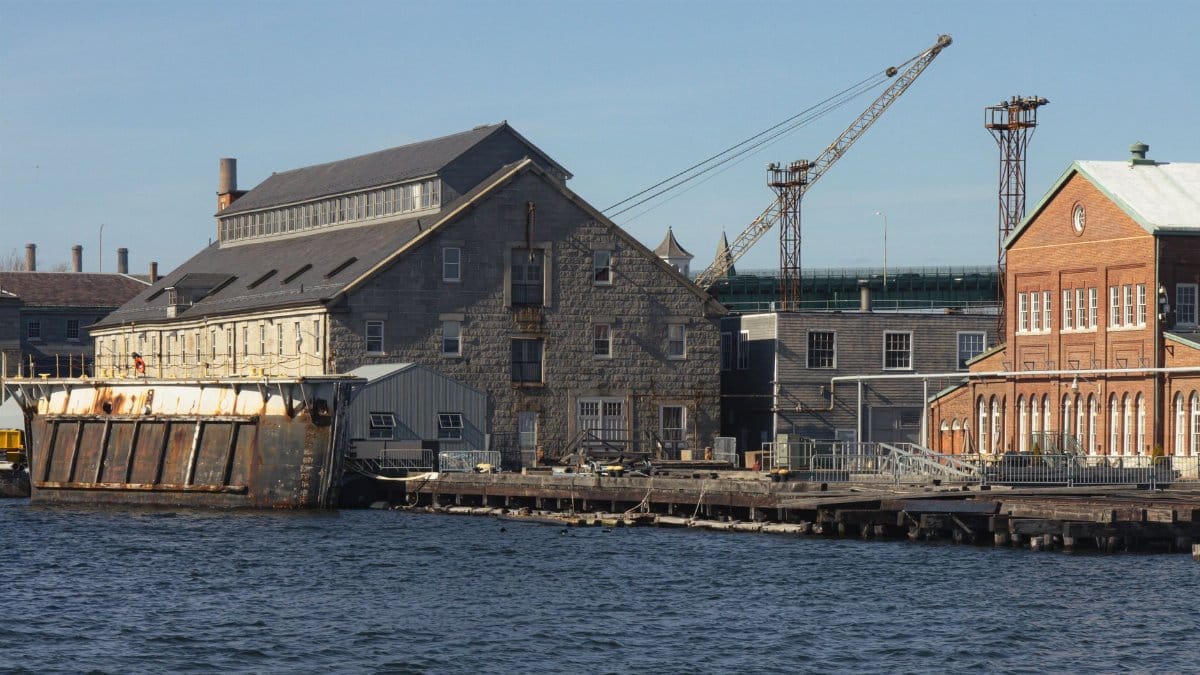
Positioned along the Delaware River the site grants direct links to rail lines and major highways that facilitate cargo movement. Nearby research facilities and training programs could support workforce development for maritime roles. Environmental assessments indicate lower flood risks compared with the existing headquarters which sits closer to older port terminals prone to storm surges.
Community Reactions to the Proposed Shift

Residents in Port Richmond have voiced mixed feelings about losing a longtime employer presence though many acknowledge potential benefits for traffic reduction. Business groups near the Navy Yard welcome the influx of professional staff that could boost demand for nearby services such as restaurants and retail. City council members have scheduled hearings to gather input before final approval.
Historical Context of PhilaPort Operations

Established decades ago to manage Philadelphia’s shipping interests the organization has navigated changes from containerization to global supply chain disruptions. Previous moves involved adapting to new trade patterns with Asia and Europe. Current leaders draw on that experience when evaluating how a consolidated base might enhance coordination with federal customs agents and private terminal operators.
Potential Effects on Regional Trade Growth

Analysts project that an updated headquarters could streamline permitting processes for larger vessels expected with upcoming channel deepening projects. Enhanced meeting spaces might attract international delegations interested in joint ventures. Such developments would build on existing cargo records that show steady increases in container throughput over the past five years.
Environmental Considerations in the Move

Design teams plan to incorporate energy efficient features like improved insulation and solar panels on rooftops to meet city sustainability targets. Soil testing at the Navy Yard has confirmed suitability for redevelopment without extensive remediation. Officials note that relocating away from older facilities may reduce overall emissions from daily commuting patterns once staff adjust to new transit options.
Next Steps in the Approval Process

Negotiations with property owners continue alongside reviews by state environmental agencies. A final decision is anticipated within six months pending public comment periods. If approved construction crews would begin work on interior renovations while maintaining uninterrupted port services from the current location until the transition completes.
Broader Implications for Philadelphia Waterfront
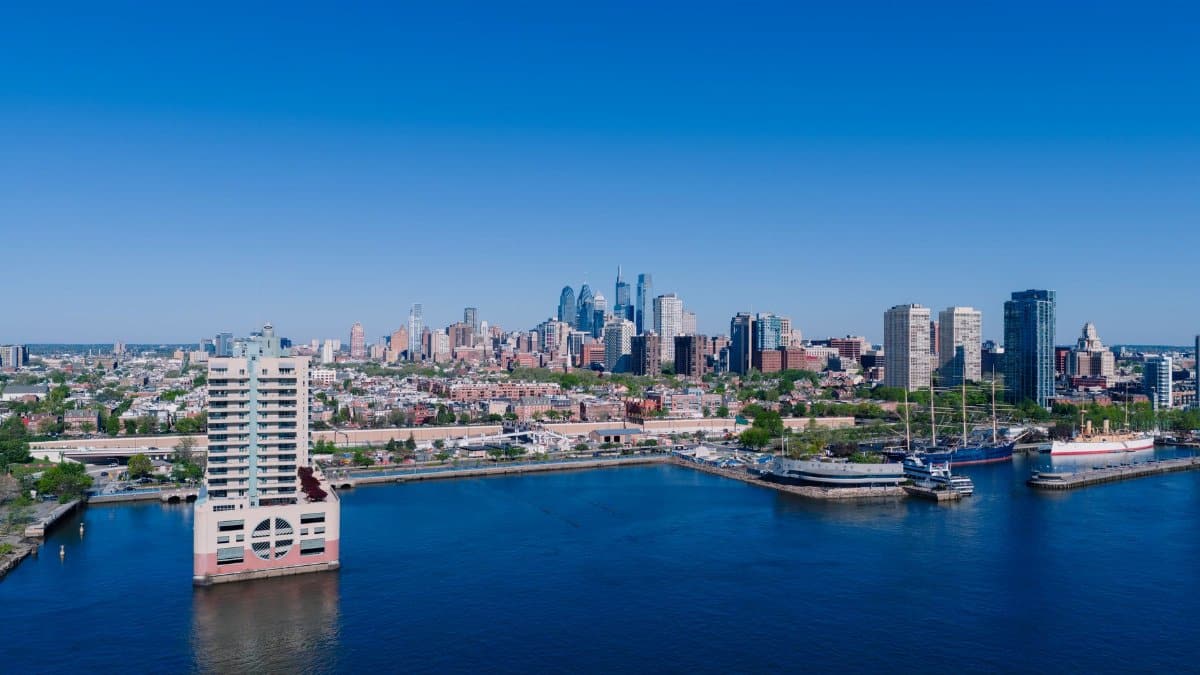
This initiative forms part of wider efforts to balance industrial needs with emerging residential and recreational uses along the riverfront. Successful execution could serve as a model for other ports facing similar space constraints in dense urban settings. Observers will monitor outcomes closely as they may influence future investments in maritime infrastructure nationwide.