

Minnesota politics often reveals its deepest currents far from the glare of top ticket contests. As attention turns toward the contests that fill legislative chambers and key state offices the outcomes in Minnesota down ballot races 2026 may quietly reset the balance of power for an entire generation of state policy.
Legislative Seats That Carry Outsize Influence
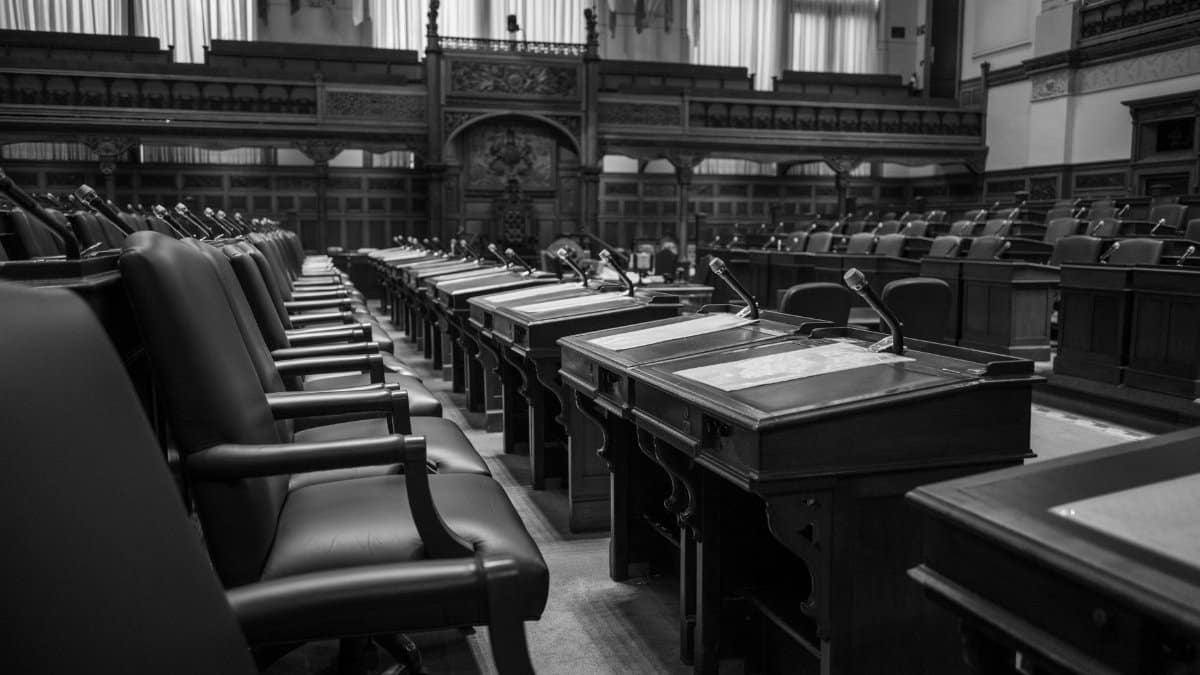
Control of the state House and Senate rests on dozens of individual districts where margins can shift with modest turnout changes. Retirements among veteran lawmakers open pathways for newer voices who bring fresh priorities on taxation and education funding. Observers note that even a handful of flips could alter committee leadership and the pace of bill advancement.
Role of the Attorney General Position
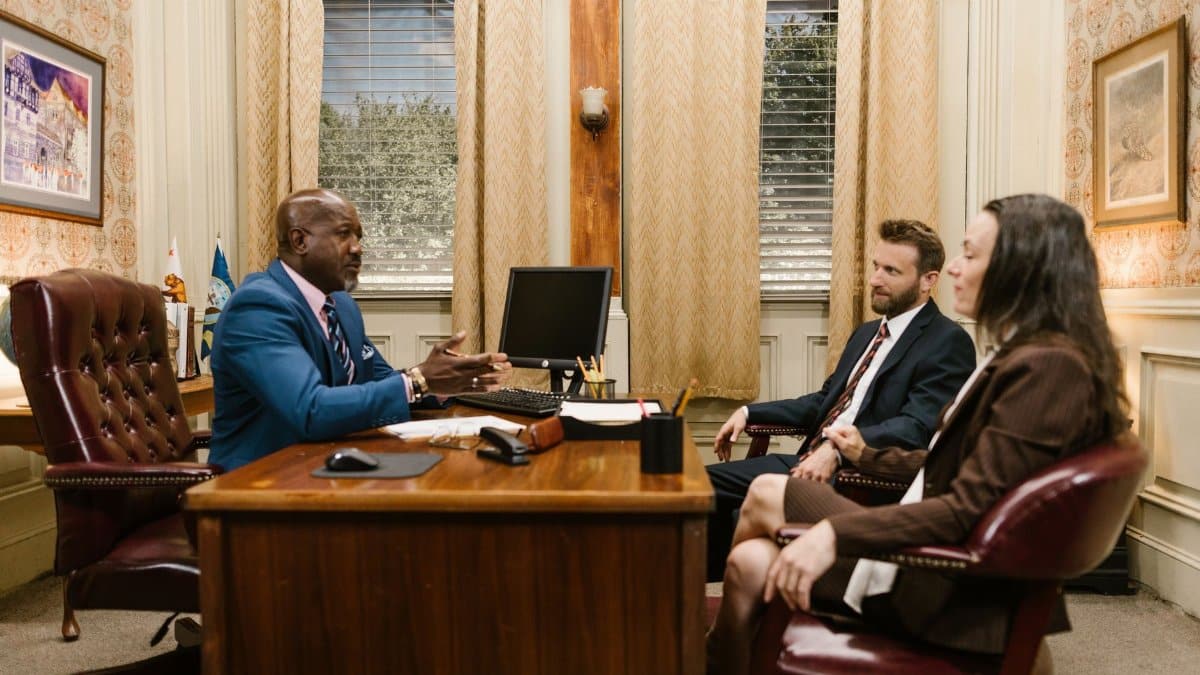
The office handles consumer protection suits and environmental enforcement actions that reach across urban and rural communities alike. Candidates in this race must address emerging questions around data privacy and corporate accountability. Past holders have used the position to shape national legal strategies so the 2026 choice carries weight beyond state borders.
Secretary of State Duties and Election Integrity

This office oversees voter rolls election equipment standards and campaign finance disclosures. Recent upgrades to digital systems have drawn both praise and questions about access for smaller counties. The next officeholder will guide how Minnesota adapts to new federal guidelines on voting procedures.
Impact on Education Funding Formulas

Down ballot winners often join key committees that rewrite school aid calculations. Rural districts seek adjustments for transportation costs while urban areas push for support services. The composition of these panels after 2026 will determine whether current formulas remain or undergo substantial revision.
Environmental Policy Direction at Stake

State agencies implement clean water rules and renewable energy targets through legislation passed by the full assembly. Lawmakers elected in lesser publicized races decide the pace of permitting reforms and land conservation programs. Their decisions affect industries from agriculture to manufacturing.
Health Care Access Debates Continue

Medicaid expansion details and prescription drug pricing measures frequently originate in committee work led by mid level legislators. The 2026 cohort will confront hospital funding shortfalls and workforce shortages that have lingered since the pandemic years. Bipartisan cooperation in these areas has produced incremental gains in prior sessions.
Voter Turnout Patterns in Off Year Cycles
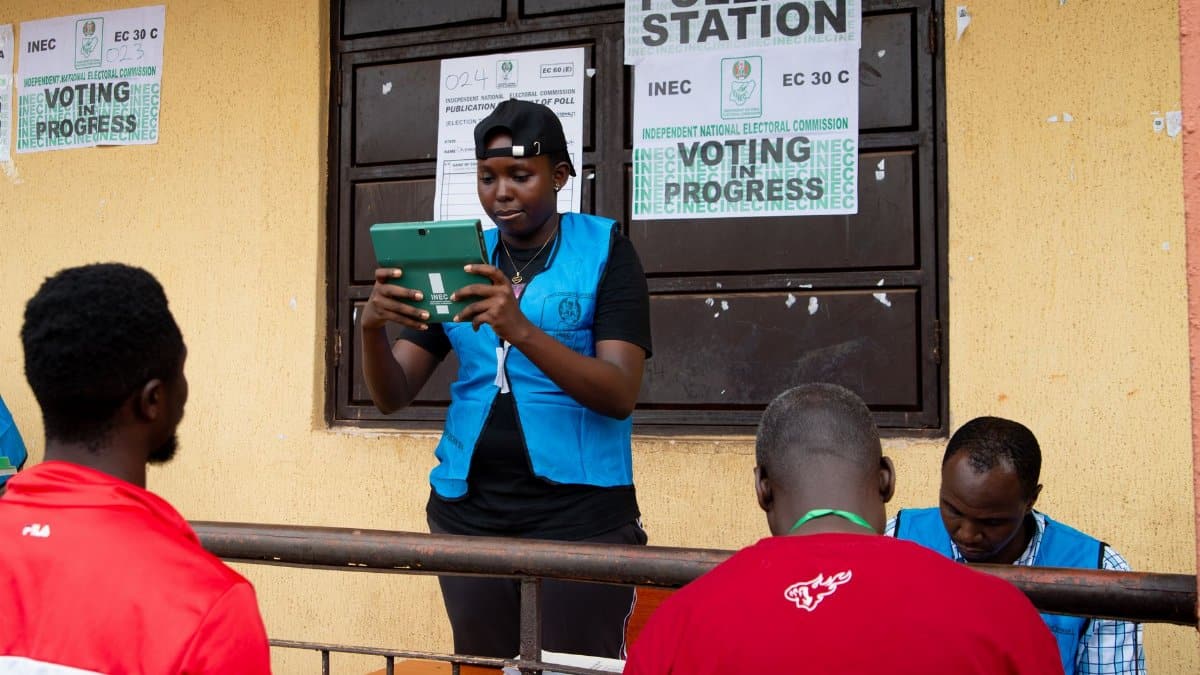
Participation rates drop noticeably when presidential and gubernatorial contests are absent. Campaigns that invest in door to door outreach and local media buys tend to outperform those relying solely on digital ads. Historical data show that organized efforts in suburban swing districts can decide narrow legislative outcomes.
Redistricting Effects Still Unfolding
Maps drawn after the last census continue to influence which communities share representation. Some districts now combine suburban and exurban voters whose interests diverge on transportation projects. Candidates must navigate these blended electorates to build durable coalitions.
Local Media Coverage and Public Awareness

Many outlets have reduced reporting on state legislative contests leaving voters with limited information about individual candidates. Community newspapers and public radio fill part of the gap yet face their own resource constraints. Greater visibility for these races could alter engagement levels in future cycles.