

Illinois Governor JB Pritzker recently revealed his choices for the leadership of a new transit oversight body in the northern part of the state. These selections arrive at a moment when regional transportation faces mounting pressures from population growth and aging infrastructure. The move replaces an older framework with one designed for broader coordination. Observers note that such shifts often bring both opportunities and uncertainties for daily commuters who rely on trains and buses. With these NITA board appointments the governor aims to align local needs with statewide goals in a way that emphasizes efficiency over the long term.
Origins of the New Transit Structure

The Northern Illinois Transit Authority emerges from legislative efforts to consolidate fragmented services. Lawmakers sought a single entity capable of managing routes that cross multiple counties. This approach addresses longstanding complaints about overlapping responsibilities that slowed project approvals in prior years.
Profiles of the Selected Leaders

Those named bring experience from finance, engineering and community advocacy. Several have worked on large scale public works while others focused on equity issues in underserved neighborhoods. Their combined backgrounds suggest an intent to balance technical demands with social considerations.
Immediate Priorities for the Authority

Early tasks include reviewing current contracts and assessing capital needs. The group must also establish protocols for data sharing among operators. Such steps are viewed as essential before any major service expansions can proceed.
Impact on Existing Transit Agencies
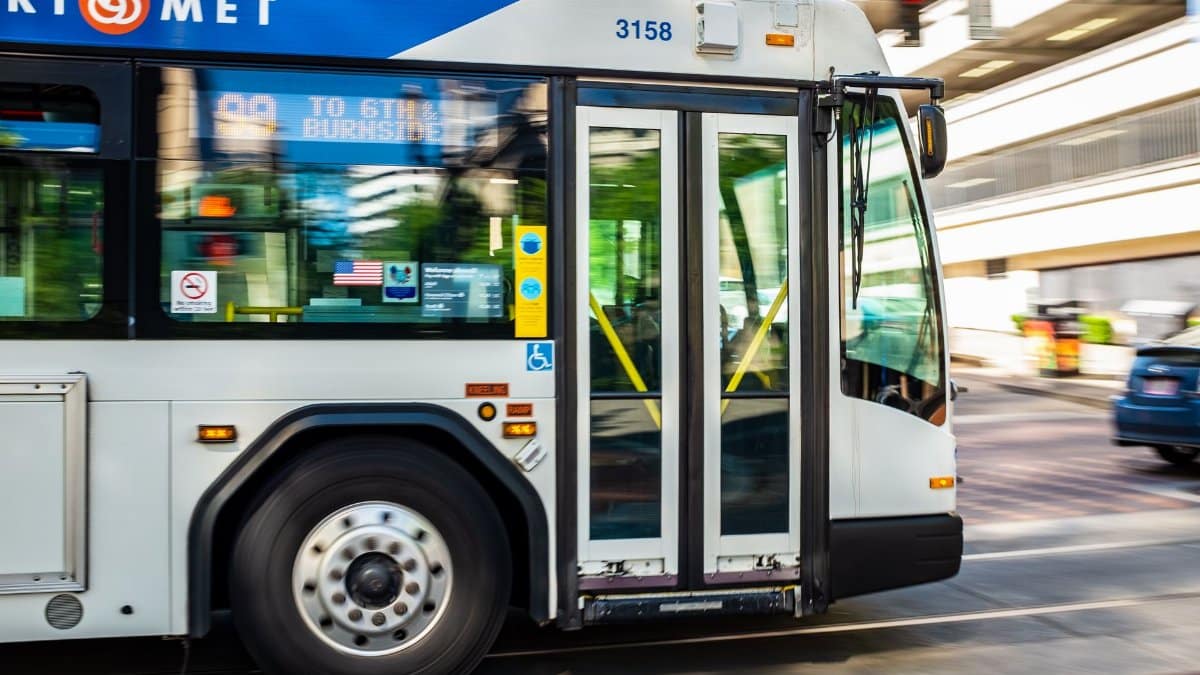
Smaller operators worry about loss of autonomy under the new umbrella. Yet supporters argue that unified planning will reduce duplication and free resources for maintenance. Conversations continue on how local input will remain part of decision making processes.
Public Transportation Funding Outlook

Revenue sources range from state allocations to federal grants and local taxes. The appointees face pressure to demonstrate fiscal responsibility while pursuing upgrades. Transparent reporting on spending is expected to play a central role in building trust with taxpayers.
Commuter Experiences Under Review
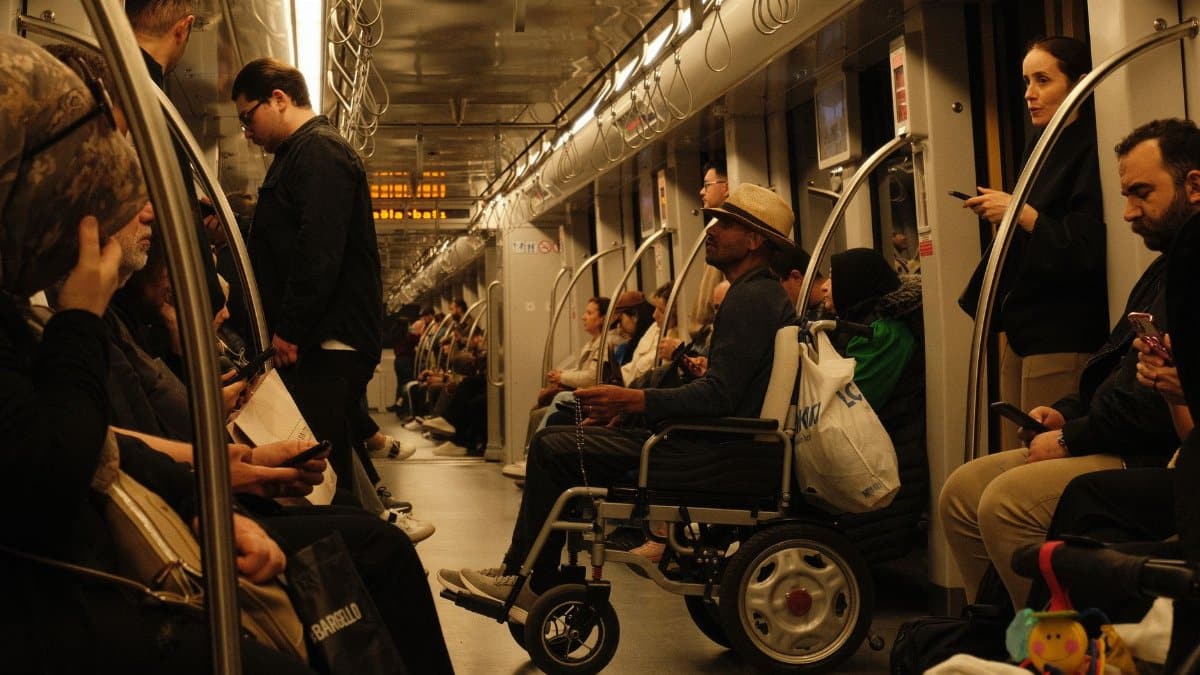
Daily riders have shared stories of delays and crowded conditions during peak hours. The board is positioned to examine these patterns through fresh studies and pilot programs. Adjustments could involve schedule tweaks or investments in newer vehicles over time.
Environmental Considerations in Planning

Transit improvements often tie into broader climate objectives such as lowering vehicle emissions. The authority may explore electric bus fleets and expanded bike integration at stations. These elements reflect growing public interest in sustainable mobility options.
Regional Economic Connections

Better transit links can support job access across suburbs and the city core. Businesses have expressed hope that reliable service will aid worker recruitment. Economic analyses suggest measurable gains if connectivity improves in key corridors.
Challenges in Stakeholder Coordination

Multiple municipalities and unions hold stakes in the outcome. Finding common ground requires careful negotiation on issues like labor protections and route priorities. Success depends on sustained dialogue rather than top down directives alone.
Looking Ahead to Implementation

Full operation of the authority will unfold gradually with milestones tracked through public updates. Early indicators of progress may appear in budget documents and service reports. Observers will watch closely to see whether the vision translates into tangible results for riders across the region. The NITA board appointments represent one chapter in an ongoing effort to modernize how people move through northern Illinois.