
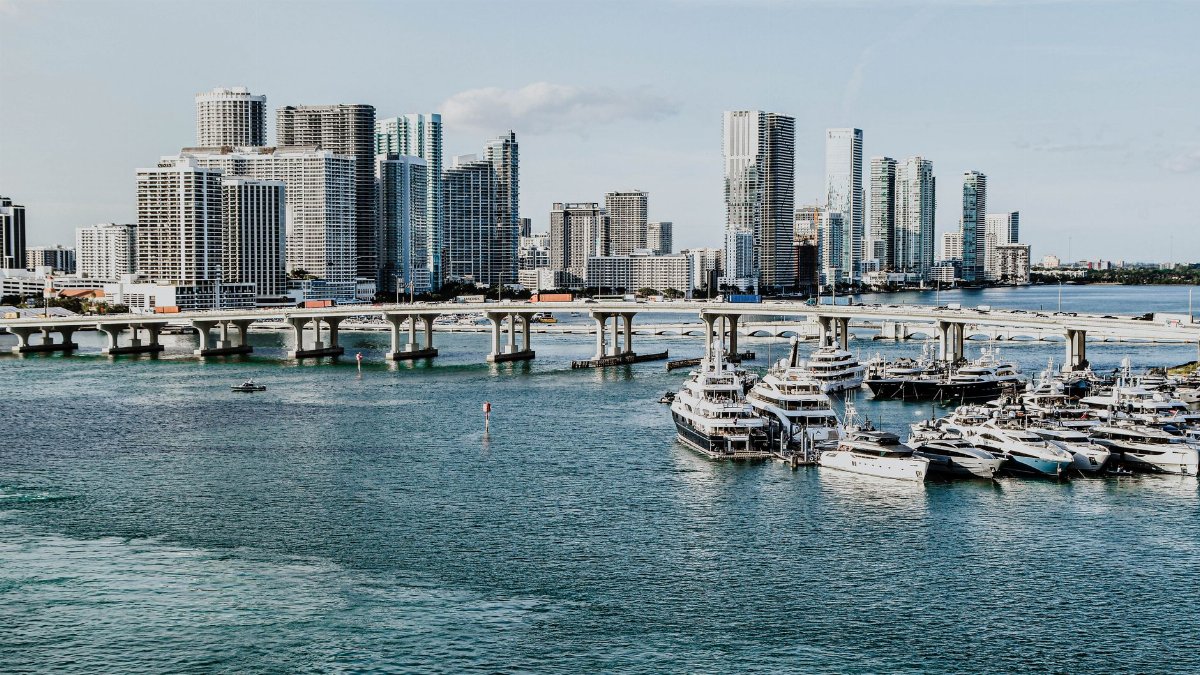
The waterfront communities in Miami face an important decision regarding their future development plans. As debates intensify over how best to revitalize aging infrastructure along the bay, the Miami marina redevelopment ballot legal fight has taken center stage in both legal and political arenas. Residents and officials alike are weighing the benefits of modern marina facilities against the need for greater transparency in the decision making process. This dispute highlights tensions between progress and preservation that define many coastal cities today. Court filings and public hearings reveal deep divisions over voter rights and project oversight.
Origins of the Redevelopment Proposal

City leaders first floated the idea of updating the marina site several years ago to attract tourism and boost local revenue. Supporters point to crumbling docks and limited public access as reasons for change. Detailed plans call for new slips, retail space and green areas that could draw families year round.
Community Reactions and Public Input

Many longtime residents voiced worries during town meetings about rising costs and loss of open space. Others welcomed the chance for economic growth in an area long overlooked. Petitions circulated quickly, gathering signatures from both sides of the issue.
Path to the Ballot Measure

After months of revisions the proposal reached voters through a formal petition drive. Organizers met signature thresholds set by local election rules. The measure now offers residents a direct say on whether the project advances.
Legal Challenges Emerge

Opponents filed suit claiming procedural flaws in how signatures were verified. Judges reviewed evidence from both camps in preliminary hearings. The case centers on whether election officials followed state guidelines to the letter.
Court Rulings on Ballot Placement

A recent decision kept the measure on the upcoming ballot while litigation continues. This allows voters to express their views even as appeals move forward. Analysts note such rulings often preserve access to the polls during disputes.
Broader Implications for Local Governance
The outcome could influence how future projects handle public votes across Florida. Similar fights in other cities have led to stricter signature checks and more open records policies. Miami officials are watching closely for precedents.
Economic Arguments from Both Sides

Backers estimate thousands of new jobs and higher property values near the waterfront. Critics counter that taxpayer funds might cover overruns if tourism falls short. Independent reviews of comparable projects offer mixed results on long term gains.
Environmental Considerations at Stake

Plans include protections for water quality and marine habitats yet some scientists urge further study. Rising sea levels add urgency to any construction near the bay. Groups focused on conservation have joined the public debate.
Role of Media and Public Discourse

Local coverage has amplified voices from neighborhood associations and business groups. Social media platforms spread updates on hearing dates and court filings. This flow of information shapes how middle aged voters form opinions.
Next Steps in the Ongoing Dispute

Appeals could stretch into the next election cycle depending on higher court schedules. City staff continue work on alternate designs in case voters reject the current version. The Miami marina redevelopment ballot legal fight shows no sign of quick resolution.
Lessons for Other Coastal Cities
Observers suggest stronger early engagement with residents might prevent similar lawsuits elsewhere. Clear rules on petition processes could reduce court involvement in ballot matters. Miami experience offers a case study for balancing growth and accountability.