
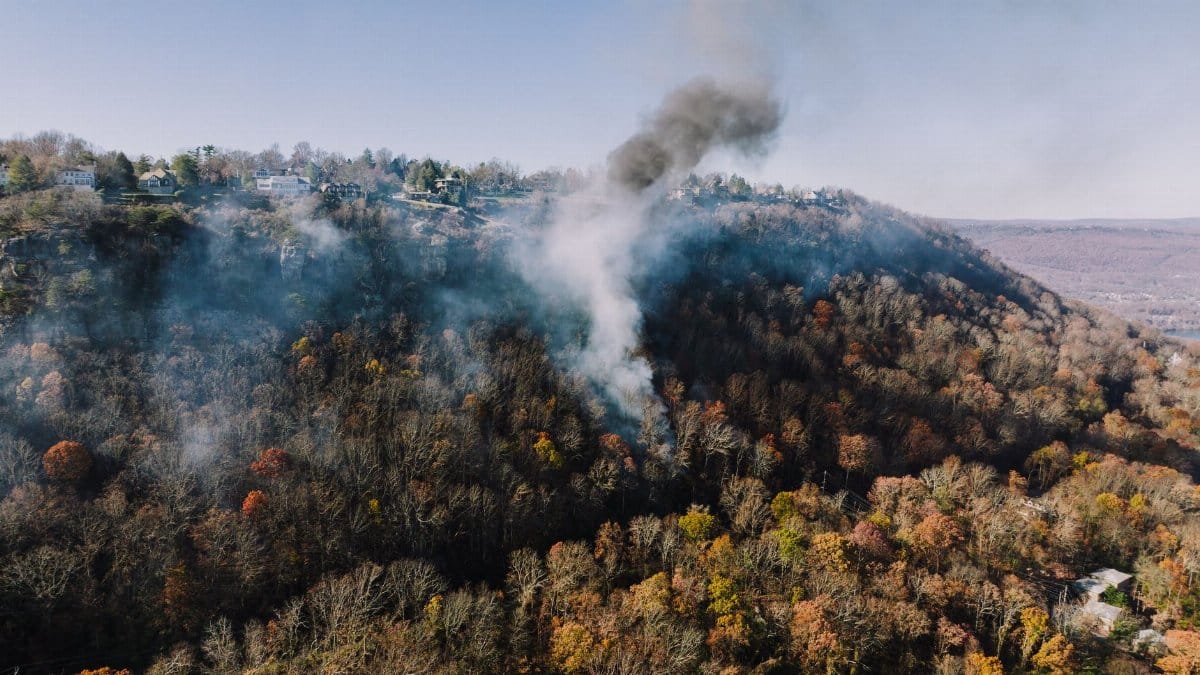
The summer season brought unexpected challenges to the Pacific Northwest when Washington Wildfires drove expenses for containment efforts above two hundred million dollars. This development highlights the growing demands placed on state resources as fires spread across forested areas and rural lands. Officials have reported intense activity in several counties requiring additional personnel and equipment from various agencies. The financial burden raises questions about preparedness and extended planning for such events. Residents in affected zones have faced evacuations and disruptions underscoring the human element behind the numbers. As the season progresses attention turns to how these costs might influence future budgets and policies aimed at managing natural disasters more effectively.
Financial Pressures on State Resources

State agencies have scrambled to cover the mounting bills associated with aerial support ground crews and equipment rentals. Budget reallocations have become necessary pulling funds from other critical areas such as education and infrastructure maintenance. Lawmakers now face tough choices about whether to seek supplemental funding or adjust tax allocations to meet ongoing needs. These decisions carry implications for services that many middle aged citizens rely upon daily.
Effects on Rural Economies
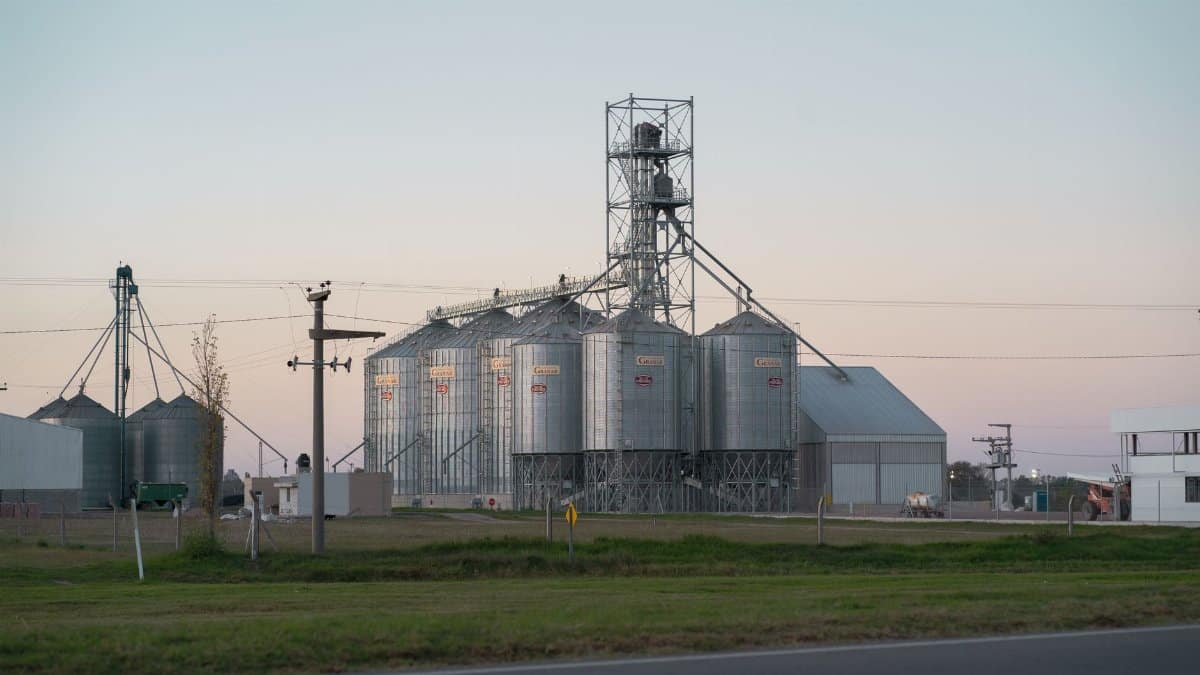
Local businesses in fire prone regions have seen sharp drops in customer traffic as access roads close and tourists stay away. Farms and timber operations report delays in harvesting and transport leading to lost income for families who depend on seasonal work. Recovery efforts will likely stretch into the coming months with some owners uncertain about their ability to rebound fully.
Role of Weather Patterns
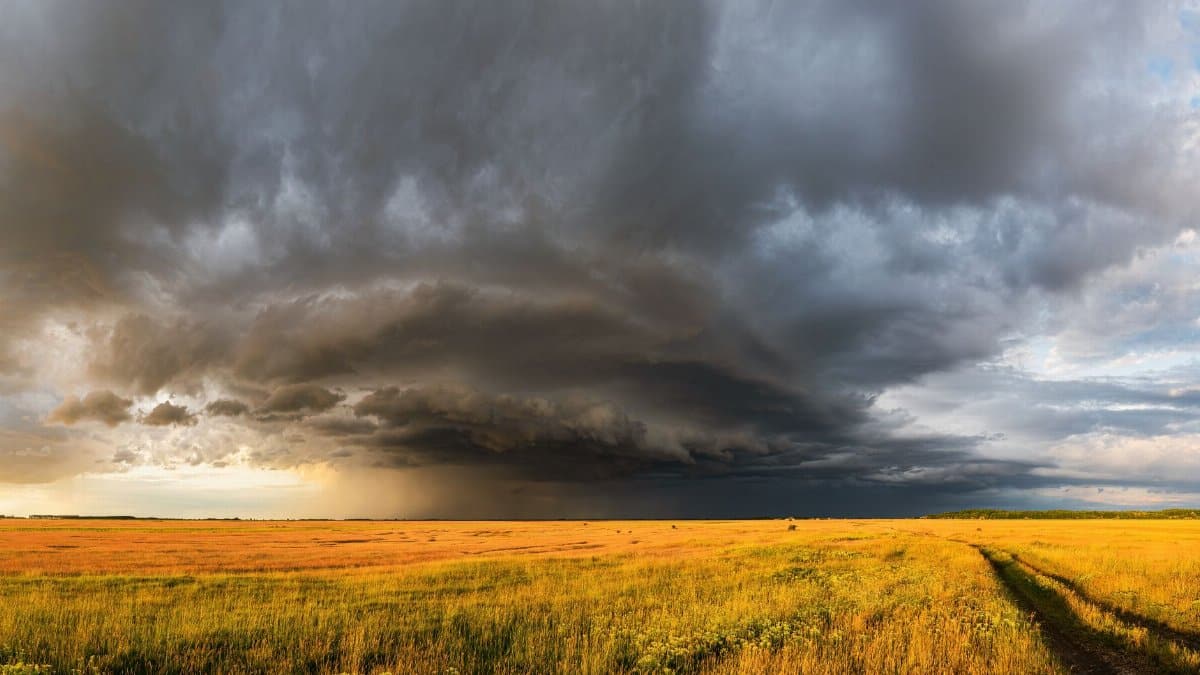
Extended dry spells combined with high temperatures have created conditions ripe for rapid fire growth. Forecasters note that such patterns have become more frequent in recent decades altering traditional expectations for fire seasons. This shift prompts discussions among scientists and land managers about adapting response strategies to match evolving environmental realities.
Community Evacuation Experiences
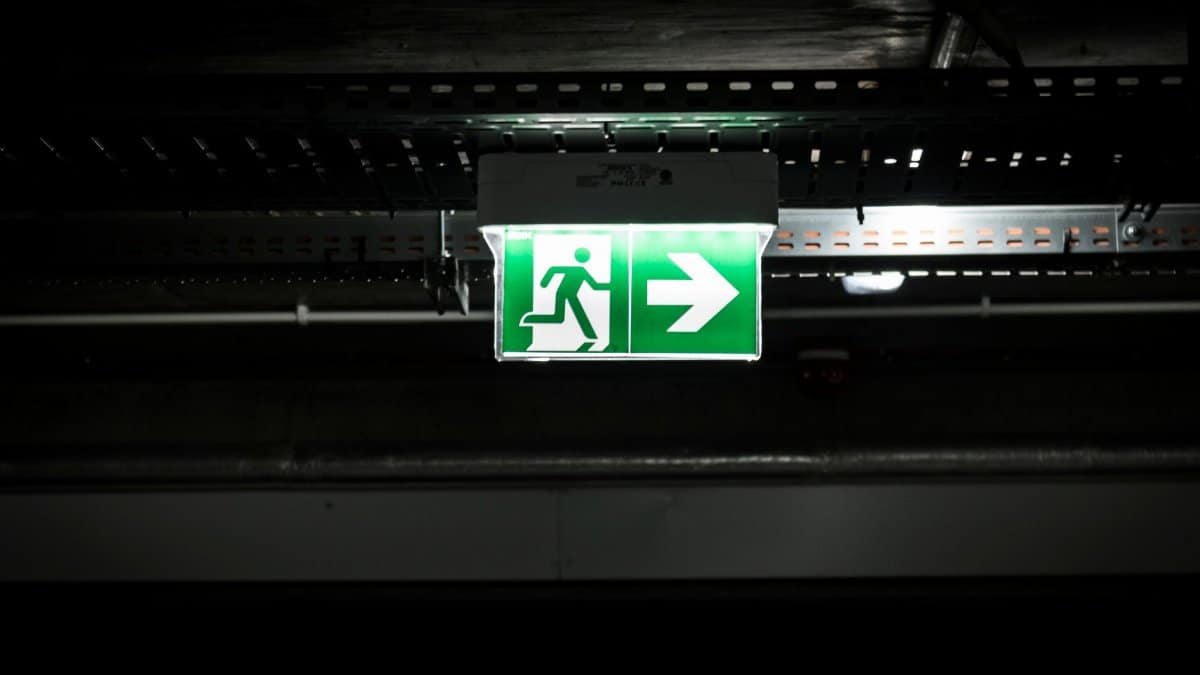
Families describe hurried departures from homes with little time to gather belongings. Shelters set up in nearby towns have housed hundreds providing meals and basic supplies while uncertainty lingers about when return might be possible. Stories from these displacements reveal resilience yet also fatigue among those repeatedly impacted by seasonal threats.
Coordination Among Agencies

Federal state and local teams have worked together deploying resources across multiple incident sites. Communication systems have been tested under pressure with successes and occasional gaps noted in after action reviews. Improved protocols could streamline future operations reducing both costs and response times.
Longterm Policy Considerations

Discussions have begun about investing more heavily in prevention measures such as controlled burns and vegetation management. These approaches aim to lower the intensity of future fires thereby easing the strain on emergency budgets. Public support for such initiatives varies with some residents favoring aggressive action while others express concerns over ecological impacts.
Comparisons to Previous Seasons
Historical data shows costs rising steadily over the past decade with this year marking a notable peak. Factors include larger burn areas and greater reliance on expensive aviation assets. Analysts suggest that without changes in land use or climate trends similar outlays may recur regularly.
Outlook for Coming Months

As cooler weather arrives fire activity is expected to taper yet the financial and emotional toll will persist. Planners are already modeling scenarios for next year seeking ways to build reserves and enhance training. Broader awareness among the public could foster greater cooperation in reducing risks across the region.