
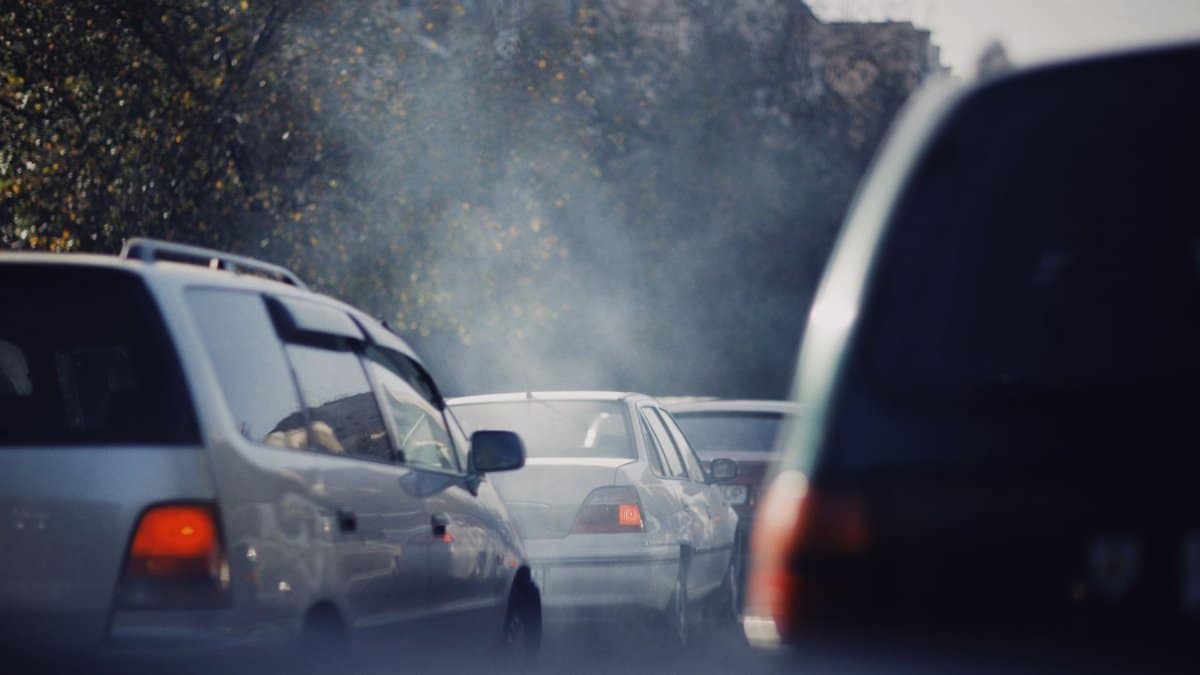
Commuters heading through western Miami Dade County encountered sudden disruptions this week as crews moved in to address infrastructure needs along a busy corridor. The situation has drawn attention to Okeechobee Road lane closures Dolphins traffic, a combination that tends to test patience even on ordinary days. Drivers reported backups stretching for miles during peak hours, with some opting to reroute through residential streets that were never meant to handle such volume. Local officials note that the timing overlaps with preparations for an upcoming home game, which adds another layer of complexity to an already strained network. Residents who rely on this route for work or errands described feeling trapped between construction barriers and surging event crowds. The result is a reminder of how interconnected daily mobility remains in a region that continues to grow.
Reasons Behind the Current Lane Restrictions
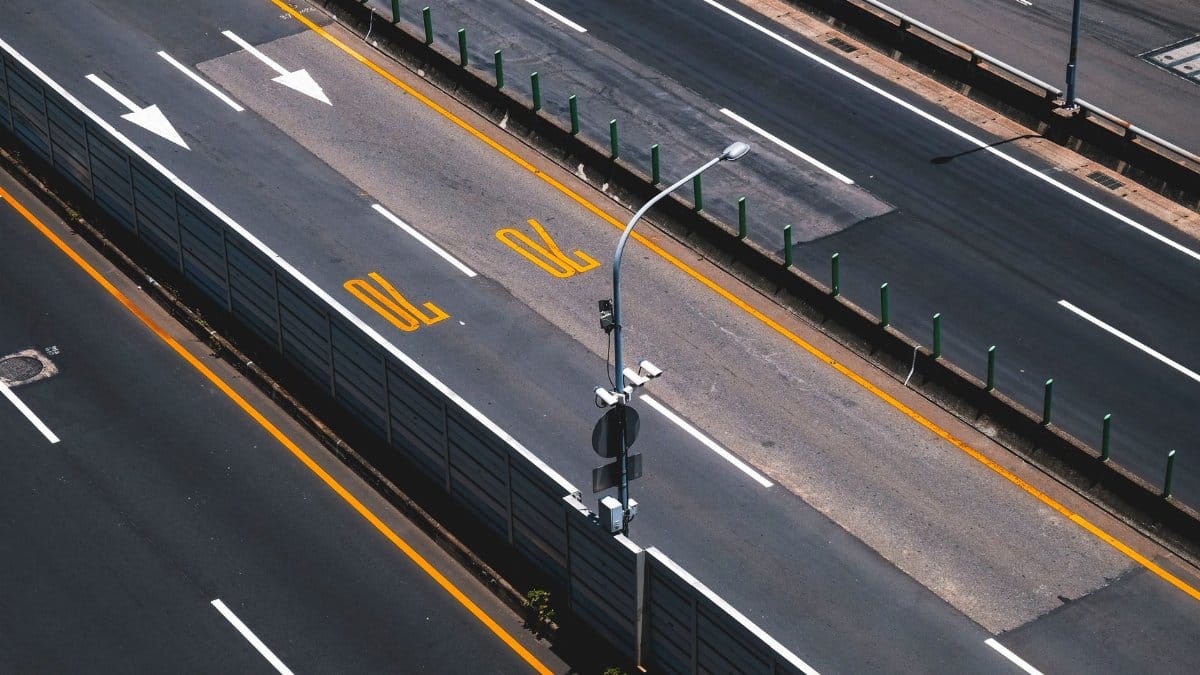
City engineers identified several sections requiring immediate attention due to pavement wear and drainage concerns. These repairs cannot wait for a quieter period, given safety data collected over the past year. Crews work in shifts to minimize the overall footprint, yet the process still demands reduced capacity in both directions during daylight hours.
How Dolphins Events Compound Everyday Congestion

Game days bring thousands of additional vehicles into the area, many of them funneled onto the same arteries that serve routine commuters. Parking lots near the stadium fill early, pushing overflow traffic onto side roads. This surge turns moderate delays into extended standstills that last well into the evening.
Impact on Local Businesses and Delivery Services
Shop owners along the corridor report customers arriving later than planned or canceling visits altogether. Delivery trucks face tighter windows, forcing companies to adjust routes or add extra drivers. Some establishments have begun promoting earlier operating hours to capture sales before the heaviest buildup begins.
Alternative Routes Drivers Are Exploring
Navigation apps suggest detours through nearby neighborhoods or parallel thoroughfares such as Flagler Street or 36th Street. These options help some travelers but create new pressure points where volumes were previously manageable. Police have stationed officers at key intersections to keep movement steady.
Public Transit Adjustments During Peak Periods
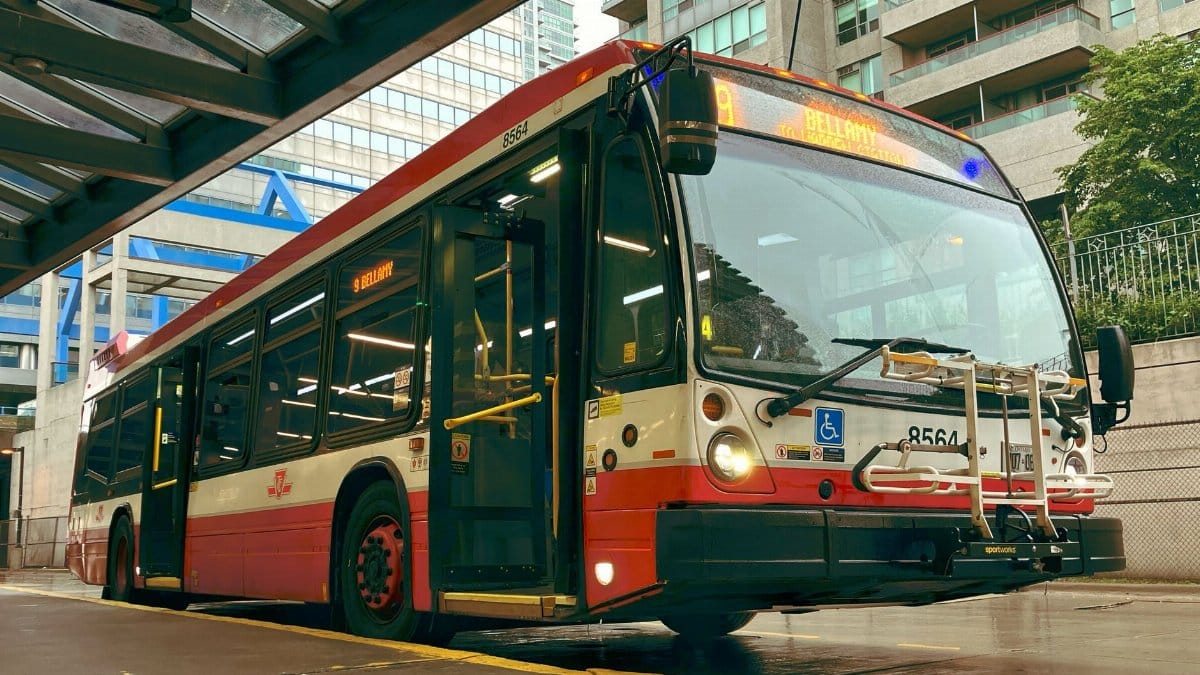
Bus schedules have seen minor tweaks to account for slower travel times along affected segments. Transit officials encourage riders to add extra time to their trips and to consider park and ride lots located farther from the main construction zone. Real time alerts via mobile apps provide updates on any further changes.
Long Term Plans for Corridor Improvements
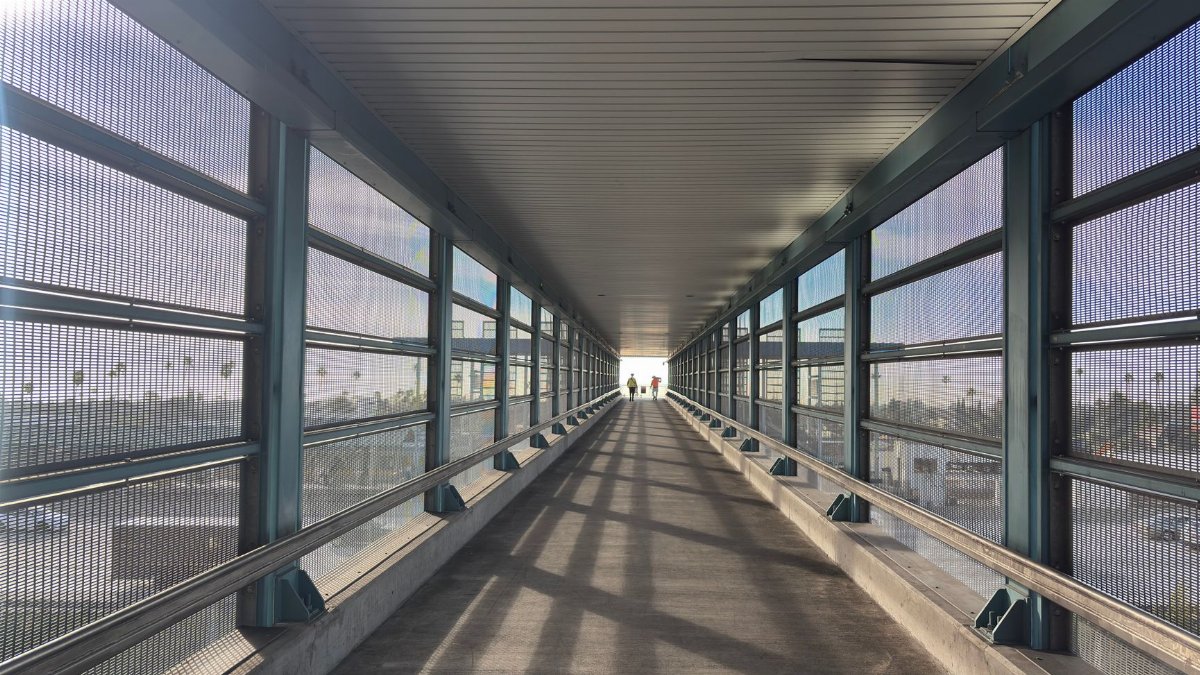
Planners are studying ways to widen certain stretches and improve signal timing once the immediate repairs conclude. Funding discussions continue at the county level, with proposals that include dedicated turn lanes and better lighting for nighttime visibility. Community meetings allow residents to share observations about daily patterns.
Advice for Fans Attending Upcoming Matches
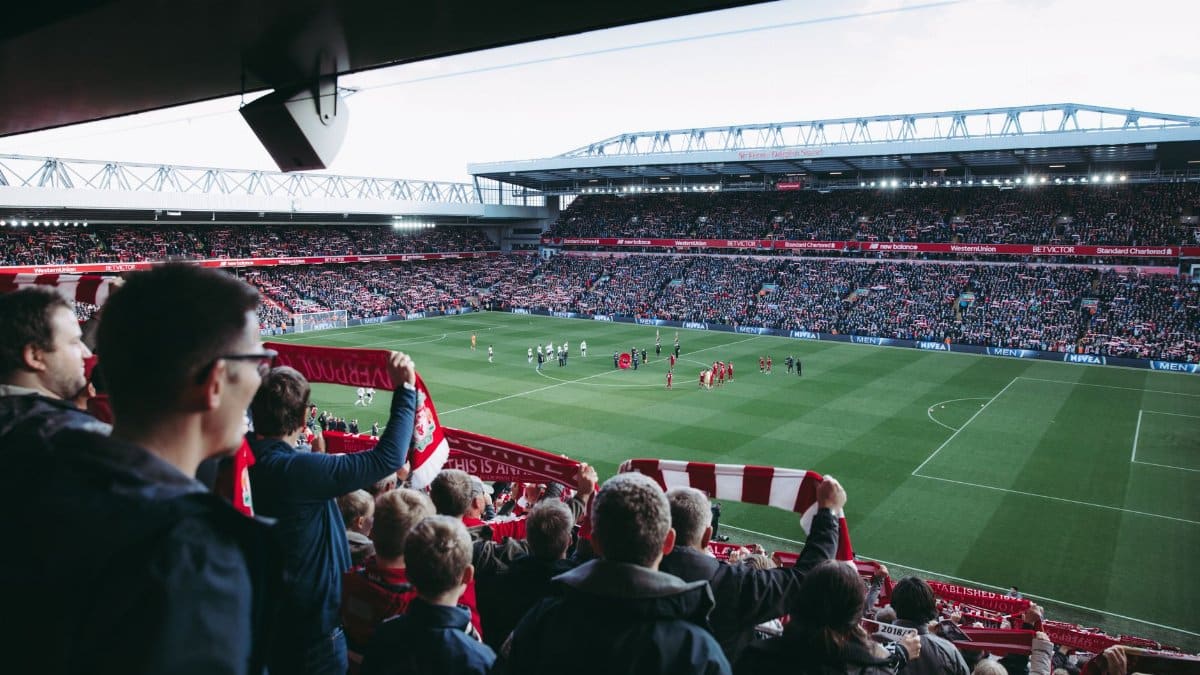
Those heading to games are urged to arrive well ahead of kickoff and to use designated lots rather than circling for street parking. Carpooling reduces the total number of vehicles on the road, while early departures after the final whistle can ease post event rushes. Stadium announcements remind attendees of these steps each week.
Coordination Between Agencies and Event Organizers
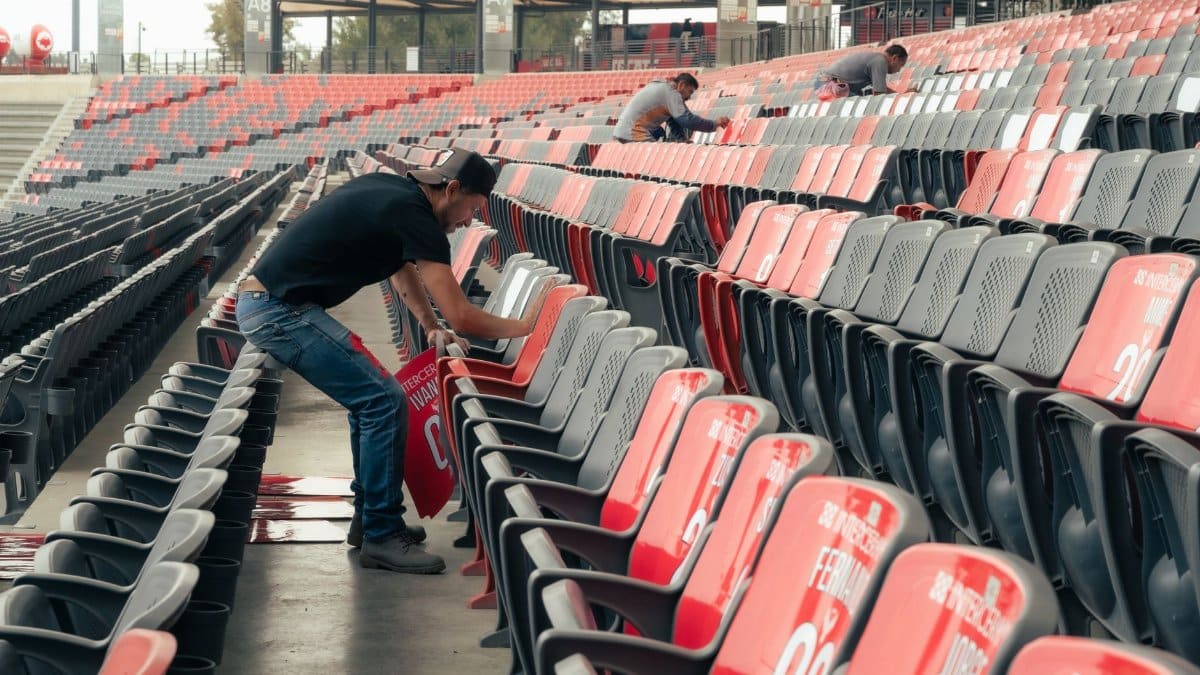
Transportation departments meet regularly with team representatives to align construction windows with the football calendar. Joint briefings help both sides anticipate conflicts and communicate unified messages to the public. Such collaboration aims to prevent surprises that frustrate everyone involved.