
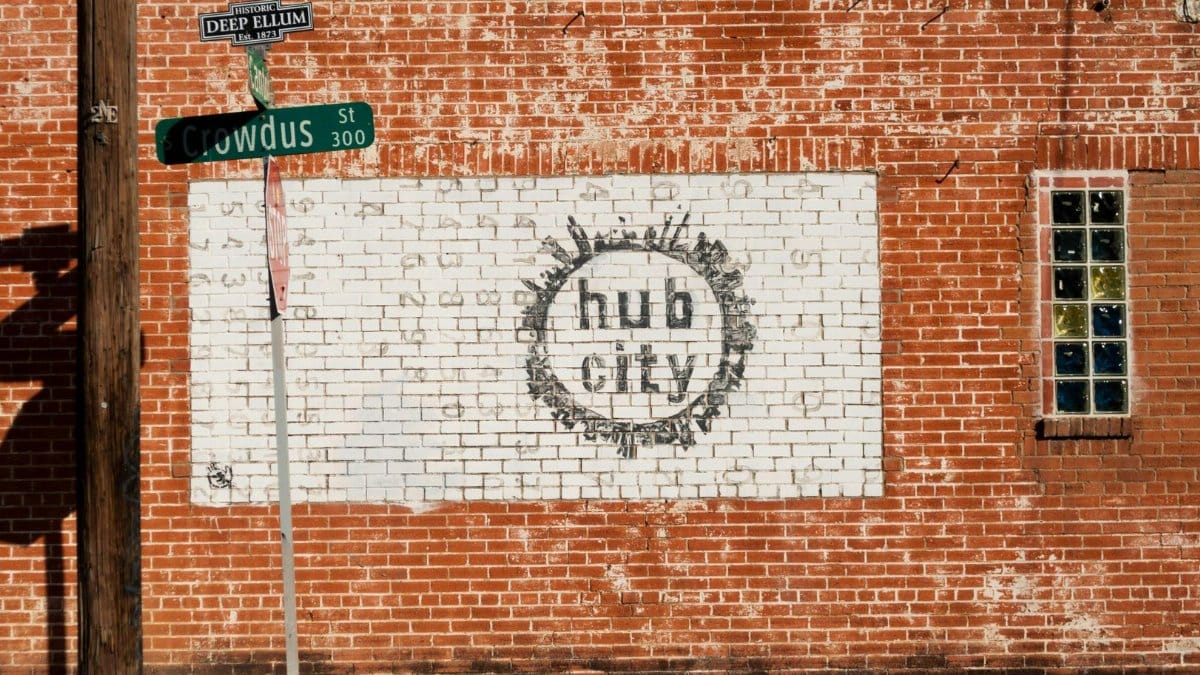
Dallas vibrant entertainment district has long attracted crowds with its mix of live music venues and eclectic dining options. Yet recent developments have cast a shadow over its future prospects. Multiple bars and restaurants have announced permanent shutdowns throughout the current year amid ongoing street projects and rising operational costs. These Deep Ellum closures reflect broader challenges facing urban neighborhoods across the country as owners weigh viability against mounting hurdles.
Construction Projects Disrupt Daily Operations
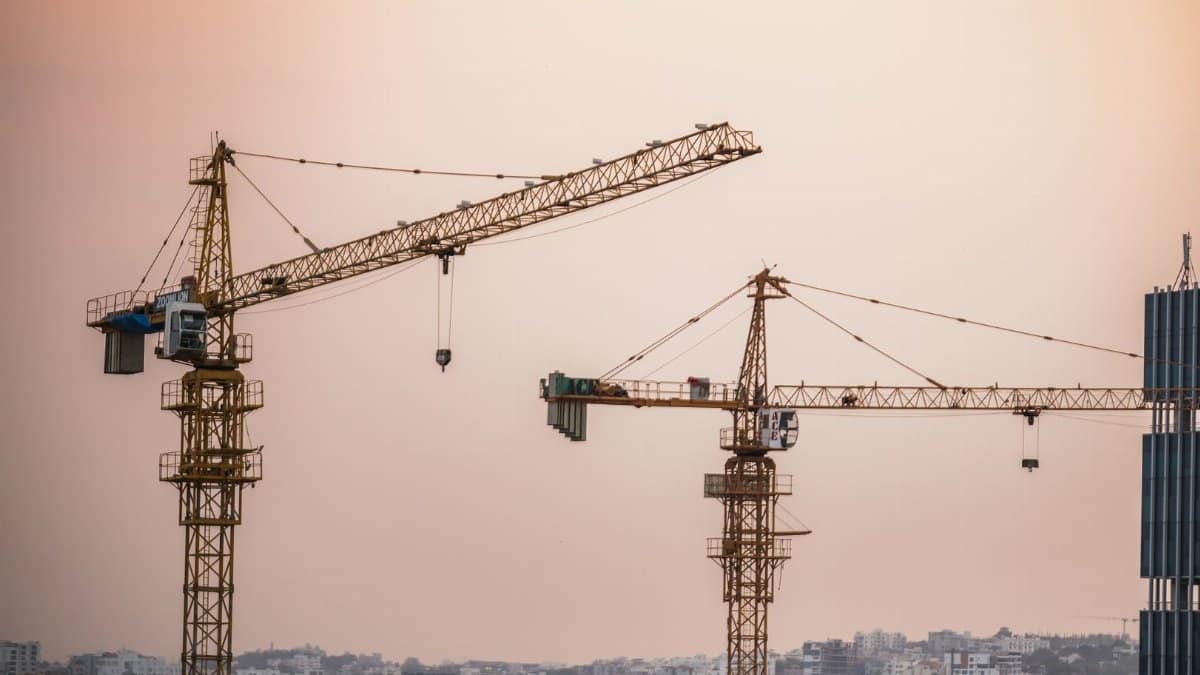
Street repairs and utility upgrades have transformed once bustling sidewalks into obstacle courses for patrons and staff alike. Delivery trucks struggle to reach back entrances while noise and dust deter casual visitors seeking an evening out. Business owners report sharp drops in foot traffic that once sustained late night crowds well into the morning hours.
Economic Pressures Mount for Owners
Rising rents combined with supply chain issues have squeezed profit margins to unsustainable levels for many small operators. Insurance costs have climbed steadily forcing some to reconsider long term commitments in the district. Without relief measures several more establishments may follow the path of recent closures.
Community Reactions to Changing Landscape
Longtime residents express nostalgia for the creative energy that defined the neighborhood in earlier decades. Local forums fill with discussions on how to preserve character amid rapid turnover. Some propose pop up events to draw attention back to surviving venues and support remaining merchants.
Role of City Policies in Business Stability

Municipal decisions on permitting and infrastructure timelines play a central part in the current situation. Advocates call for better coordination between agencies to minimize impacts during peak seasons. Improved communication could help owners plan ahead and adjust strategies accordingly.
Effects on Local Music Scene

Live performance spaces have been particularly vulnerable as closures reduce available stages for emerging artists. Musicians now travel farther for gigs or seek alternative districts with fewer obstacles. This shift threatens the cultural identity that once drew national attention to the area.
Future Prospects for Remaining Establishments

Surviving spots explore new marketing approaches and menu adjustments to retain loyal customers. Partnerships with nearby attractions may offer pathways to shared success. Observers remain cautiously optimistic that adaptation will allow the district to rebound over time.
Comparisons With Other Urban Districts
Similar patterns appear in entertainment zones nationwide where post pandemic shifts meet construction demands. Lessons from those locations suggest targeted support programs can ease transitions. Deep Ellum closures offer a case study in balancing growth with preservation of unique character.
Potential Paths Toward Recovery

Stakeholders advocate for grants and tax incentives aimed at small businesses facing external pressures. Collaborative planning sessions could align development goals with community needs. Such steps might prevent additional losses and foster renewed vitality in coming seasons.