

The shooting during a summer festival in Seattle left residents stunned and searching for answers about how such violence could erupt in a place meant for celebration. In the days that followed councilmember Lisa Herbold stood before reporters and declared the moment a Public Safety Inflection one that demands immediate partnership between city hall and neighborhood leaders rather than another round of familiar promises.
The Urgent Appeal to City Leadership

Herbold addressed Mayor Bruce Harrell directly in a public letter urging swift steps to address staffing shortages in the police department and gaps in violence prevention programs. She described recent events as evidence that current approaches have reached their limit and that fresh coordination is required to protect public gatherings.
Details from the Festival Incident
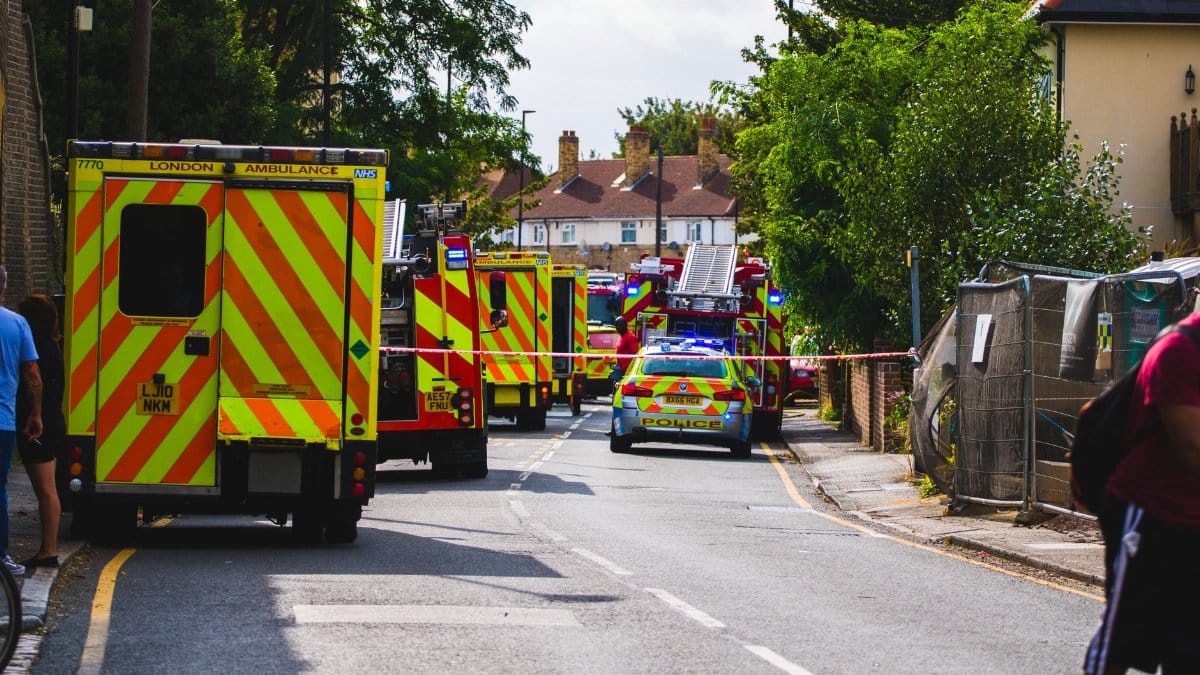
Witness accounts placed the gunfire near stages where families had gathered earlier in the evening. Two people suffered injuries while dozens more fled the area in panic. Police reports noted the event occurred despite added security measures yet questions remain about how the suspect moved through the crowd undetected.
Broader Patterns in City Violence
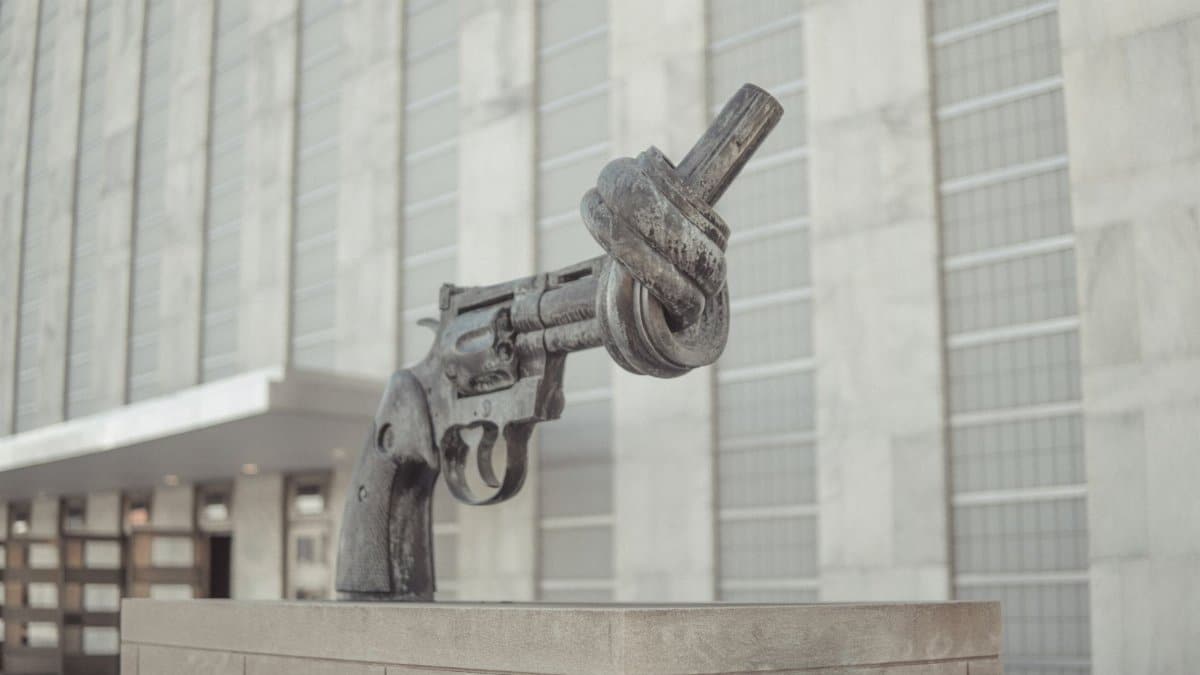
Seattle has seen an uptick in shootings during large outdoor events over the past two years. Data from the city attorney office shows many cases involve repeat offenders who cycle through the justice system without sustained intervention. This pattern suggests that enforcement alone cannot resolve the underlying issues.
Community Voices on Safety Needs
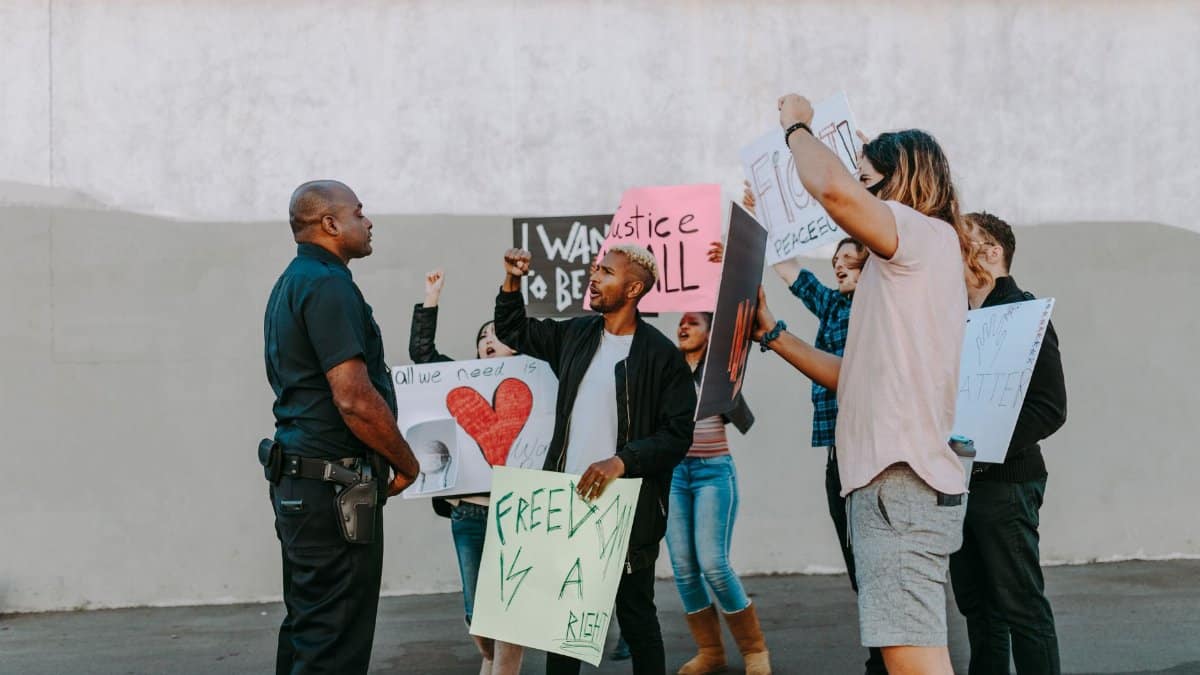
Residents in the affected neighborhood organized meetings to share concerns about youth outreach and mental health services. Several speakers noted that families feel caught between calls for more officers and demands for alternatives to policing that focus on root causes such as poverty and housing instability.
Role of Prevention Programs

City funded initiatives aimed at interrupting cycles of violence have operated with limited budgets and staffing. Advocates argue these efforts require expansion if the Public Safety Inflection is to lead to lasting change rather than temporary calm after each new incident.
Political Dynamics at Play

The exchange between Herbold and the mayor highlights tensions within the council over budget priorities. Some members favor increased funding for traditional law enforcement while others push for investments in social services. Finding common ground remains difficult amid election year pressures.
Lessons from Other Cities

Portland and Denver have tested hybrid models that combine police response teams with civilian crisis workers. Early evaluations indicate modest reductions in certain types of calls yet results vary by neighborhood and require careful oversight to maintain public trust.
Looking Ahead for Seattle Residents

The coming months will test whether the current Public Safety Inflection produces concrete policy shifts or fades into another cycle of debate. Local leaders face pressure to deliver measurable progress before the next large public event draws crowds back to the streets.