
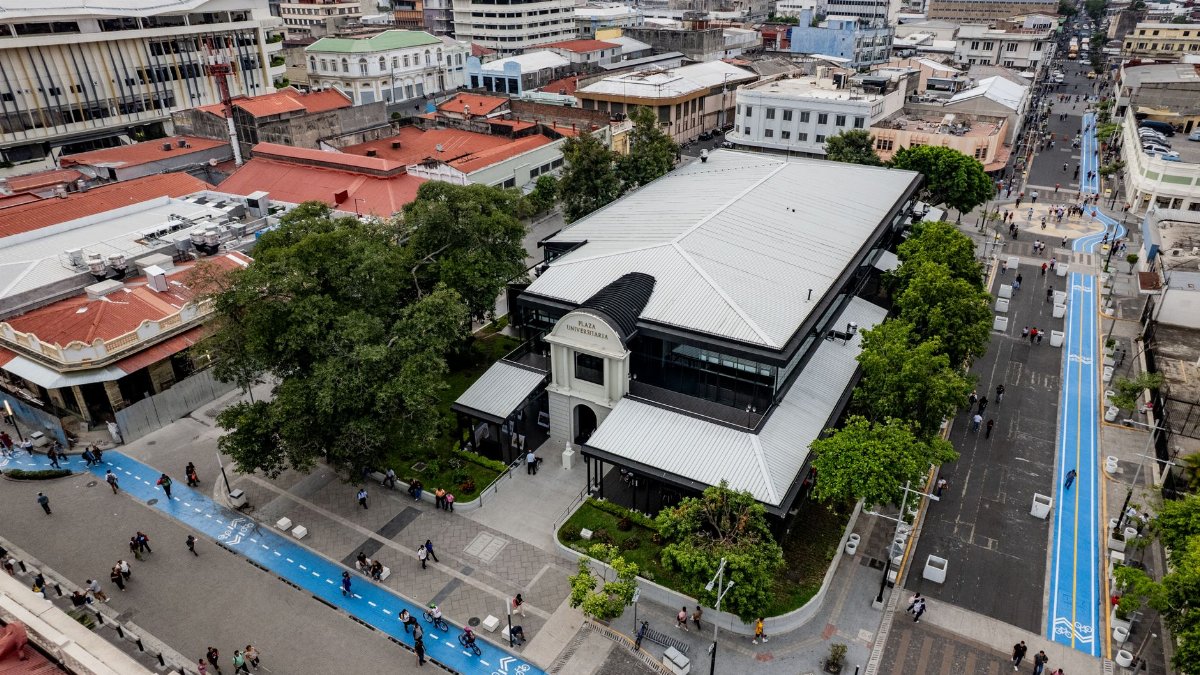
The removal of trees from a central gathering spot in San Jose has residents reflecting on how cities balance growth with memory. For generations the Circle of Palms has served as a backdrop for public events and quiet moments alike. Now a city project focused on San Jose palm removal is set to reshape the area entirely by taking out every one of the 32 palms that have stood there for decades. Officials cite safety concerns and plans for new plantings that better suit current conditions yet many locals see the move as another step in the ongoing transformation of their downtown core.
Roots of the Circle of Palms in Local History
The plaza dates back to the mid twentieth century when planners sought to create an inviting public space amid expanding urban development. Over time the palms became symbols of that era marking celebrations and protests in equal measure. Their height and symmetry gave the area a distinct identity that photographs and postcards captured for visitors from around the region.
Reasons Behind the Current Tree Clearance
City arborists examined the palms and found declining health linked to age disease and soil issues common in older plantings. Rather than risk falling branches during storms officials chose full removal followed by replanting with species adapted to local climate patterns. This approach aims to reduce long term maintenance costs while improving safety for daily users of the plaza.
Community Reactions and Public Meetings

Residents voiced mixed feelings during recent forums with some mourning the loss of familiar silhouettes against the skyline. Others welcomed the chance to refresh the space noting that new greenery could include native plants that support local wildlife better than the existing palms. Discussions highlighted a broader desire to keep the plaza as a vital community anchor amid rapid changes downtown.
Environmental Considerations in Urban Tree Management
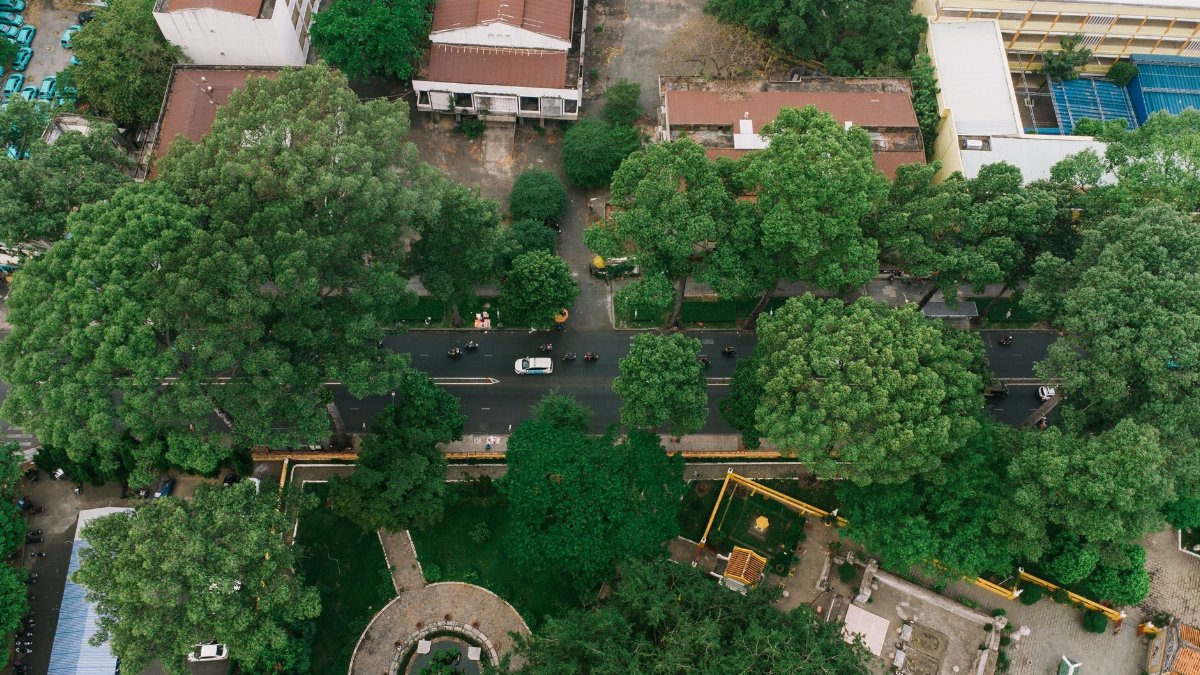
Experts point out that older palm varieties often require more water and offer limited shade compared with broader canopied trees. The shift comes as San Jose pushes sustainability goals that favor drought resistant options suited to warming temperatures. Such choices reflect wider trends in California cities where water conservation drives many landscape decisions.
Impact on Events and Daily Use of the Plaza
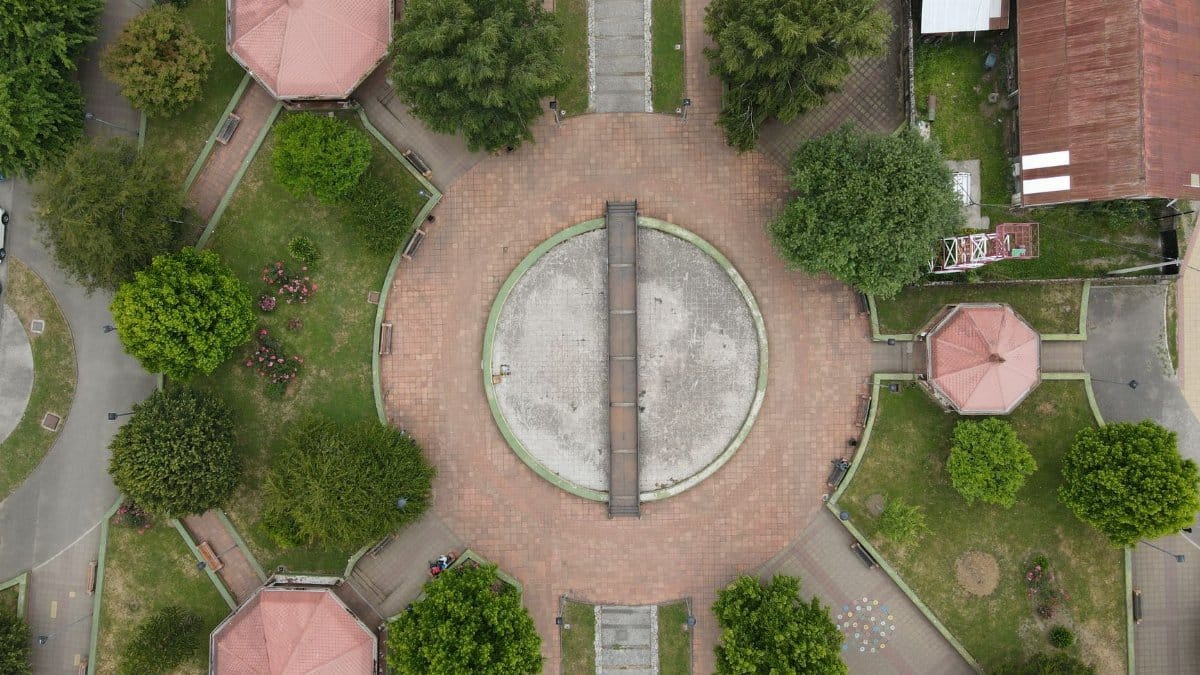
Annual gatherings from cultural festivals to farmers markets have long relied on the distinctive setting provided by the palms. Organizers now weigh how the cleared space might alter layouts or even attendance once work concludes. Temporary fencing during the project already limits access prompting questions about timing to minimize disruption to regular visitors.
Future Plantings and Design Updates Planned

Design teams have shared renderings that show a mix of new trees shrubs and open areas meant to encourage flexible use. The goal is a space that feels both modern and respectful of its past while addressing practical needs like drainage and accessibility. Input from landscape architects ensures the updates align with city standards for public spaces.
Broader Lessons for City Planning Elsewhere
Cases like this one in San Jose illustrate the tensions that arise when aging infrastructure meets new priorities. Other municipalities watch such projects for guidance on engaging residents early and communicating tradeoffs clearly. Thoughtful transitions can preserve a sense of place even as physical elements evolve over time.