
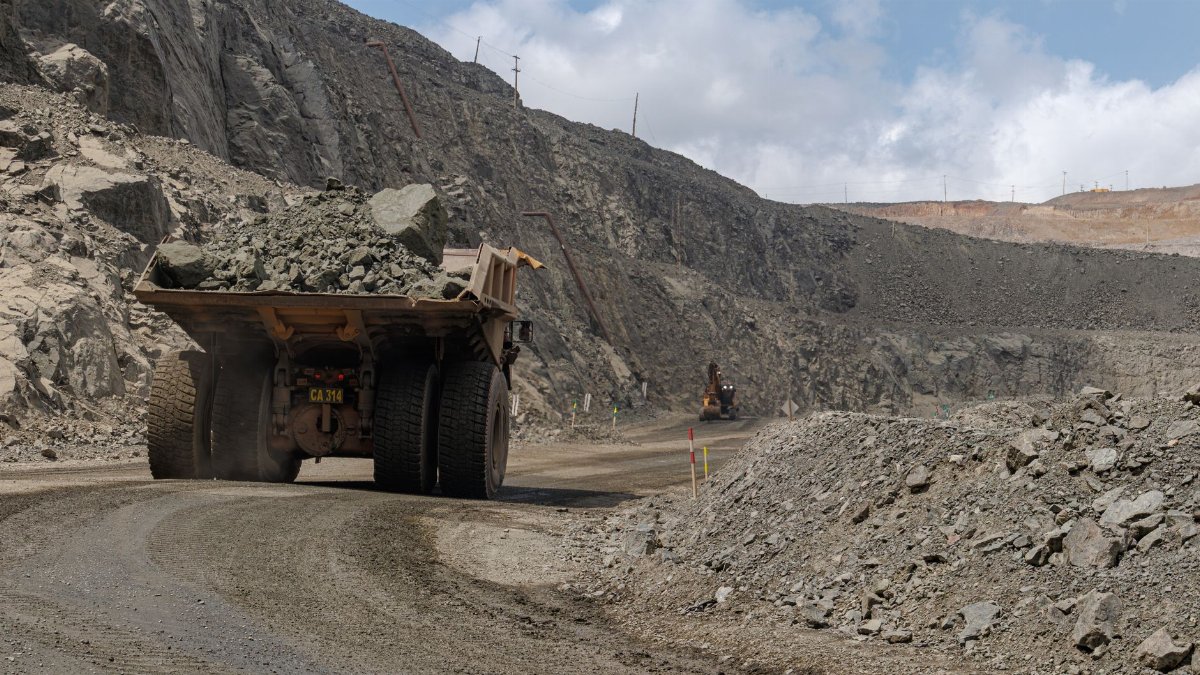
In a sunlit conference room overlooking the Mississippi River in St Paul, advisors to Minnesota Governor Tim Walz reviewed maps of the northern forests and weighed options that few expected from a leader once viewed as cautious on industry matters. The choice to block copper nickel exploration near the Boundary Waters Mining site marked a clear shift toward stronger use of executive tools, drawing attention from environmental advocates and business leaders alike who now watch how far state authority might extend in similar disputes.
Walz Shifts From Moderation to Direct Action

Observers note that the governor built his early record on compromise across party lines, yet recent moves show greater willingness to act alone when federal reviews appear slow. State regulators received orders to deny permits for projects that could affect water quality in the region, a step that bypasses some national processes. This approach tests boundaries between state and federal roles in land management without waiting for court rulings.
State Authority Over Federal Permit Reviews
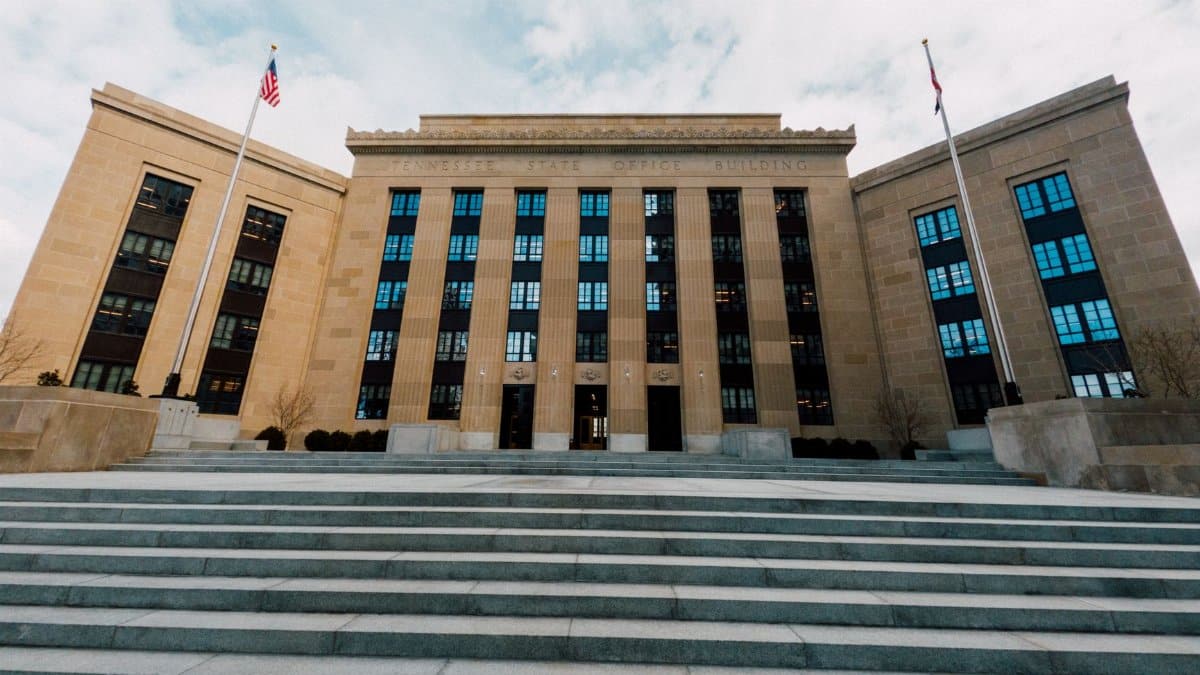
Minnesota holds unique powers to regulate water discharge and land use within its borders, powers now applied to halt progress on mining claims near protected wilderness areas. Legal experts point out that such steps rest on longstanding statutes rather than new laws, allowing quicker results than congressional action would permit. The decision avoids direct confrontation with Washington agencies while still achieving the desired pause on development.
Industry Concerns Over Investment Stability

Mining companies have voiced worries that abrupt changes in state policy could discourage future capital commitments in the upper Midwest. Executives argue that projects undergo years of study before reaching approval stages, and sudden halts raise questions about predictability for long term planning. Some firms now consider relocating portions of their exploration budgets to states with clearer regulatory paths.
Environmental Groups See Broader Precedent

Advocates for wilderness protection describe the action as a model for other governors facing similar proposals in sensitive watersheds. They emphasize that clean water flowing from the Boundary Waters Mining vicinity supports downstream communities and recreational economies that generate steady revenue. Supporters hope the example encourages additional states to examine their own regulatory tools before federal approvals advance too far.
Local Communities Weigh Jobs Against Water Quality
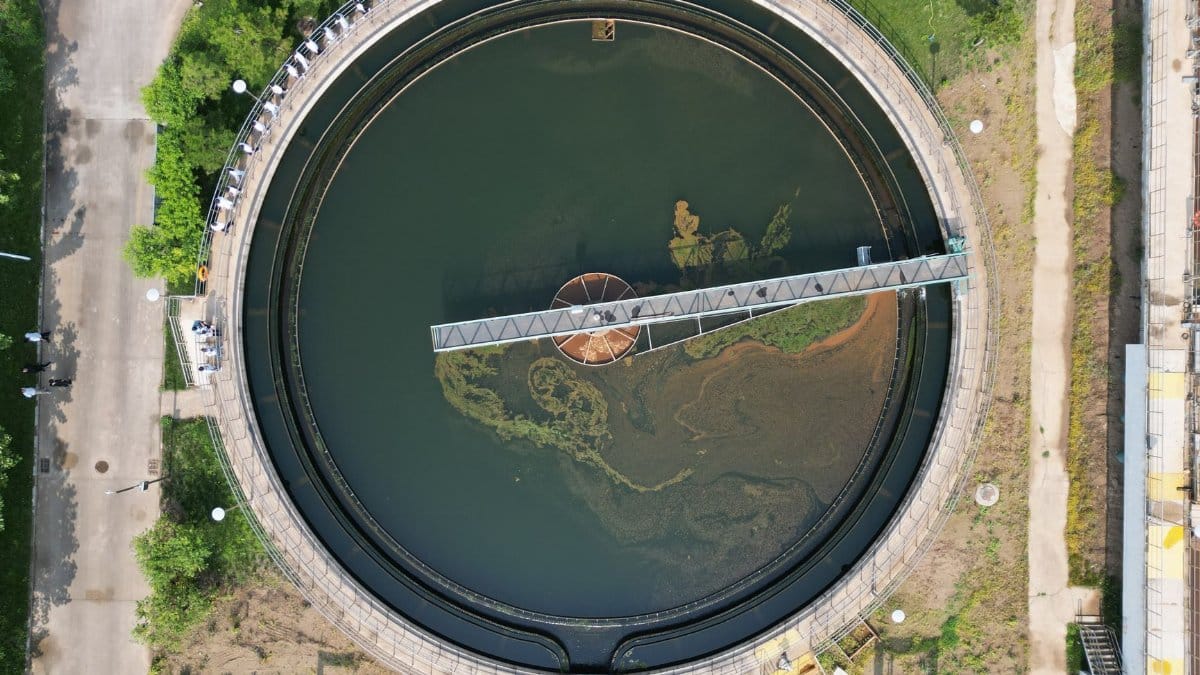
Residents in towns near the proposed sites express divided views, with some welcoming potential employment in extraction work while others fear impacts on fishing and tourism. Town hall meetings have featured presentations on both economic projections and water monitoring data collected over the past decade. Walz administration officials have attended several gatherings to explain the permit denials and answer questions about future options.
Legal Challenges Expected in Coming Months
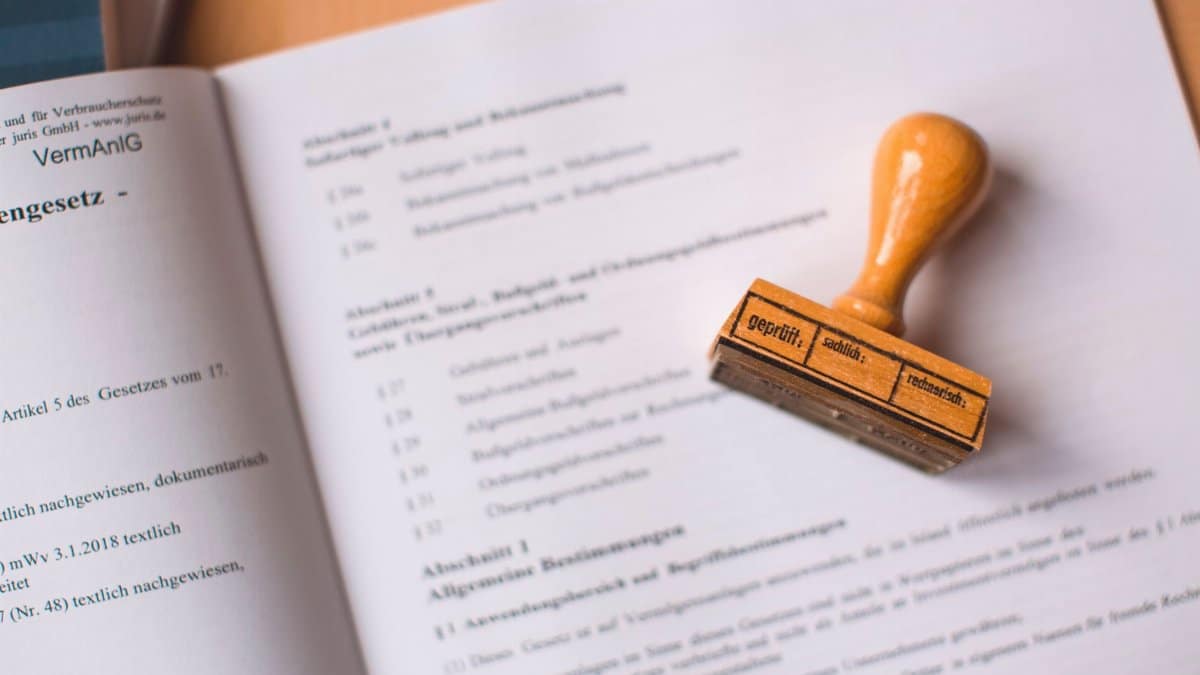
Attorneys for mining interests have signaled plans to file suits questioning whether state agencies exceeded their authority by denying permits already under federal review. Court filings could stretch into next year and might reach higher benches if initial rulings favor one side. The outcome could clarify how much latitude states possess when national environmental laws intersect with local resource decisions.
Comparison With Past Minnesota Governors

Previous administrations in the state often deferred to federal agencies on large scale mining questions or sought legislative fixes instead of unilateral steps. Walz has departed from that pattern by acting through existing executive channels, a move analysts trace to changing political pressures within his party. This difference highlights an evolution in how Democratic leaders in resource rich states handle industry requests.
National Implications for Resource Policy

Other states with similar wilderness zones now monitor the Minnesota case for signals on acceptable limits of state intervention. Policy researchers suggest the episode could influence debates in places like Montana or Idaho where comparable projects face scrutiny. The focus remains on balancing extraction needs with protection of unique natural assets that draw visitors from across the country.
Future Outlook for Similar Disputes

Walz advisors indicate additional reviews of mining applications will proceed under the same standards applied in this instance, suggesting consistency rather than one time intervention. Business organizations plan to engage lawmakers on potential statutory adjustments that might restore some predictability. The episode leaves open questions about how assertive state leaders can become before federal courts intervene.