
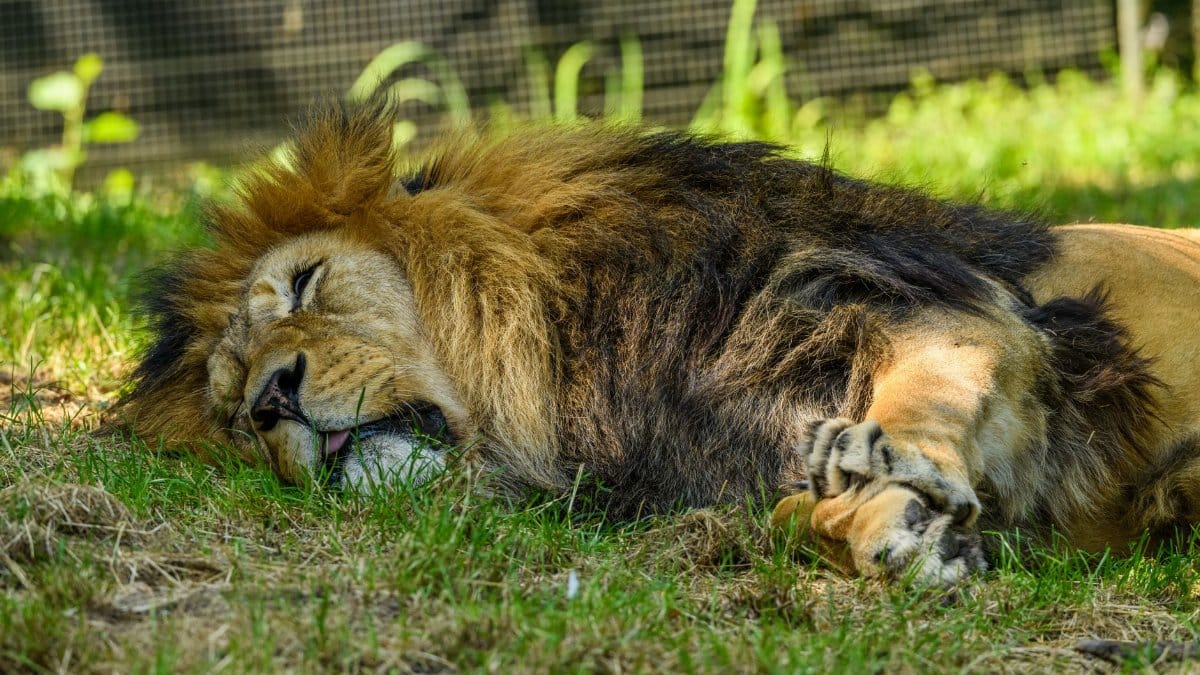
In the hushed pathways of one of the nations oldest animal collections a profound silence has settled following the loss of a creature that had long stood as a living link to distant savannas. Makini the final African lion to reside at the facility lived out his remaining seasons under attentive care before staff made the difficult choice to end his suffering. This event marks the close of an era for a place that once hosted multiple generations of the species drawing families and school groups year after year. The Philadelphia Zoo lion had become a quiet symbol of both natural majesty and the complex realities of keeping large predators in urban settings. Observers note that his absence leaves an unmistakable gap in the daily rhythm of the grounds where his roar once echoed across exhibits.
Tracing the Arrival of a Notable Resident

Makini came to the collection during a period when the institution sought to refresh its big cat program with animals selected for both genetic diversity and temperament. Handlers recall his early days as marked by cautious exploration of new surroundings and gradual acceptance of the routines that defined life behind the barriers. Over time he adapted to scheduled feedings veterinary checks and the presence of keepers who monitored his every move. His story reflects broader shifts in how modern zoos approach the housing of apex predators with greater emphasis on enrichment and space rather than mere display.
Daily Patterns That Defined His Years

Each morning began with a careful inspection of the enclosure to ensure safety and comfort. Keepers introduced novel items such as scent trails or puzzle feeders designed to stimulate natural hunting instincts even in a controlled environment. Afternoons often brought periods of rest interrupted by the sounds of nearby visitors whose reactions ranged from awe to quiet respect. Evening routines included final health assessments and adjustments to lighting that mimicked the fading sun of an African dusk. These structured days offered stability while still allowing moments of spontaneous behavior that revealed his personality.
Health Challenges in Later Seasons

As years advanced the animal experienced a gradual reduction in mobility and appetite that prompted intensified monitoring by the veterinary team. Bloodwork and imaging revealed progressive issues common to aging felines in captivity including joint concerns and organ strain. Staff weighed multiple options always prioritizing comfort over prolonged intervention. The decision process involved consultations with external specialists who reviewed records and offered perspectives on quality of life metrics. Ultimately the choice reflected a commitment to preventing unnecessary distress once recovery prospects diminished.
Reactions from the Wider Community

News of the passing spread quickly through local networks prompting messages of sympathy from longtime supporters and first time visitors alike. Social channels filled with recollections of childhood trips centered on glimpsing the powerful feline pacing his domain. Educators noted how his presence had served as an entry point for lessons on habitat loss and species preservation reaching thousands of students annually. Some observers expressed hope that the space might soon welcome new residents while others advocated for a period of reflection before any replacement.
Shifts in Exhibit Philosophy Over Time

The facility has evolved considerably since the mid twentieth century when large carnivores often occupied smaller concrete spaces with minimal stimulation. Contemporary designs incorporate natural substrates climbing structures and temperature controls that better approximate wild conditions. This progression mirrors national trends toward welfare focused standards that balance educational goals with ethical considerations. The departure of the last Philadelphia Zoo lion underscores how such changes continue to reshape what visitors encounter during a typical afternoon stroll through the grounds.
Contributions to Broader Conservation Dialogues
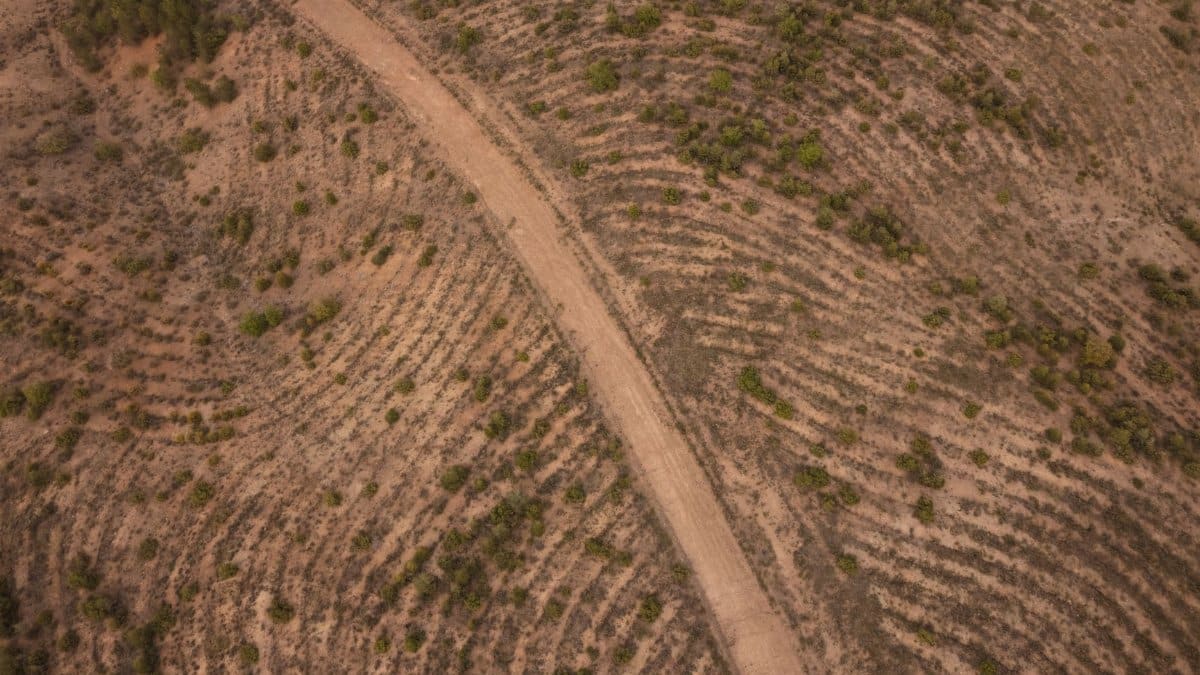
Although born in captivity the animal participated indirectly in awareness campaigns that highlighted threats facing wild populations across the continent. Graphics near his exhibit detailed population declines and anti poaching initiatives supported by the institution. School programs incorporated his story into modules on biodiversity encouraging young learners to consider their role in global stewardship. These efforts persist even after his passing as the zoo redirects resources toward other species facing similar pressures in shrinking habitats.
Memories Shared by Longtime Staff
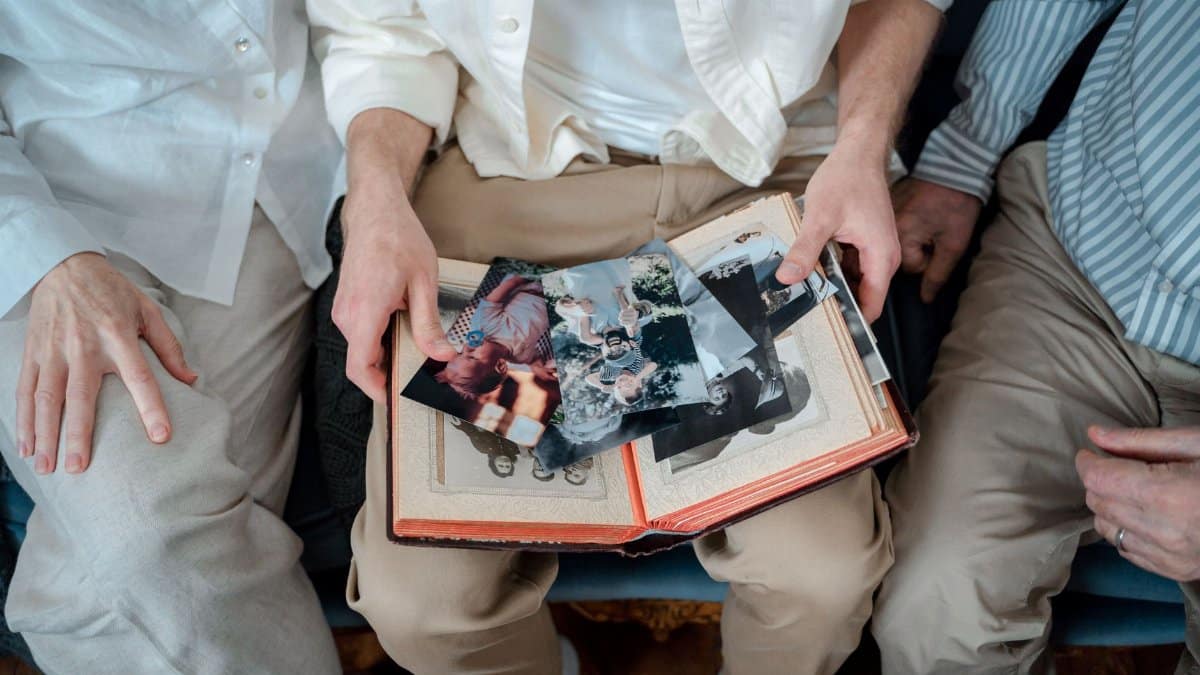
Seasoned keepers describe moments when the lion displayed unexpected curiosity toward novel objects or responded to familiar voices with a low rumble of recognition. Such interactions fostered a sense of connection that extended beyond professional duty. Retirement gatherings for veteran employees often included anecdotes about early training sessions or memorable health recoveries that strengthened bonds between human and animal. These personal accounts preserve a narrative thread that will inform future care protocols for remaining residents.
Looking Ahead to New Additions

Leadership has indicated plans to evaluate options for repopulating the space with species aligned to updated conservation priorities and visitor interests. Discussions include potential collaborations with other collections to secure animals whose presence could advance research or breeding programs. Meanwhile the grounds remain open with adjusted pathways that allow quiet contemplation near the now empty enclosure. This transitional phase offers an opportunity to reassess how the institution presents stories of resilience and adaptation in the animal kingdom.