

Recent labor market figures point to ongoing improvement in job availability throughout the sunshine state. Observers note that this pattern of the Florida unemployment rate decline aligns with steady hiring in key industries and a gradual return to prepandemic workforce levels. Families across coastal and inland communities alike have started to feel more secure about their income prospects as opportunities multiply in both urban centers and growing suburbs. The trend comes amid national discussions on economic resilience yet stands out for its consistent monthly progress without relying on temporary boosts from any single sector.
Employment Gains Across Major Cities

Cities such as Miami Orlando and Tampa continue to report strong hiring activity in professional services and logistics. Local chambers of commerce highlight how expanded port operations and warehouse developments have drawn new applicants from nearby areas. This sustained activity supports the Florida unemployment rate decline by absorbing workers who had been sidelined during earlier slowdowns. Business owners describe a shift toward longer term staffing plans rather than seasonal contracts alone.
Role of Tourism Recovery

Visitor numbers have climbed steadily contributing fresh positions in hospitality and retail. Hotels and theme parks report renewed demand for roles ranging from guest services to maintenance crews. Such expansion plays a direct part in the Florida unemployment rate decline as thousands of positions fill each quarter. Analysts observe that international travel rebounds add further stability to these gains.
Construction Sector Momentum

Home building and infrastructure projects have accelerated in response to population inflows. Crews work on residential developments and roadway improvements that require skilled tradespeople. This activity reinforces the Florida unemployment rate decline by creating openings for both experienced professionals and those entering the field through apprenticeships. Supply chain adjustments have helped keep projects on schedule.
Impact on Household Finances

Lower joblessness allows more residents to cover essential costs without dipping into savings. Surveys from community organizations indicate improved confidence in meeting mortgage or rent obligations. The Florida unemployment rate decline therefore reaches beyond statistics to influence daily decisions about education and healthcare access. Many households report greater ability to plan for future expenses.
Comparisons With National Figures
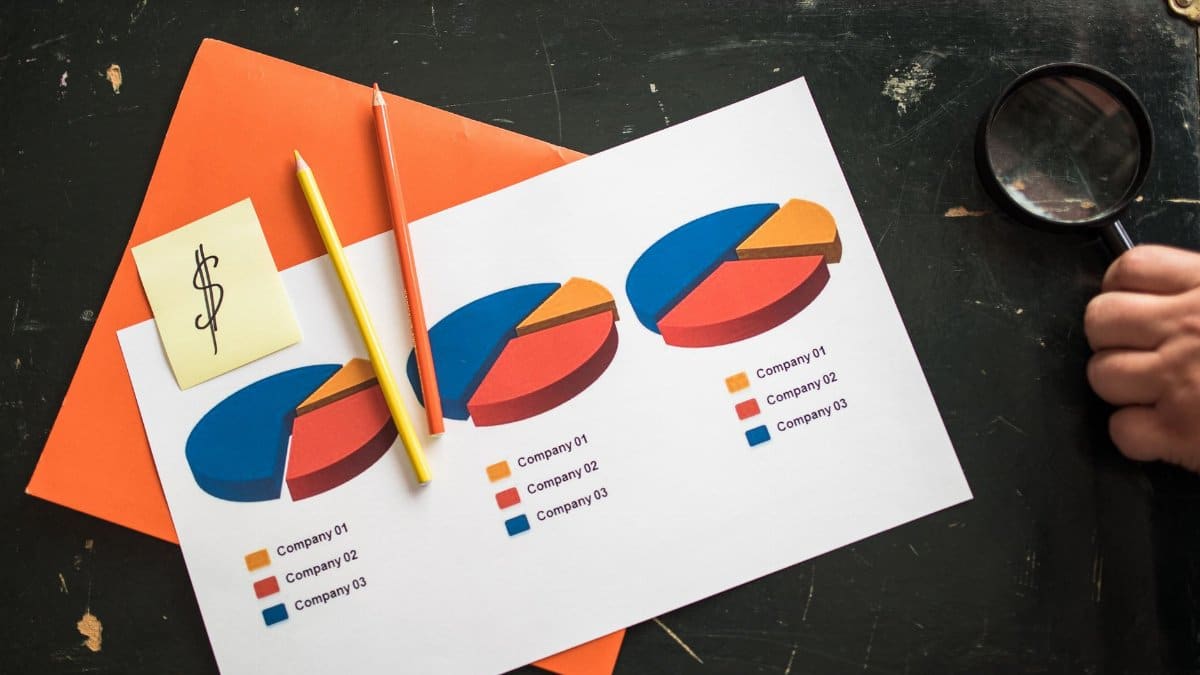
Statewide progress outpaces some other regions where recovery has moved more slowly. Federal data sets place Florida among leaders in month over month workforce expansion. This context underscores how the Florida unemployment rate decline reflects localized strengths in business formation and migration patterns. Observers note differences in industry mix as one contributing factor.
Challenges for Smaller Employers
Independent shops and restaurants sometimes struggle to match wages offered by larger corporations. Owners describe difficulty retaining staff amid rising living costs in popular areas. Despite these hurdles the overall Florida unemployment rate decline provides a backdrop that encourages workforce development programs aimed at smaller operations.
Outlook for Coming Quarters

Forecasts suggest continued moderation in joblessness provided no major disruptions occur in supply chains or consumer spending. Economists emphasize the importance of training initiatives to match emerging skill requirements. Sustained attention to these areas could extend the Florida unemployment rate decline into the next fiscal period.
Regional Differences in Growth

Northern counties show distinct patterns compared with southern population centers. Agricultural communities benefit from processing plant expansions while technology corridors attract remote workers. These variations shape how the Florida unemployment rate decline manifests at the local level and influence policy priorities for workforce boards.
Support Programs and Training

State agencies have expanded access to certification courses in high demand fields. Participants often transition quickly into roles that offer advancement potential. Such efforts complement the Florida unemployment rate decline by preparing residents for positions that align with long range economic shifts. Partnerships with community colleges prove especially effective in matching applicants to openings.