
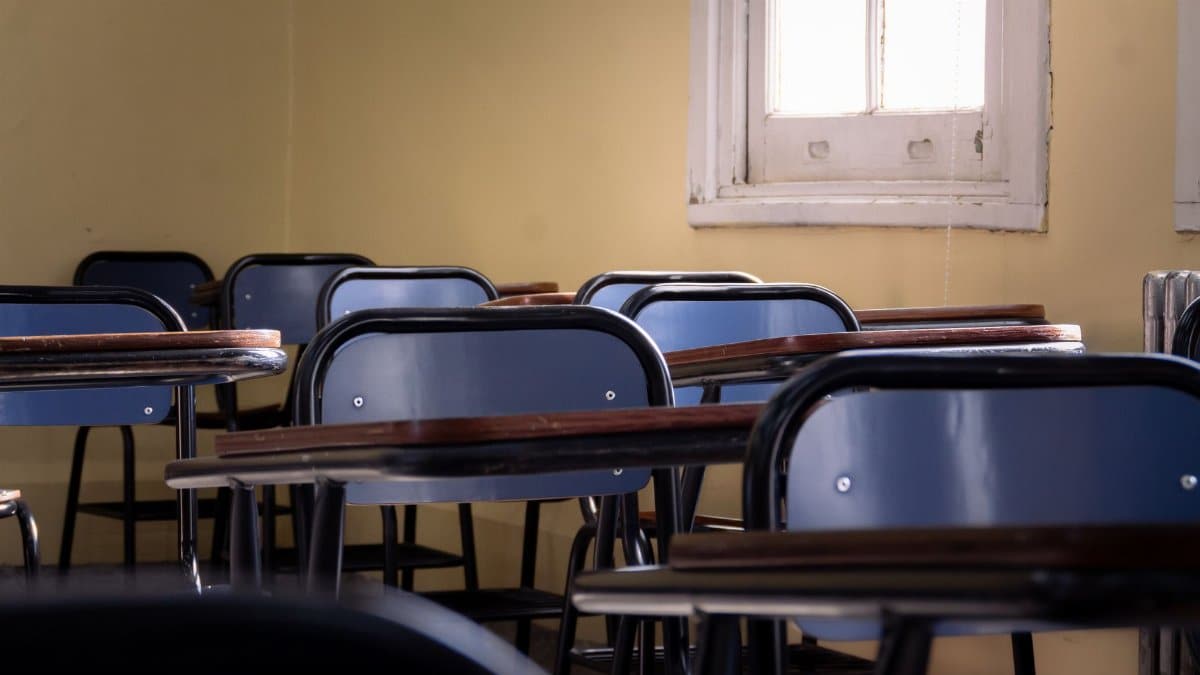
In Philadelphia public schools confront a striking imbalance. Thousands of classrooms sit empty even as officials move forward with a costly commitment for one specific building in Center City. This choice highlights ongoing tensions around how resources get allocated when enrollment has dropped sharply over the past decade. The Constitution High lease stands at the center of recent board discussions and raises questions about priorities within a system already stretched by maintenance needs and shifting student populations.
Reviewing the Decision Behind the New Agreement

Board members approved spending up to seven million dollars over four years to keep Constitution High in its current location. The move came despite repeated warnings from facilities planners about excess capacity elsewhere. Supporters argued that the school provides unique programs in law and government that attract families from across the region. Critics countered that similar offerings could be housed in existing buildings without new costs.
Understanding Enrollment Patterns Across the District

Student numbers have fallen steadily for years as families move to suburbs or choose charter options. District data show roughly seventy thousand unfilled seats in buildings that still require heating, cleaning and security. This surplus has prompted calls for closures and consolidations yet progress remains slow due to community pushback and complex real estate issues.
Considering the Role of Specialized Programs
Constitution High draws students interested in civic education and internships with local courts and agencies. Administrators say these partnerships depend on proximity to downtown offices and transit lines. Relocating could disrupt those connections according to staff who have built the curriculum over more than a decade.
Assessing Budget Pressures on Daily Operations

The district faces rising expenses for special education transportation and building repairs. Adding a long term lease increases fixed costs at a moment when state funding remains uncertain. Finance staff presented several scenarios during public meetings yet the board ultimately favored continuity for this one site.
Exploring Community Reactions and Local Voices
Parents and alumni gathered at recent hearings to defend the school. Many described personal experiences with its small classes and college preparation focus. Nearby residents expressed frustration that money could instead support neighborhood schools facing overcrowding or outdated equipment.
Looking at Past Facility Planning Efforts

Earlier master plans called for reducing the overall footprint of district properties. Several large buildings have already been sold or repurposed. The current lease approval appears to mark a departure from that direction at least for the immediate future.
Examining Comparisons With Other Urban Districts

Cities such as Chicago and Baltimore have also struggled with empty seats while maintaining select programs in expensive locations. Philadelphia officials have studied those cases yet local politics and union rules add distinct complications to any closure process.
Projecting Future Needs for Student Housing

Demographic forecasts suggest enrollment may stabilize or even rise slightly in certain neighborhoods. Planners caution against locking in high rents without flexibility to adjust if population trends shift again within the next five to ten years.