
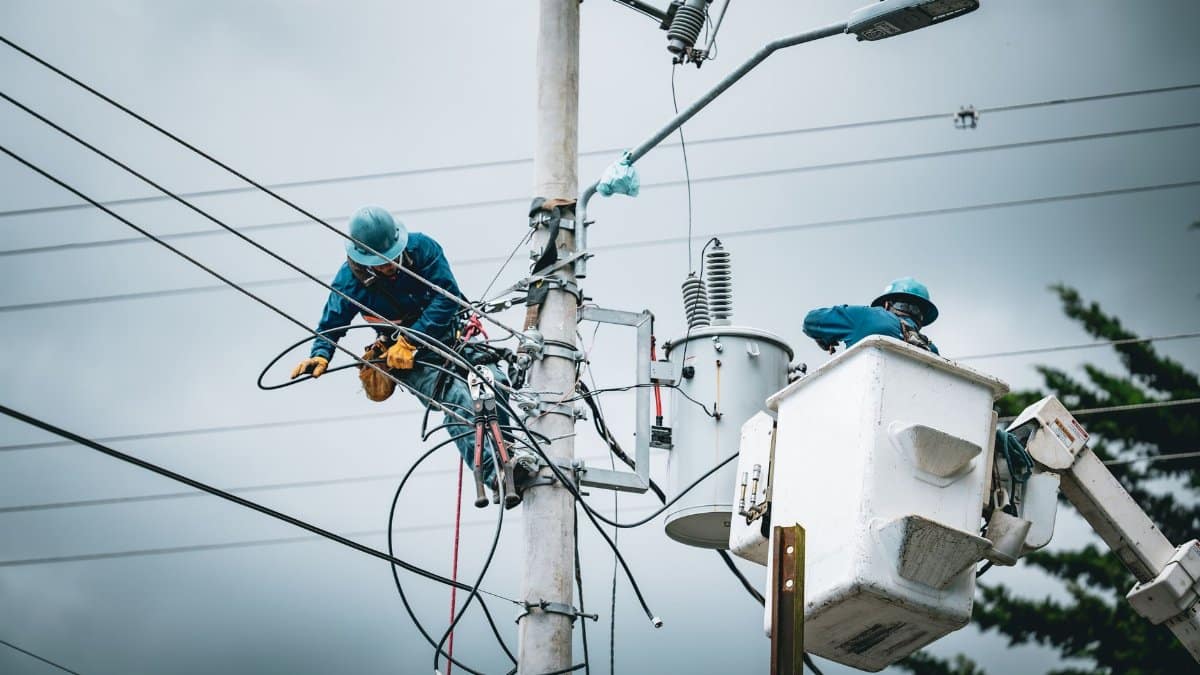
In recent years residents across Seattle have faced repeated disruptions from failing electrical systems that trace their origins to planning choices made in the middle of the last century. These Seattle power outages have left homes dark and businesses halted while highlighting how neighborhood wealth still shapes who gets reliable service and who waits longer for repairs. The pattern reflects old decisions on where to bury cables and where to rely on overhead lines exposed to storms and falling trees. Wealthier areas received more protected infrastructure at the time while other districts did not. Today the costs to modernize the older underground networks run into billions and raise questions about fairness in how upgrades are funded and scheduled. City records show that some affluent zones continue to benefit from earlier investments even as the systems age past their intended lifespan.
Origins of Uneven Electrical Networks
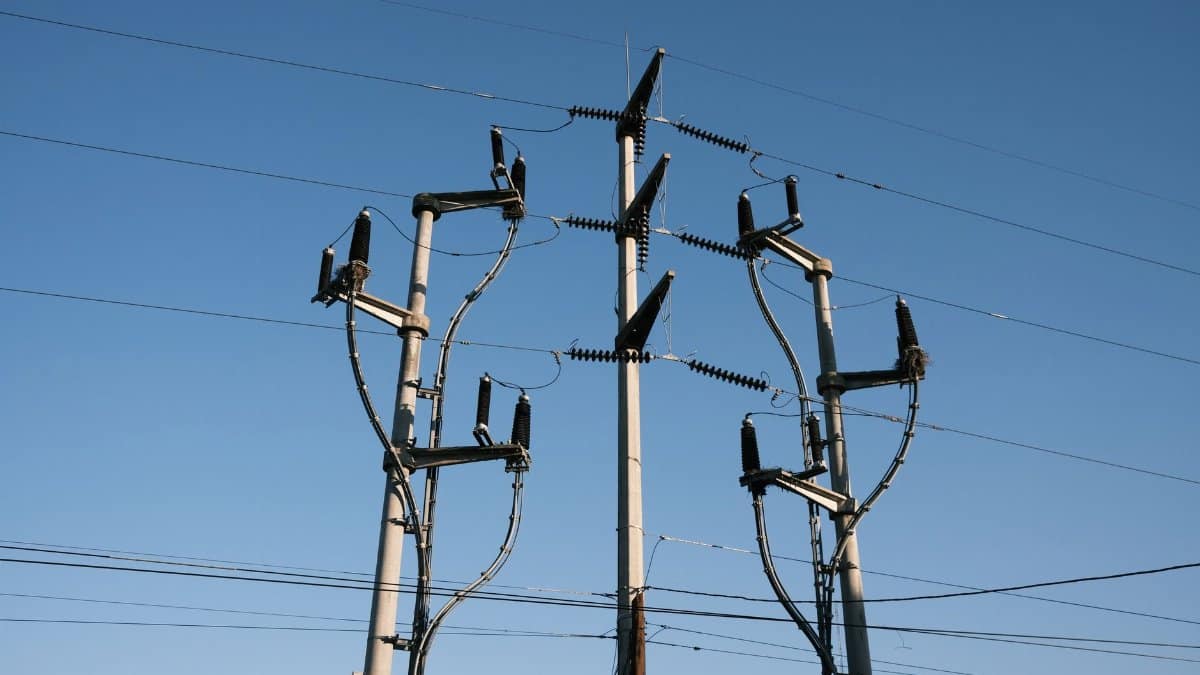
During the postwar building boom planners favored certain districts for advanced cabling methods. Underground lines were installed in places expected to grow in value while other areas received standard poles and wires. This approach created lasting differences in outage frequency and restoration speed. Neighborhoods with buried cables faced fewer weather related interruptions yet paid higher fees over time for maintenance of those hidden systems.
Current Costs of Cable Replacement
Utility estimates place the bill for updating the remaining underground segments above two billion dollars. Engineers note that many cables from that era have reached the end of reliable service and now cause frequent faults. Funding these projects requires rate increases that affect all customers even when benefits remain concentrated in original installation zones.
Impact on Daily Life for Residents
Blackouts interrupt work from home arrangements and spoil food in refrigerators during warm months. Families in affected blocks describe repeated calls to report the same problems with little visible progress on fixes. Schools and clinics also lose power at times forcing temporary closures that disrupt community routines.
Role of Weather in Exposing Weak Points

Storms and high winds continue to test overhead lines more severely than buried ones. Yet even protected cables fail when joints degrade or water seeps into aging insulation. The combination of climate patterns and material fatigue has increased the number of reported Seattle power outages in recent seasons.
Debates Over Funding Fairness
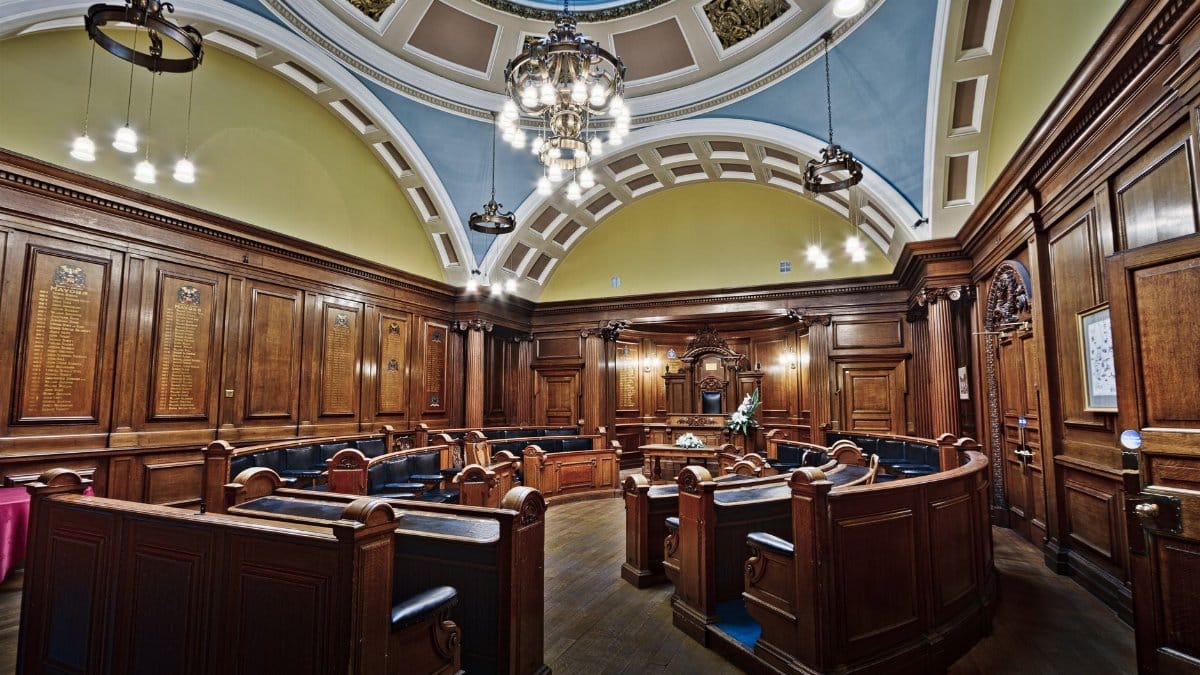
City council discussions often center on whether property taxes or uniform utility rates should cover the upgrades. Advocates for lower income districts argue that past advantages should not determine future priorities. Others contend that technical needs must guide the sequence of work regardless of neighborhood income levels.
Comparisons With Other Cities
Similar challenges appear in places that expanded rapidly after the second world war. Some have adopted new financing models that spread costs across generations of users. Seattle officials have studied these examples while weighing local political constraints and existing debt obligations.
Future Planning and Equity Goals

Updated maps of outage data now guide decisions on which feeders to replace first. Planners aim to balance reliability improvements with efforts to reduce historical gaps. Public meetings allow residents to share experiences and influence the order of projects though final choices rest with technical and budget reviews.
Long Term Outlook for Service Reliability

Complete modernization could take more than a decade given the scale of the work and supply chain limits on specialized equipment. In the meantime crews focus on targeted repairs to reduce the duration of each event. Observers expect Seattle power outages to decline gradually as segments are renewed though full parity across districts remains a distant target.