
The passing of a baseball icon brings to mind the remarkable advances in sports medicine that have prolonged many athletic careers. Tommy John spent decades on the mound before and after facing a serious injury that threatened to end his time in the major leagues. His resilience in the face of physical setbacks inspired generations of players and doctors alike. Now with his death at eighty three the legacy of that innovation called Tommy John surgery continues to influence how athletes approach elbow issues.
The Origins of a Medical Breakthrough
Decades ago an elbow injury often meant the end for a professional pitcher. Surgeons at the time had limited options for repairing torn ligaments in the arm. A young doctor named Frank Jobe took a bold step by adapting techniques from other parts of the body. The operation he performed on Tommy John in nineteen seventy four became the first of its kind in baseball. Recovery took more than a year yet the pitcher returned to the field with renewed strength. This success opened doors for countless others facing similar damage.
How the Procedure Revolutionized Sports Medicine
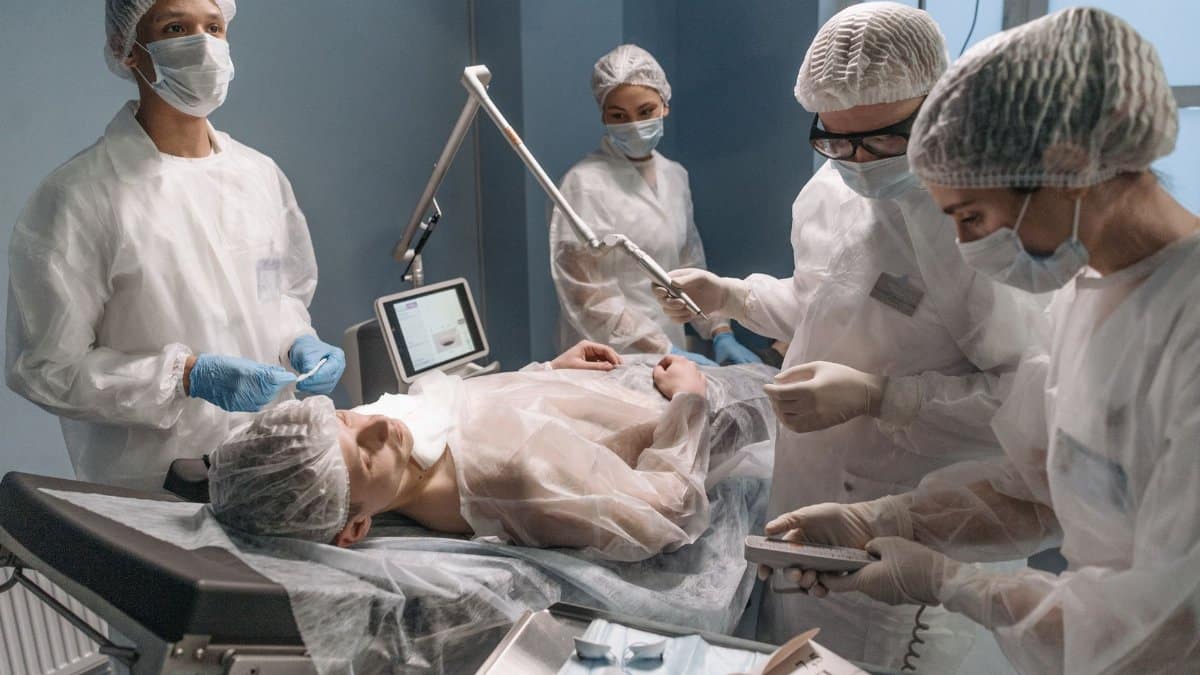
Before this innovation many athletes retired early due to elbow pain that could not be fixed. The surgery involves replacing a damaged ligament with a tendon from elsewhere in the body. Over time refinements in technique reduced recovery periods and improved success rates. Today it stands as a standard option discussed in training rooms across the country. Medical teams now combine it with better conditioning programs to prevent initial injuries. The change has allowed players to extend their time in the sport by several seasons on average.
Tommy Johns Impact on Modern Baseball

Players today view the operation as a reliable path back to competition rather than a last resort. Data from team physicians shows hundreds of procedures performed each year in the major leagues and minors. Pitchers who undergo it often regain velocity and control that once seemed lost. Coaches emphasize careful monitoring of pitch counts to protect the repaired elbow. The name attached to the method serves as a reminder of one mans determination to keep playing. Families of young athletes now research the process with greater confidence because of visible examples from the past.
Recovery Challenges Athletes Face Today
Even with advances the months after surgery demand patience and disciplined rehabilitation. Patients begin with gentle movements and progress to throwing programs under close supervision. Some report stiffness that lingers for years while others regain full motion within the first season. Support from trainers and family members plays a key role in mental outlook during this period. Teams invest in specialized facilities to guide the process and track progress through regular scans. The goal remains a return to peak performance without rushing the healing tissues.
Prevention Efforts in Youth Leagues
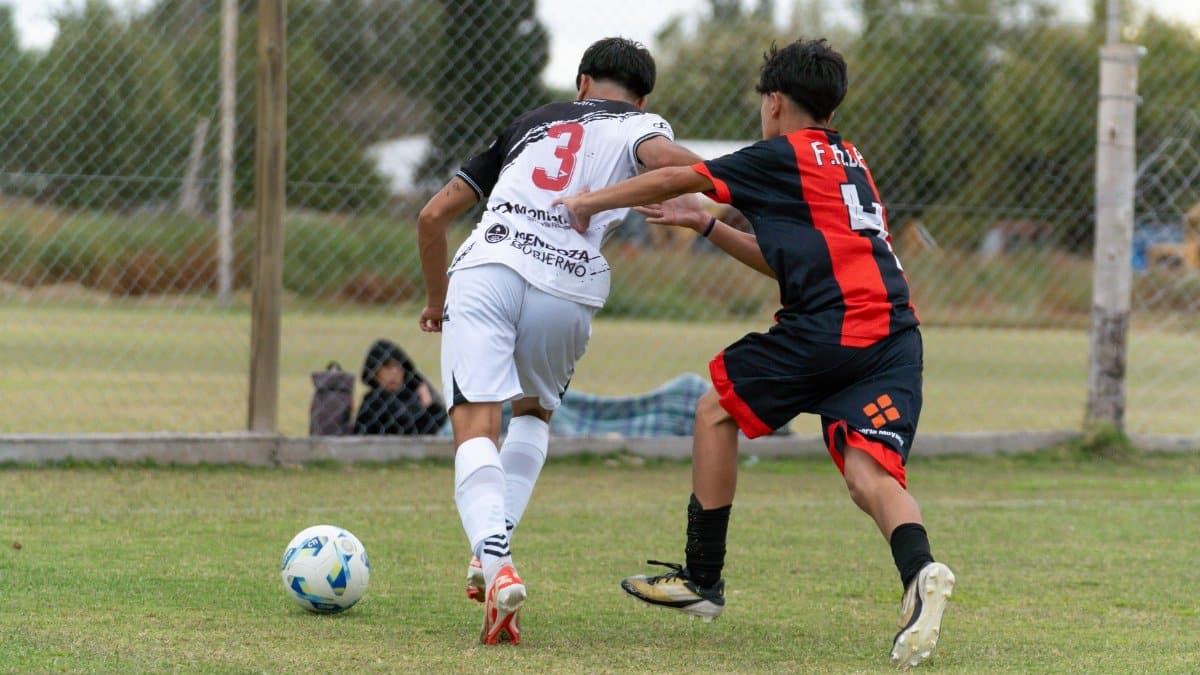
Concern over rising injury rates has led coaches in schools and travel teams to adopt stricter guidelines. Pitch count limits and mandatory rest days aim to protect developing arms from overuse. Education programs teach proper mechanics and the risks of year round throwing without breaks. Parents learn to watch for early signs of discomfort before problems become severe. These steps reflect a broader shift toward long term health rather than short term wins on the field. Communities across the nation have embraced such measures as part of responsible sports involvement.
Future Directions for Elbow Care
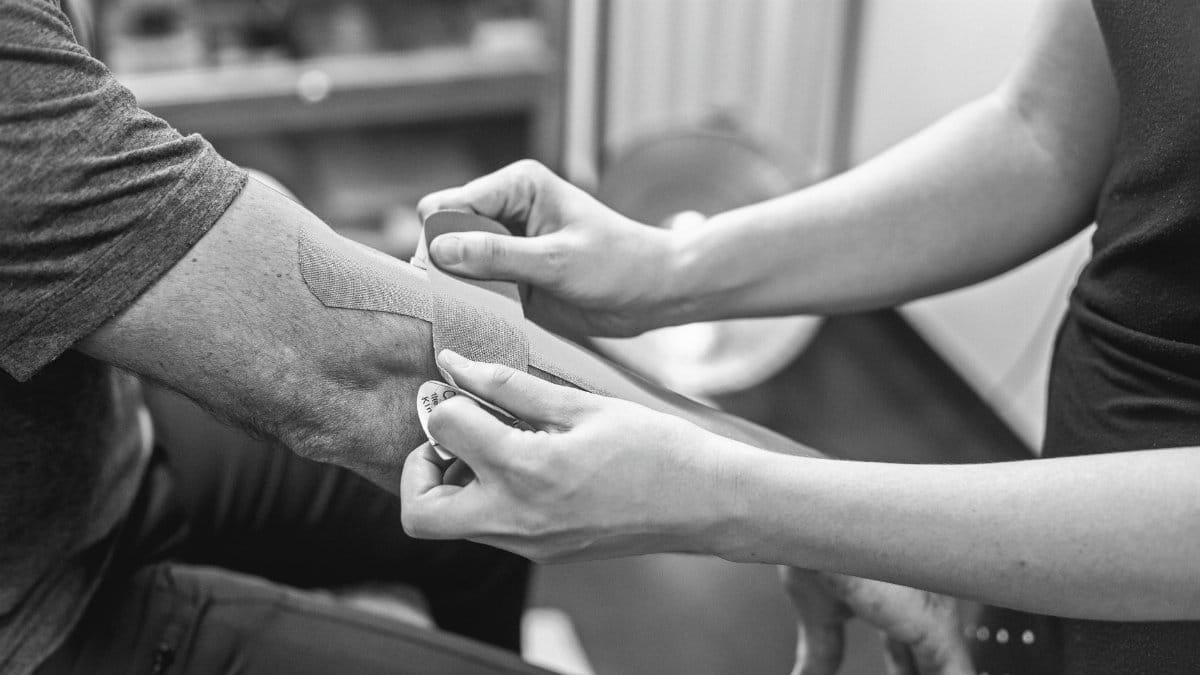
Researchers continue to explore biologic options that might one day replace traditional tendon grafts. Stem cell therapies and improved imaging promise earlier detection of ligament stress. Surgeons experiment with smaller incisions that could shorten hospital stays and reduce scarring. Collaboration between orthopedic specialists and sports scientists drives these developments forward. The focus stays on helping athletes of all ages maintain active lives without repeated setbacks. Ongoing studies track outcomes to refine best practices for the next generation of players.
Personal Stories from the Field

Many former pitchers describe the moment they learned surgery offered a second chance. One recalls the fear of never throwing again followed by gradual hope during therapy sessions. Another notes how the experience changed his approach to training and rest in later years. These accounts highlight the human side of medical decisions that statistics alone cannot capture. Shared experiences foster a sense of community among those who have faced the same diagnosis. Such narratives keep the story of the original patient alive in conversations around the game.