
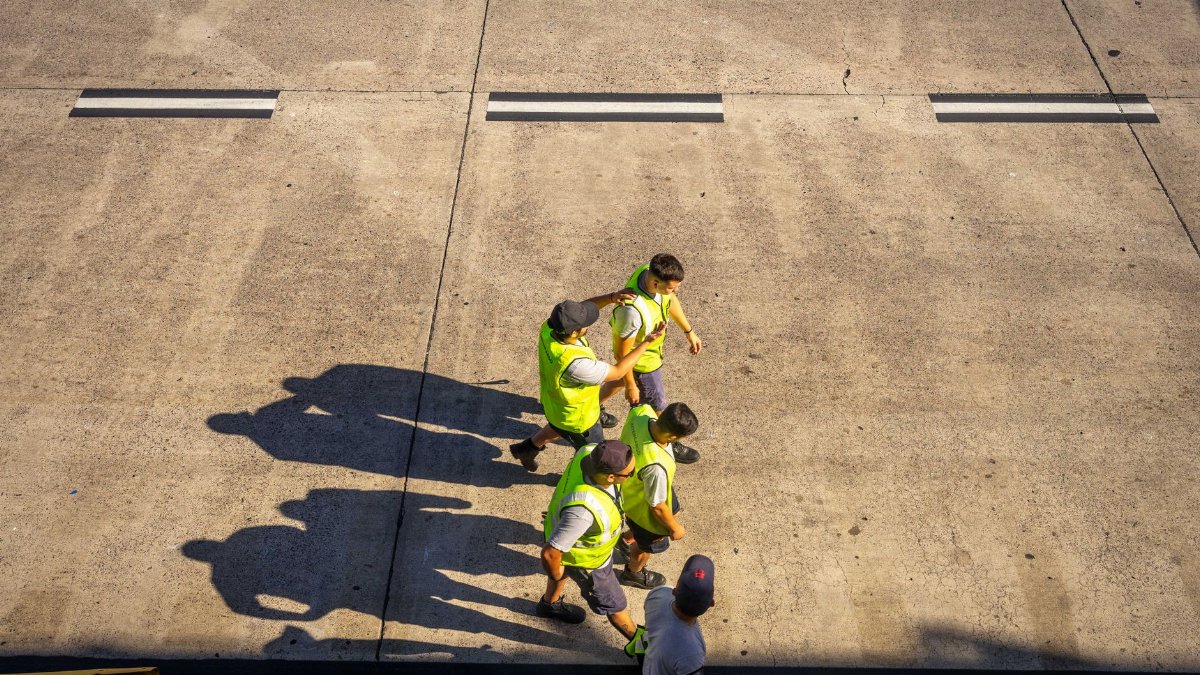
In the crowded terminals of major airports, staff members handle everything from security checks to luggage transport while facing long shifts and demanding conditions. Recent developments in Houston highlight how airport worker raises are reshaping compensation for these essential roles, with new policies promising substantial increases that could reach twenty three dollars per hour within a few years. This change arrives amid broader discussions about fair pay in service industries where many employees support families on modest incomes. Observers note that such adjustments may influence similar efforts elsewhere, reflecting evolving priorities around worker support in public facilities.
Executive Order Drives Compensation Changes

Mayor John Whitmire issued an order that sets a path for gradual wage growth at the city’s airports. The plan aims to lift minimum pay levels over time, creating a structured approach that avoids sudden disruptions to operations. Airport staff members welcome the move as recognition of their contributions to keeping facilities running smoothly for millions of passengers each year.
Background on Current Wage Levels

Many airport positions in Houston have paid around fifteen dollars per hour in recent periods. This figure often falls short when compared to living costs in a growing urban area with high demand for housing and transportation. Employees frequently combine multiple jobs to cover basic needs, highlighting ongoing challenges in the sector.
Projected Path to Twenty Three Dollars

Under the new framework pay will climb step by step until it hits the target amount by the year 2028. This timeline allows businesses and city budgets to adjust without major interruptions. The total increase represents a notable shift that could improve retention rates among experienced workers who know the facilities well.
Impact on Daily Operations

Higher compensation may encourage more consistent staffing across shifts, reducing turnover that sometimes leads to delays or service gaps. Passengers could notice smoother processes at check in counters and gate areas as teams feel greater stability in their roles. Airport management expects these adjustments to support reliable service during peak travel seasons.
Comparisons With Other Cities

Several major hubs across the country have explored similar wage policies in recent years. Places like Los Angeles and New York have seen airport contractors adopt higher minimums, often resulting in fewer complaints about understaffing. Houston now joins this group with its own timeline tailored to local economic conditions.
Reactions From Workers and Unions
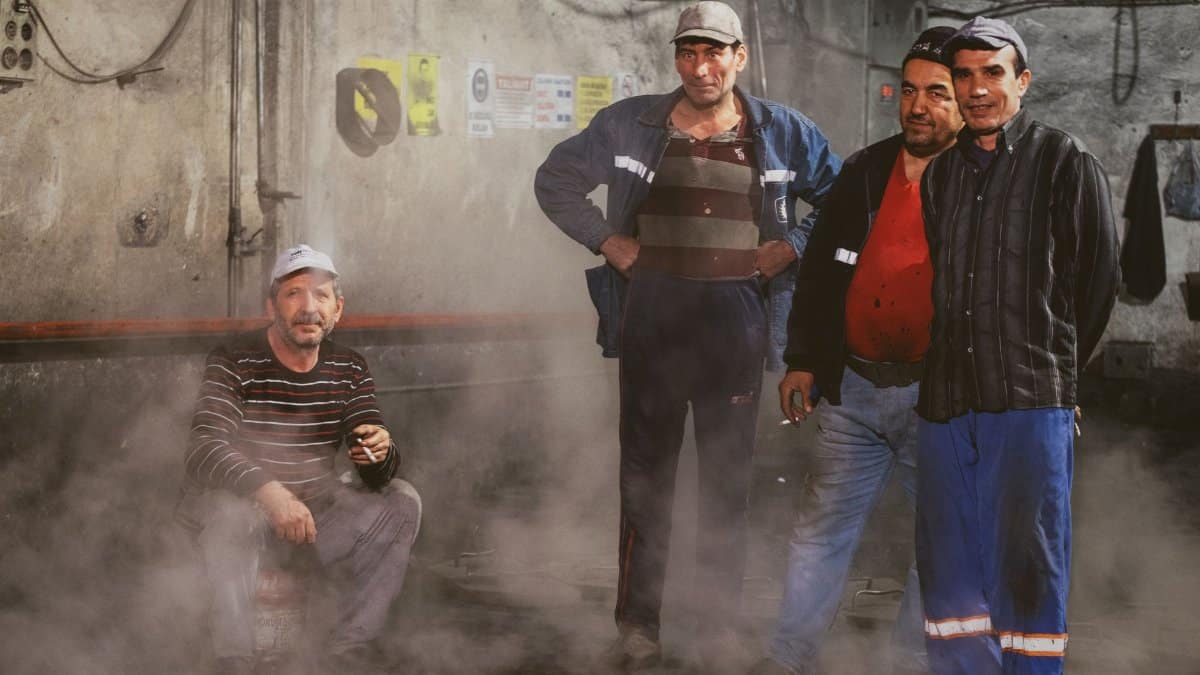
Employee groups express cautious optimism about the upcoming adjustments. Many describe the changes as a step toward greater respect for labor that keeps aviation infrastructure functioning. Union representatives point out that sustained advocacy helped bring attention to these issues over multiple contract discussions.
Economic Ripple Effects

Local businesses near the airports may benefit as workers gain more spending power for meals, retail purchases, and other necessities. The broader community could see indirect gains through reduced reliance on public assistance programs for low wage households. Economists suggest these dynamics often create positive cycles in service heavy regions.
Challenges in Implementation

Contractors operating at the facilities must align their budgets with the rising pay scales. Some smaller vendors worry about passing costs along through higher fees for services like food concessions or cleaning contracts. City officials plan monitoring efforts to ensure compliance across all involved parties.
Future Outlook for Airport Employment

These airport worker raises could set precedents for other public sector roles in transportation and hospitality. As travel volumes recover and expand, sustained attention to compensation may help attract younger workers to the field. Longterm success depends on continued dialogue between management, staff, and local leadership.
Broader Context of Labor Trends

National conversations about minimum wages continue to evolve with input from various stakeholders. Airports serve as visible testing grounds because of their high visibility and essential status. Houston’s approach offers one model that balances ambition with practical rollout considerations.