
Mike Lindell the well known pillow maker and conservative activist has once more drawn notice by questioning the integrity of a vote count. Following his second place finish in the race for the Republican nomination for Minnesota governor he pointed to supposed problems in how ballots were handled. These Lindell fraud claims mirror earlier assertions from national elections and continue to stir debate among those who follow his public statements closely. With Lisa Demuth claiming victory the episode highlights ongoing tensions over election procedures in an era of deep partisan divides.
Details of the Recent Primary Outcome

The contest unfolded in a state where Republican voters chose their standard bearer for the governors office. Demuth a sitting lawmaker built a strong coalition that carried her past several rivals including Lindell. Official tallies showed her with a clear lead while Lindell trailed in a manner that surprised some of his backers. Turnout remained modest yet steady across most districts.
Lindell Background and Public Persona

Lindell built his career selling bedding products through direct response advertising before becoming a fixture at political gatherings. His open expression of faith has often shaped his commentary on cultural matters and he frequently links personal beliefs to broader calls for national renewal. Supporters view him as an outsider willing to challenge established powers while critics see his approaches as disruptive.
Context Around Election Integrity Discussions

Questions about vote accuracy have persisted in various state and federal races over the past decade. Advocates on one side emphasize the need for stricter verification steps while others stress the resilience of existing safeguards. Lindell fraud claims fit into this larger conversation by amplifying doubts even when reviews by officials find no widespread problems.
Reactions from Party Figures and Voters
Fellow Republicans offered measured responses with some urging focus on the upcoming general election. Demuth herself stressed unity and moved quickly to outline her platform priorities. Among everyday voters the outcome prompted conversations in local meetings and online forums about what comes next for the state party.
Faith Elements in Contemporary Politics
Lindell often weaves spiritual themes into his remarks suggesting that moral clarity should guide civic engagement. This approach resonates with audiences who see politics as an extension of religious conviction. In this instance his statements after the primary reflected a similar blend of personal belief and public assertion.
Media Coverage Patterns and Public Reach
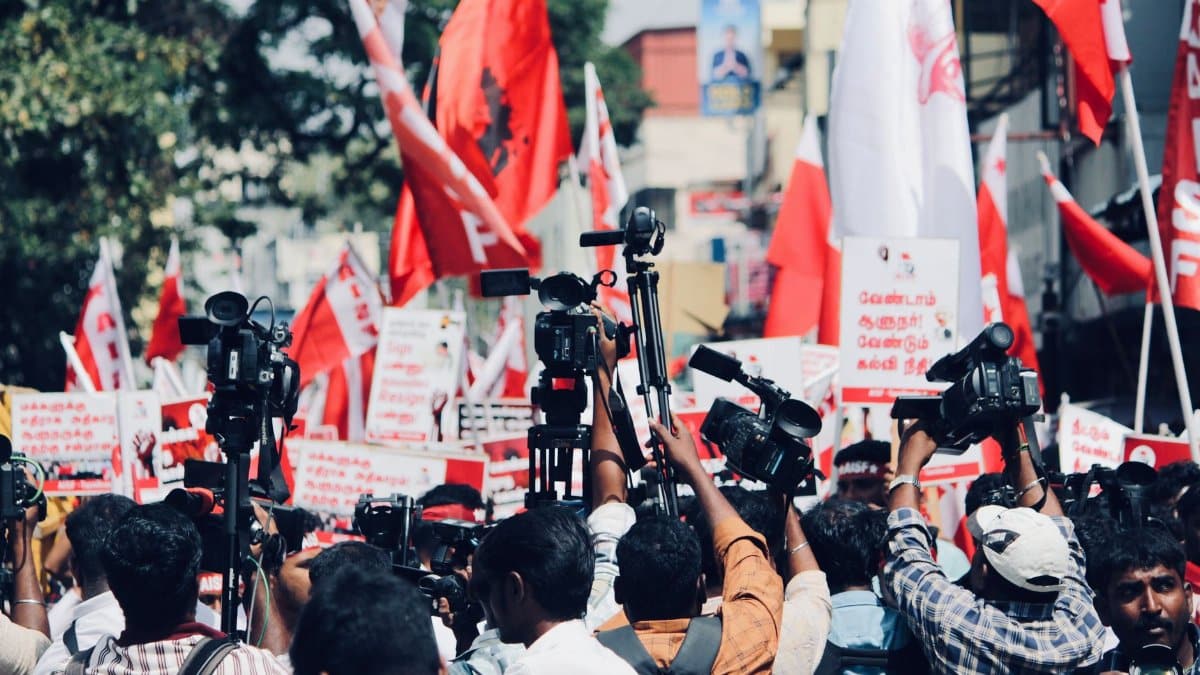
Traditional outlets reported the primary results with standard emphasis on vote margins and candidate statements. Alternative platforms gave greater space to Lindell fraud claims and allowed extended discussion of his perspective. Such divergence in coverage illustrates how information flows differently depending on the channel.
Potential Effects on Future Campaigns

The episode may influence how candidates prepare for upcoming contests particularly in states with competitive Republican primaries. Strategies around messaging and coalition building could shift as participants weigh the impact of post election assertions. Observers will watch whether similar claims gain traction elsewhere.
Broader Trends in Voter Confidence

Surveys over recent cycles show varying levels of trust in the electoral process across demographic groups. Efforts to strengthen confidence include expanded auditing measures and clearer communication from election administrators. Lindell fraud claims contribute to the dialogue by keeping certain concerns in the spotlight.
Looking Ahead to General Election Season
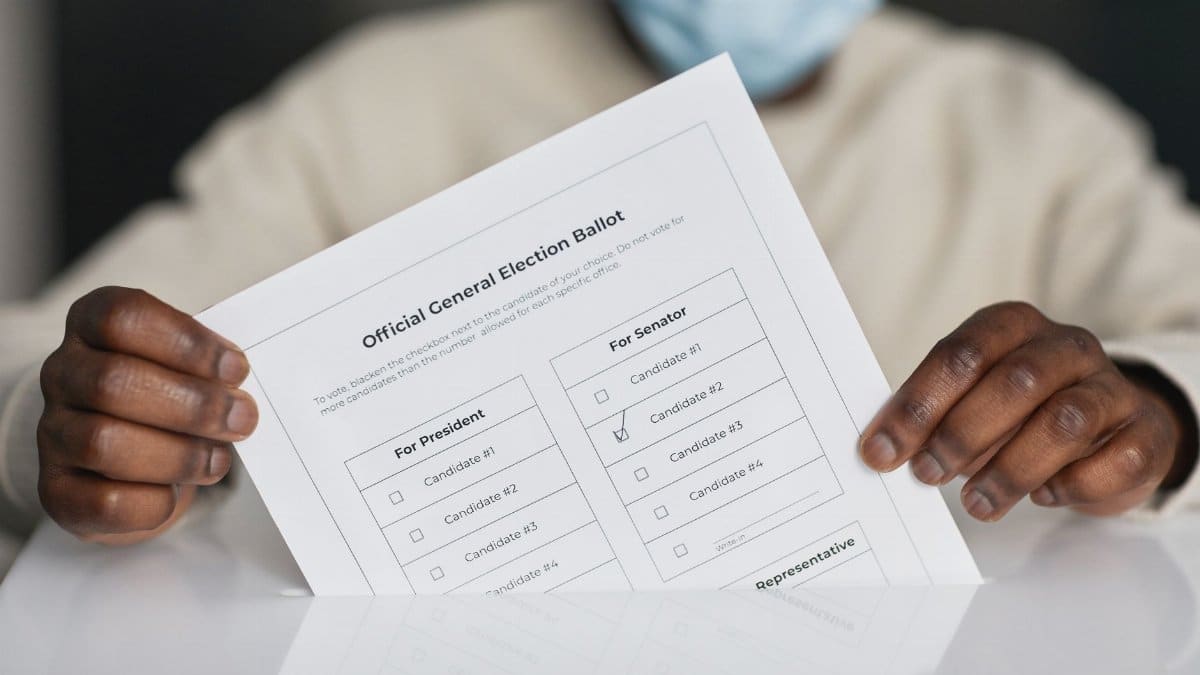
With the primary concluded attention turns to the contest between the Republican nominee and her Democratic opponent. Lindell has indicated he plans to remain active in public life though his precise role remains unclear. The episode serves as a reminder of how individual voices can intersect with institutional processes in American politics.