
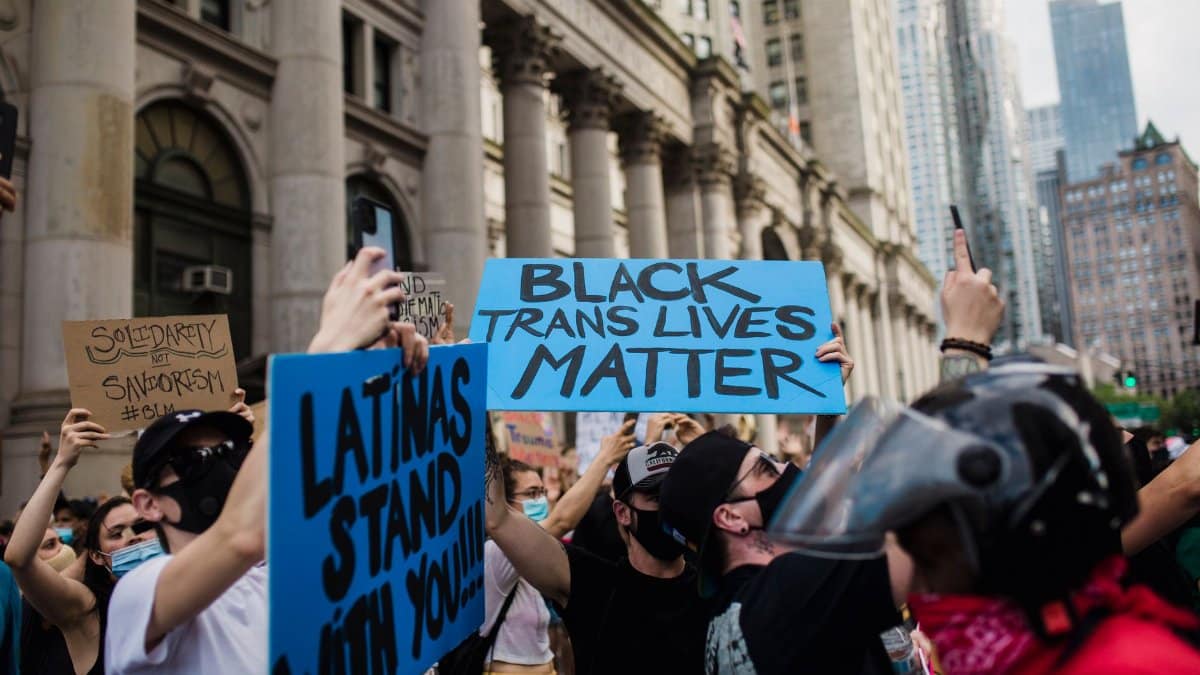
In a city known for its progressive policies Seattle leaders have taken a notable step to address the needs of a growing population seeking refuge from restrictive laws elsewhere. Newcomers have arrived in increasing numbers over the past year drawn by promises of greater acceptance and legal protections. Local officials responded with a targeted allocation that reflects both compassion and practical planning. This move highlights ongoing debates about how municipalities can best respond to shifting demographics and social pressures. The recent approval stands as one example of trans community funding in action amid these changes.
Origins of the City Initiative

The decision emerged from discussions among council members who reviewed data on arrivals from states with new limitations on gender related care and identification documents. Staff reports outlined the strain on existing shelters and health services. Advocates presented testimony about gaps in support networks that left many without immediate resources upon arrival. Lawmakers weighed these accounts against budget constraints before settling on the three hundred thousand dollar package.
Distribution Among Local Groups
Funds will flow to established nonprofits already operating in the area with experience in housing assistance and case management. Several organizations received commitments for expanded programming focused on job placement and legal navigation. Officials emphasized the importance of quick rollout to meet seasonal demands as winter approaches. Partnerships with medical clinics were also strengthened to handle referrals for ongoing care needs.
Stories of Recent Arrivals

One family described crossing multiple state lines after learning of policy shifts back home that affected a young adult member. They found temporary lodging through a community center but faced hurdles in securing stable employment. Another individual spoke of relying on informal networks for food and clothing while awaiting appointments with service providers. These accounts helped shape the council conversation around immediate relief measures.
Budget Context and Priorities

Seattle maintains a sizable annual budget with portions dedicated to social services and equity programs. The new allocation represents a modest fraction yet carries symbolic weight in signaling priorities. Council records show similar past efforts for other populations facing displacement or discrimination. Comparisons with neighboring cities revealed varying approaches to similar population movements.
Reactions from Community Leaders

Representatives from recipient groups expressed appreciation for the recognition of their workload. They noted that sustained support beyond one time grants would be needed to build lasting infrastructure. Some voiced concerns about administrative burdens that could slow the pace of aid delivery. Others highlighted successful models from previous years that could be scaled with additional resources.
Challenges in Implementation

Coordinating across multiple agencies requires careful tracking to avoid duplication of efforts. Language barriers and documentation issues have surfaced as common obstacles for those newly settled. Weather related disruptions in outdoor services add another layer during colder months. Officials plan regular check ins to adjust strategies based on feedback from the field.
National Trends in Municipal Responses
Other urban centers have explored comparable measures as migration patterns evolve in response to state level legislation. Reports from advocacy networks track these developments across regions. Funding mechanisms range from direct grants to tax incentives aimed at private partners. Observers note that outcomes depend heavily on local economic conditions and political will.
Longer Term Considerations

Beyond the initial outlay questions remain about measuring effectiveness over time. Metrics might include housing stability rates and employment retention among participants. Some analysts suggest integrating these efforts with broader workforce development initiatives. Continued dialogue among stakeholders could refine approaches for future cycles.
Public Discourse and Media Coverage

Local outlets have followed the story with attention to both the financial details and personal narratives involved. Opinion pieces have ranged from supportive to questioning the scale of the response. Social media platforms show active conversation among residents with diverse viewpoints on city spending. Town hall meetings provided additional venues for input before the vote.