

In the heart of Pennsylvania politics a contest is brewing that could reshape the states leadership. As the current governor prepares for higher ambitions his potential successor faces a determined challenger from the opposing party. This dynamic sets the stage for what promises to be a closely watched contest known as the Garrity Shapiro race. Local concerns over taxes education and economic growth intersect with national currents making the outcome uncertain yet significant for both parties.
Current Standing of the Main Contenders

Stacy Garrity has built her profile through her role as state treasurer focusing on fiscal oversight and public fund management. Her approach emphasizes transparency and efficiency drawing from her background in finance and military service. Josh Shapiro meanwhile maintains high visibility through his work on state initiatives including infrastructure and public safety measures. The Garrity Shapiro race highlights contrasts in experience and policy emphasis that voters will weigh in coming months.
Role of National Republican Figures

National party leaders have shown varying degrees of interest in state level contests like this one. Their involvement often includes fundraising appearances and messaging support aimed at boosting turnout among core voters. In this case such assistance could address resource gaps for the challenger while testing the reach of established networks. Observers watch for signals from prominent voices that might shape perceptions of the Garrity Shapiro race.
Potential Influence from Prominent Leaders
Former president Donald Trump maintains a dedicated following in many rural and suburban areas of the state. His endorsement or campaign stops have proven decisive in past primaries and general elections elsewhere. Whether similar tactics apply here depends on scheduling and alignment with local priorities. Analysts suggest measured engagement rather than full immersion to avoid overshadowing the state specific message.
Key Issues Driving Voter Decisions

Economic pressures including inflation and job availability top concerns for many households. Education funding and school choice debates also feature prominently alongside discussions of public safety and infrastructure repairs. Each candidate brings distinct proposals that reflect party platforms yet must adapt to Pennsylvania specific conditions. The Garrity Shapiro race will likely turn on which side connects more effectively with these everyday matters.
Demographic Factors in the State
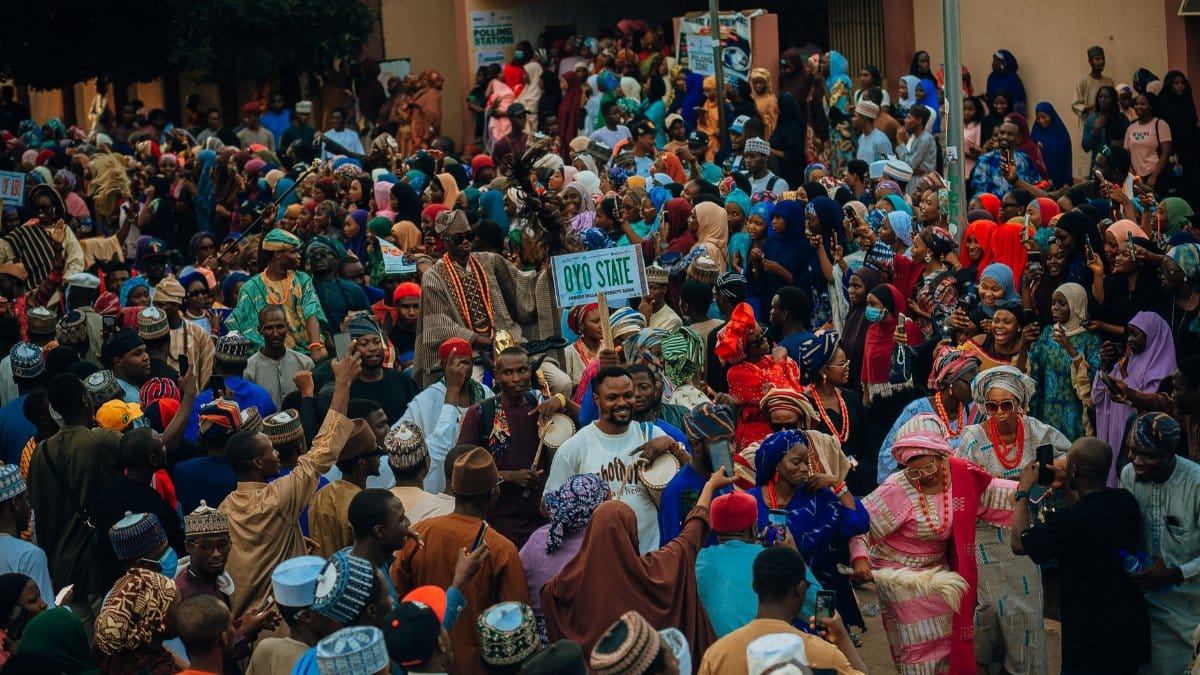
Urban centers tend to favor one set of priorities while rural communities focus on others creating a patchwork of support. Suburban voters often serve as the deciding bloc in close contests given their size and shifting preferences. Outreach strategies must account for age income and ethnic diversity across regions. Success in the Garrity Shapiro race hinges on building coalitions that span these varied groups.
Fundraising and Organizational Strength

Campaign war chests allow for advertising and ground operations that amplify messages in a media saturated environment. The incumbent benefits from established donor lists and party infrastructure while the challenger seeks to expand her base through targeted appeals. National contributions can supplement local efforts but carry risks of appearing disconnected from state realities. Balance remains essential for sustained momentum.
Media Coverage and Public Perception
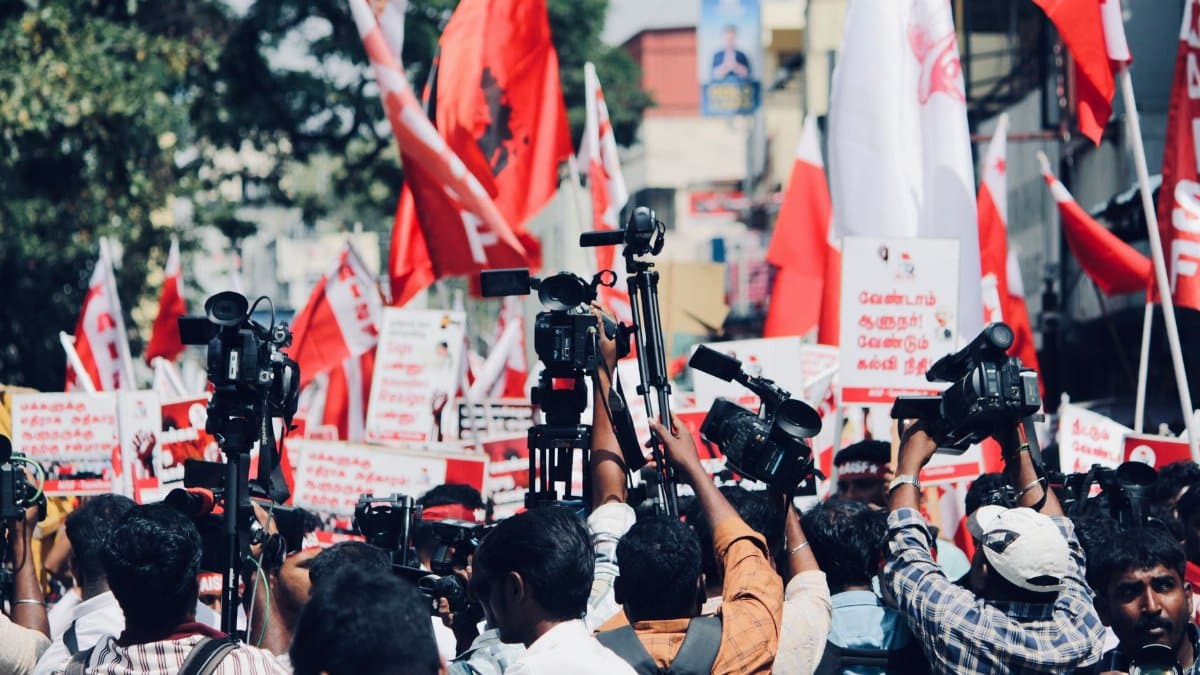
Local outlets provide detailed scrutiny of policy records and campaign events while national media offer broader context. Framing of the contest influences how undecided voters interpret candidate statements and debate performances. Positive or negative narratives can shift quickly based on new developments or endorsements. Managing the story line proves vital throughout the Garrity Shapiro race.
Historical Patterns in Similar Contests

Past gubernatorial races in the state show that turnout among independents and infrequent voters often determines the winner. External events such as economic shifts or national news cycles have altered trajectories mid campaign. Lessons from prior cycles suggest adaptability and clear communication as key assets. These patterns offer clues for navigating the current Garrity Shapiro race.
Outlook for the Months Ahead

As preparations intensify both sides refine their platforms and assemble teams capable of statewide execution. Early polling provides snapshots yet remains subject to change as more voters engage. Strategic decisions on alliances and messaging will shape the final stretch. The Garrity Shapiro race stands as a test of organization resilience and connection to voter priorities.