
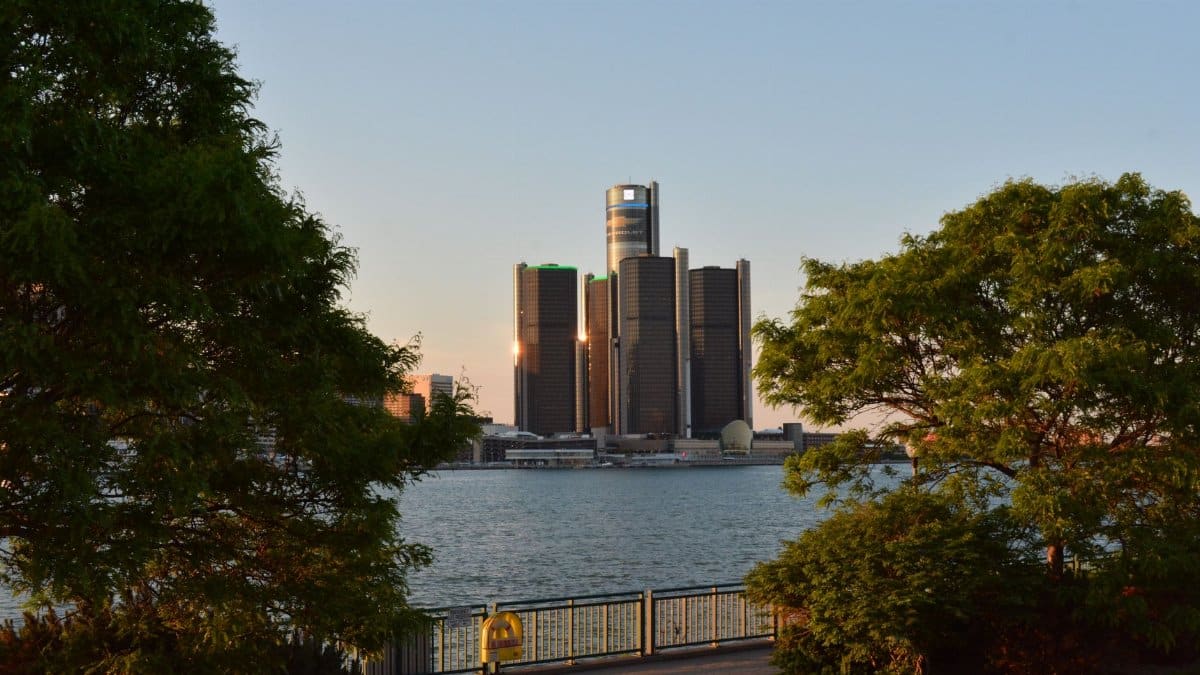
Residents of Detroit assembled recently to share their thoughts regarding alterations planned for a major downtown landmark. The session brought RenCen plan criticism to light as attendees questioned the direction of the project and its effects on local life. Many expressed frustration over limited input opportunities while developers outlined visions for mixed use spaces and modern amenities. This early forum set a tone of skepticism that could shape future negotiations in meaningful ways.
Background of the Proposed Changes

The Renaissance Center has stood as a symbol of the city for many decades. Plans now call for significant updates that some see as beneficial while others view them with suspicion. Officials described intentions to refresh aging structures and attract new businesses yet details remained vague on key points such as public access and cost sharing.
Voices from the Community Forum

Attendees filled the hall and took turns at the microphone to raise pointed questions. Several longtime residents noted that prior redevelopment efforts had overlooked neighborhood needs leading to repeated calls for greater transparency this time around. Their comments underscored ongoing RenCen plan criticism that focused on equity and inclusion.
Economic Effects Under Scrutiny

Analysts suggest the project could generate jobs yet many locals worry about rising costs that might displace smaller enterprises. Discussions touched on potential tax incentives and how they would balance against public benefits. Skeptics argued the numbers presented lacked sufficient detail to build confidence among taxpayers.
Architectural and Design Concerns
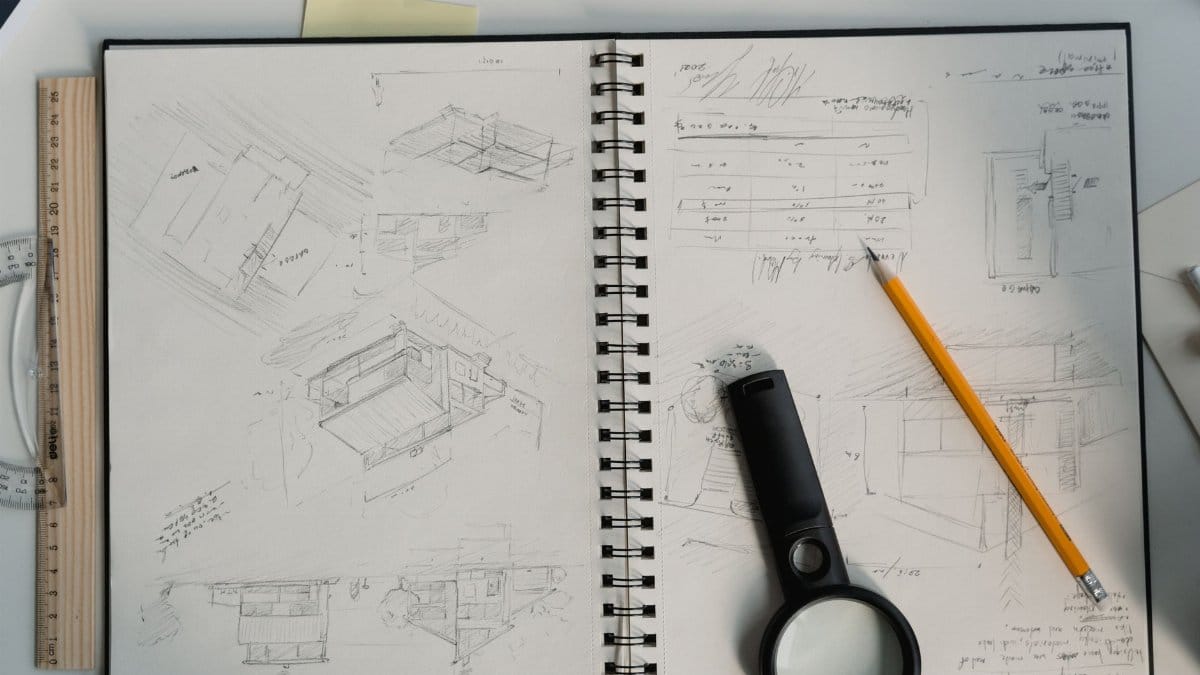
Critics highlighted risks that new additions could clash with the original aesthetic of the complex. Preservation advocates urged careful study of historical elements before any demolition begins. They stressed the value of maintaining visual continuity that has defined the skyline for generations.
Environmental Considerations Raised

Questions emerged about energy efficiency standards and green space integration within the revised layout. Participants asked for commitments to sustainable materials and reduced carbon footprints throughout construction phases. Without firm pledges some feared the outcome might fall short of modern ecological expectations.
Comparisons to Similar Urban Projects
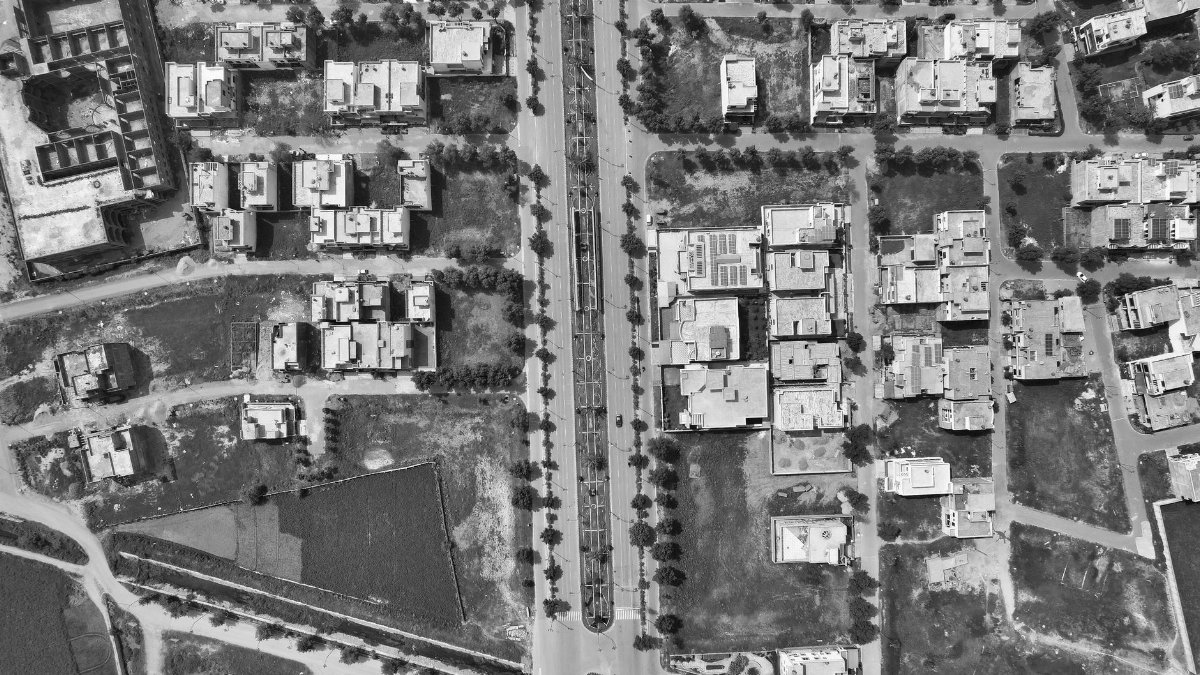
Observers drew parallels to other city center transformations across the country where initial enthusiasm gave way to regret over unmet promises. Lessons from those cases fueled demands here for stronger accountability measures and regular progress reports to the public.
Role of Local Leadership in the Process

City officials defended their approach as collaborative yet faced accusations of favoring corporate interests over resident priorities. Calls grew for elected representatives to host additional sessions that allow broader participation before final approvals advance.
Future Outlook and Next Steps

With the first meeting concluded attention now turns to revised proposals that address the RenCen plan criticism heard thus far. Stakeholders anticipate further revisions and additional gatherings to refine the blueprint. Success will depend on whether developers can demonstrate responsiveness to the concerns voiced.