
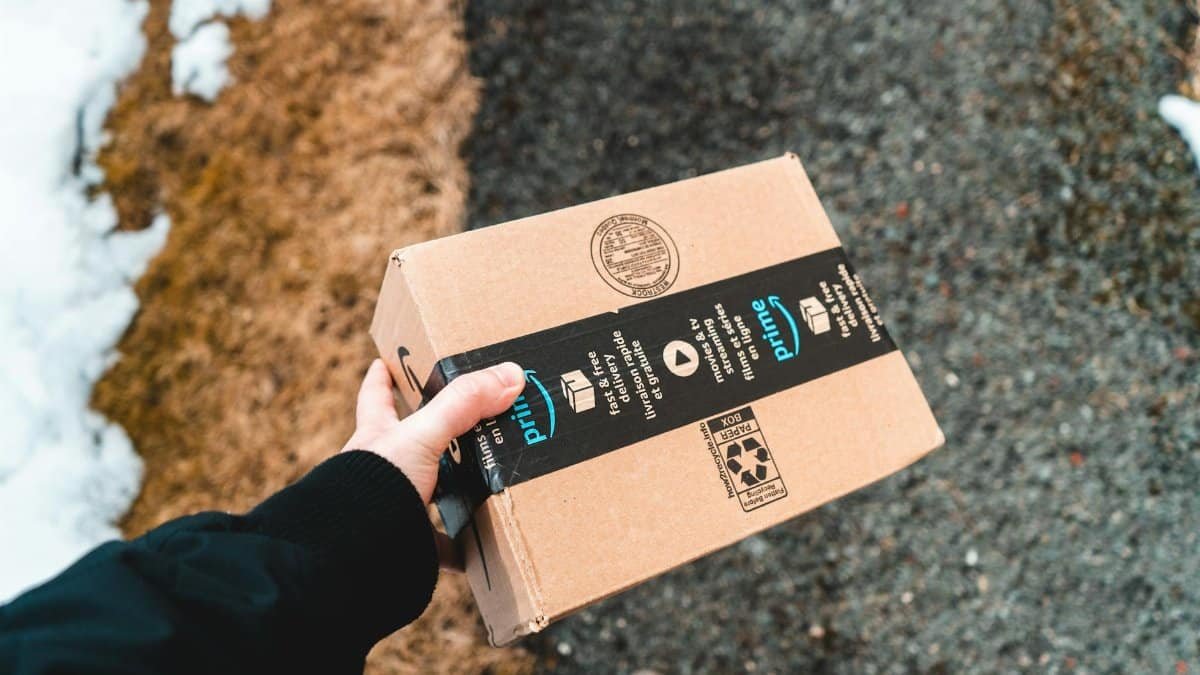
When Sarah Thompson packed her first handmade ceramic mugs in a small Ohio studio, she never imagined that delivery costs would determine whether her business survived. Like countless entrepreneurs across the heartland, she wrestled with freight rates that seemed designed for larger players. Now a door has opened. Amazon is extending access to its carefully constructed delivery infrastructure, allowing independent shippers and businesses nationwide to route packages through the same system that delivers millions of Prime orders. This decision marks a pivotal moment in the transformation of American commerce, one that reaches beyond balance sheets into the daily lives of workers, small business owners, and the communities they serve.
The move comes after years of massive investment in warehouses, sorting facilities, aircraft, and last mile delivery teams. What began as an effort to speed up shipments for Amazon customers has evolved into one of the largest private logistics operations in the world. By opening the Amazon logistics network to third party shippers, the company is stepping directly into territory long dominated by UPS and FedEx. The implications stretch from rural routes in the Midwest to dense urban corridors on both coasts, touching questions of economic independence, employment patterns, and even how Americans experience the flow of goods in their daily existence.
The Origins of Amazons Delivery Ambitions
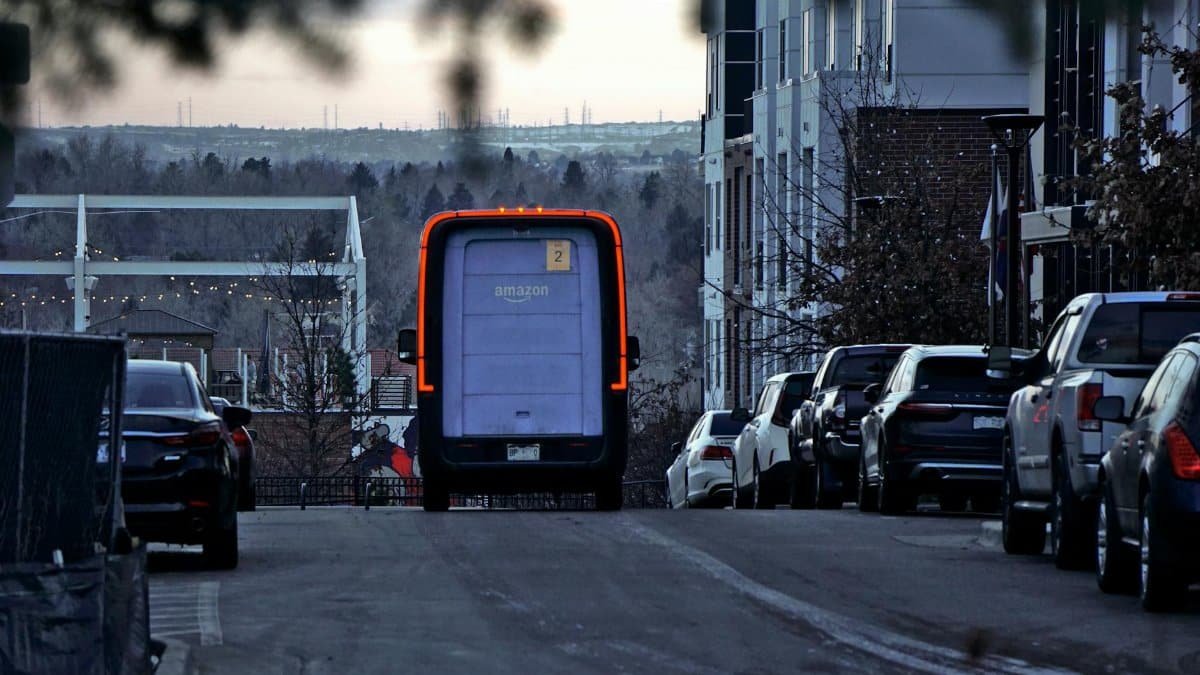
Amazons decision to build its own logistics capabilities did not happen overnight. For its first decade the company relied heavily on established carriers. Yet customer expectations for speed, especially after the launch of Prime, pushed executives to seek greater control. Early experiments with locker systems and same day delivery in select cities revealed both the potential and the complexity of managing physical movement at scale.
During the pandemic years the pace accelerated dramatically. Demand for home delivery surged while traditional carriers strained under the load. Amazon poured billions into warehouses, hired tens of thousands of workers, and assembled a fleet of vans and planes. What many viewed as a temporary necessity became a permanent strategic advantage. The infrastructure that emerged now spans more than 40 sorting centers and hundreds of delivery stations, creating a web that reaches deep into neighborhoods where brown trucks once held near monopoly power.
This physical network reflects more than corporate ambition. It represents a fundamental shift in how we think about the movement of objects in modern life, a system designed for predictability in an unpredictable world. For middle aged Americans who remember when mail order meant weeks of waiting, the change feels profound.
Opening the Network to Outside Shippers
Until recently Amazon guarded its delivery system closely, reserving it primarily for its own marketplace sellers. The new program changes that equation. Any qualified business can now purchase capacity on the Amazon logistics network, using the same planes, vans, and sorting facilities that serve Amazon customers.
Company officials describe the initiative as a natural evolution, a way to maximize efficiency by filling trucks that might otherwise return partially empty. Independent carriers and regional shippers gain access to competitive rates and sophisticated tracking tools previously unavailable outside the Amazon ecosystem. Early participants report meaningful savings compared with traditional overnight or ground services.
The program rolled out gradually in select markets before expanding nationwide this month. Logistics experts note that the timing coincides with softening demand in e commerce overall, suggesting Amazon seeks to maintain volume and utilization rates across its expensive fixed assets.
Inside the Vast Infrastructure

The physical reality of the Amazon logistics network impresses even longtime industry observers. Massive fulfillment centers equipped with robotics feed packages into a sophisticated sorting system that uses algorithms to plot optimal routes. Delivery vans equipped with custom navigation software turn drivers into nodes in a continuous optimization grid.
At the heart of the operation sits a data layer that predicts demand, routes vehicles, and adjusts in real time to traffic, weather, and package volume. This integration allows the network to absorb additional third party shipments without proportional increases in cost, at least in theory. In practice the addition of external volume will test systems built primarily for internal needs.
Visitors to newer facilities witness technology that feels almost futuristic, robotic arms gently placing packages onto conveyor belts while workers focus on exceptions rather than repetition. The human element remains essential however, particularly in the final miles where judgment and customer interaction still matter.
Benefits and Opportunities for Independent Businesses
For small and medium sized shippers the arrival of new options arrives as welcome relief. Many have watched shipping costs climb steadily while carrier service suffered during peak seasons. Access to the Amazon logistics network offers not only potentially lower rates but also the reliability associated with Amazons customer obsession.
Thompson, the Ohio ceramic maker, recently sent her first test shipments through the new channel. Delivery times improved and costs dropped enough to allow her to expand her product line. Stories like hers repeat across workshops, farms, and online stores where owners previously accepted slow or expensive shipping as an unchangeable fact of business life.
Regional distributors serving rural areas see particular promise. The network reaches zip codes that some national carriers serve inconsistently. This expanded reach could strengthen small town economies by connecting local producers more efficiently to national markets.
Pressure on Traditional Delivery Giants

UPS and FedEx executives have watched these developments with understandable concern. Both companies have built their business models around serving the exact segment Amazon now courts. Industry analysts predict pricing pressure as shippers gain leverage in negotiations.
FedEx has already adjusted its relationship with Amazon, ending ground delivery contracts in stages. UPS maintains a substantial Amazon relationship but faces the prospect of lost market share as the Amazon logistics network matures. The competitive dynamic echoes earlier disruptions when Amazon first entered cloud computing and later advertising.
Established carriers respond by highlighting their global reach and sophisticated customs capabilities, areas where Amazon still lags. Yet the core domestic ground and express business now faces its most serious challenge in decades.
The Technology That Makes It Possible

Advanced routing algorithms form the invisible backbone of the expanding network. These systems consider thousands of variables to determine not only which vehicle carries which package but also the precise sequence of deliveries to minimize driving time and fuel use.
Computer vision helps sort packages automatically while machine learning models forecast volume spikes with increasing accuracy. Electric delivery vans, many built by Amazon itself, signal attention to both cost and environmental factors, though the full transition to sustainable fleets will require years.
The integration of these technologies creates a level of visibility that smaller shippers could never achieve independently. Real time tracking and predictive delivery windows have become customer expectations rather than luxuries, raising the bar for the entire industry.
Workforce Realities in a Changing Landscape

Behind the sophisticated systems stand thousands of human workers. Amazon employs more than one million people in the United States, many in logistics roles that offer steady pay but demanding conditions. Opening the network to additional volume will likely require more hiring, particularly during peak seasons.
Questions persist about the quality of these jobs. Warehouse injury rates have drawn scrutiny from regulators and labor advocates. Delivery drivers face tight schedules and increasing pressure to maintain efficiency metrics. As the Amazon logistics network grows, so does its responsibility to the people who make it function.
At the same time these positions provide entry points to the workforce for many middle aged Americans who value practical work with clear expectations. The long term effects on labor markets in logistics heavy regions deserve careful observation.
Environmental Questions Surrounding Growth

Additional trucks on the road inevitably raise concerns about carbon emissions and traffic congestion. Amazon has pledged substantial investment in electric vehicles and alternative fuels, yet the sheer scale of its operation means that even modest efficiency gains translate to large absolute numbers.
Company representatives point to route optimization and higher vehicle utilization as net positive developments. When third party packages fill capacity that would otherwise run underutilized, the environmental impact per package decreases. Whether this mathematical improvement satisfies critics remains uncertain.
Broader societal reflection seems warranted. As delivery becomes faster and cheaper, consumption patterns may shift in ways that amplify the overall environmental footprint. The spiritual dimension of our relationship with material goods gains new relevance in an era when ordering another item requires almost no physical effort.
Changing Customer Expectations

American consumers have grown accustomed to rapid fulfillment. What once seemed miraculous now registers as standard. This evolution carries subtle consequences for how we value time, patience, and anticipation.
Middle aged customers in particular straddle two eras. Many remember when holiday catalogs arrived months before December and orders took weeks to appear. Todays instant gratification culture offers undeniable convenience while potentially diminishing the small satisfactions of delayed reward.
The expansion of the Amazon logistics network will likely accelerate these trends. More businesses able to offer fast shipping means higher expectations across retail. The psychological effects on both buyers and sellers merit consideration beyond pure economics.
What the Future Holds for American Logistics
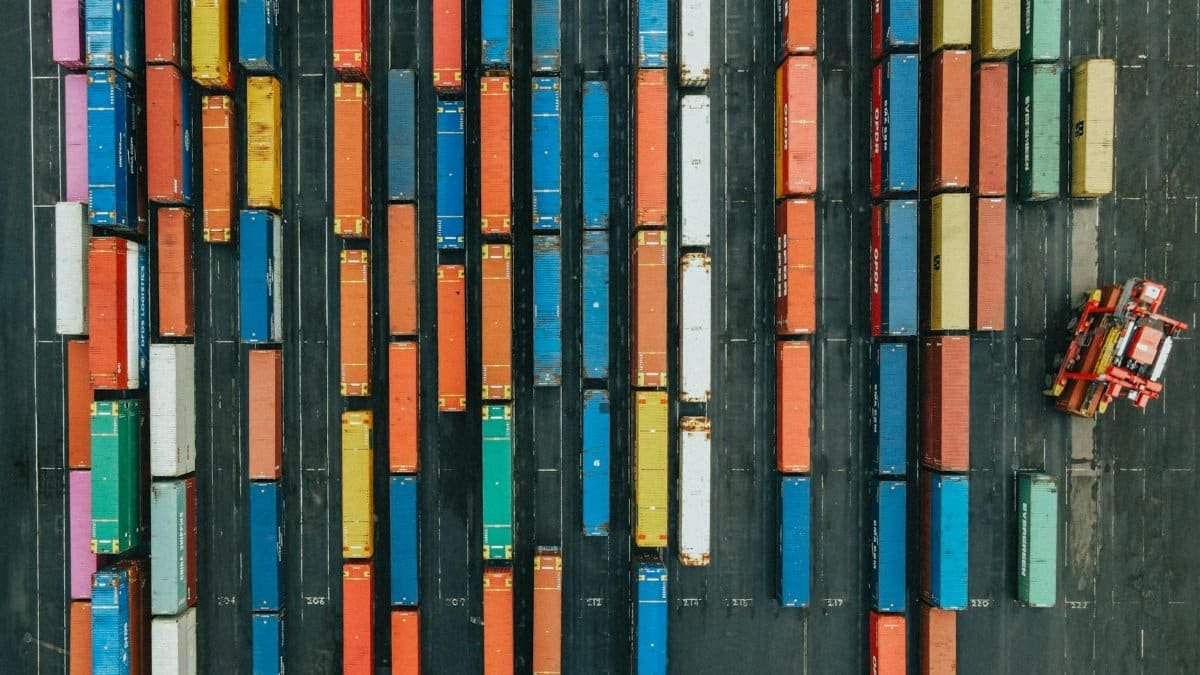
The opening of the Amazon logistics network represents more than a business decision. It signals a future in which the lines between retailer, technology company, and transportation provider continue to blur. Other large platforms may follow similar paths, creating networks that combine data, physical assets, and algorithmic intelligence.
Regulatory attention seems likely. Antitrust advocates already question Amazons power across multiple sectors. Policymakers face the challenge of encouraging innovation while preventing any single company from dominating the arteries of commerce.
For communities across the nation the changes will arrive through small shifts. A local business that expands because shipping became manageable. A delivery driver who learns new technology. A family that receives packages more predictably. These individual stories weave together into a larger pattern that will define how goods move in the decades ahead.
The true measure of this development may ultimately rest not in market share statistics but in its effects on human lives. When commerce flows more efficiently, does it create space for deeper connections, for reflection, for the aspects of existence that transcend transactions? That remains the quiet question underlying the roar of trucks and the hum of sorting machines. As the Amazon logistics network expands its reach, Americans will discover the answers together.