
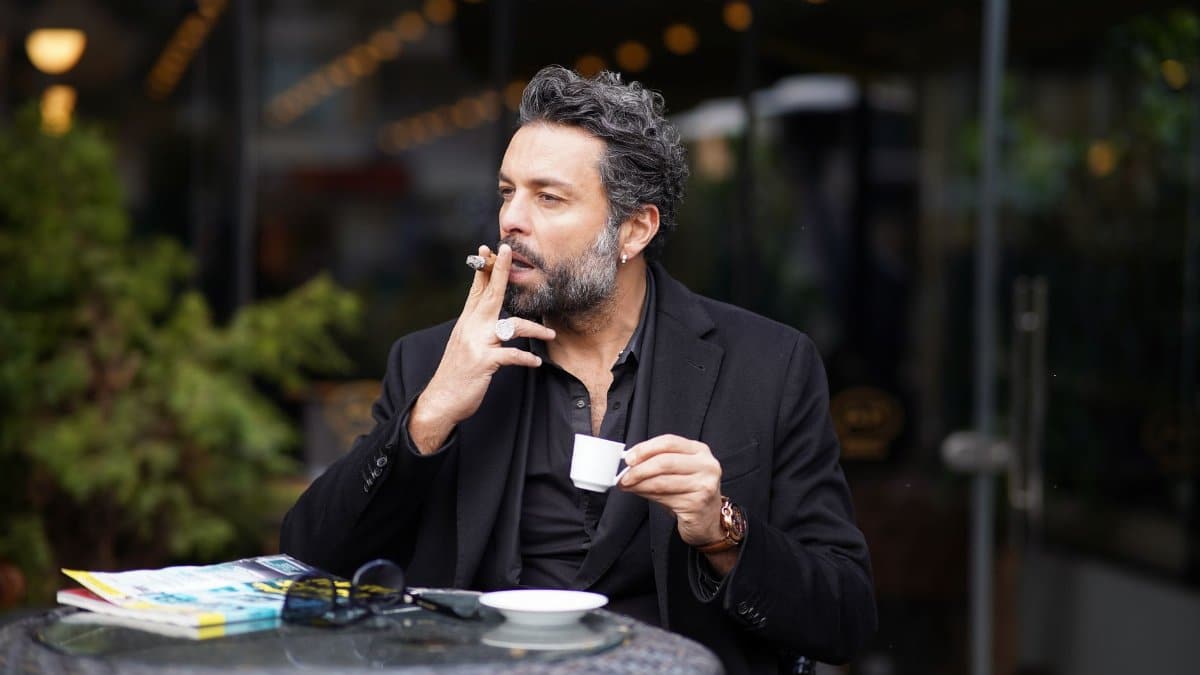
In a smoky Los Angeles nightclub during the early 1960s, Lenny Bruce stood before a restless crowd and delivered routines that tore into social hypocrisies with unflinching precision. His willingness to confront authority and expose uncomfortable truths created ripples far beyond the stage. Over time those moments helped define the Lenny Bruce legacy as a cornerstone of modern comedy and open expression.
The Comedian Faces Constant Scrutiny in Los Angeles

Los Angeles vice officers made repeated visits to venues where Bruce performed. They documented every line that touched on sex, religion or politics. Each arrest added to a growing stack of legal troubles that followed the performer from one club to the next. Court records show officers often attended shows solely to gather evidence rather than for entertainment.
How Arrests Shaped Daily Life on the Road
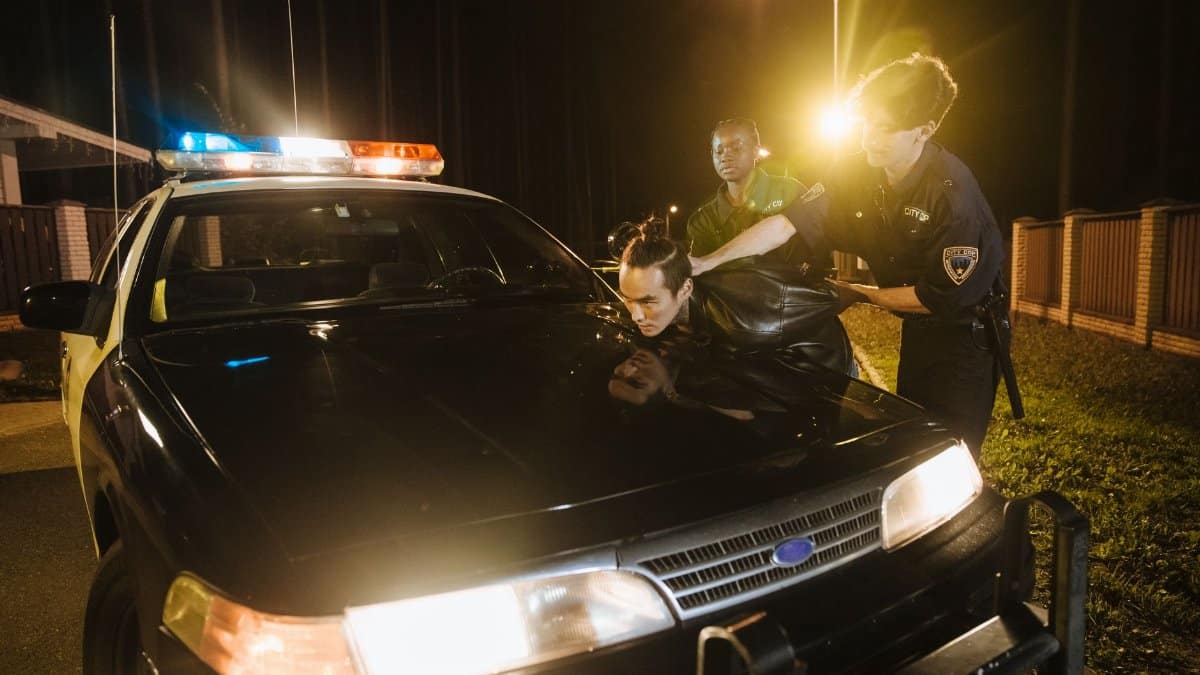
Bruce moved between cities yet found little relief from the attention of law enforcement. Travel schedules tightened around court dates. Club owners grew wary of booking an act that could bring sudden police presence and negative publicity. The pattern turned what should have been creative work into a constant negotiation with bail bondsmen and lawyers.
Early Material That Tested Audience Limits
Routines about organized religion and racial attitudes appeared in sets long before such topics became common. Bruce used sharp observation rather than simple shock. Audiences sometimes laughed uneasily while others walked out. Those who stayed often returned with friends to hear the next installment.
Legal Battles Reach the California Courts
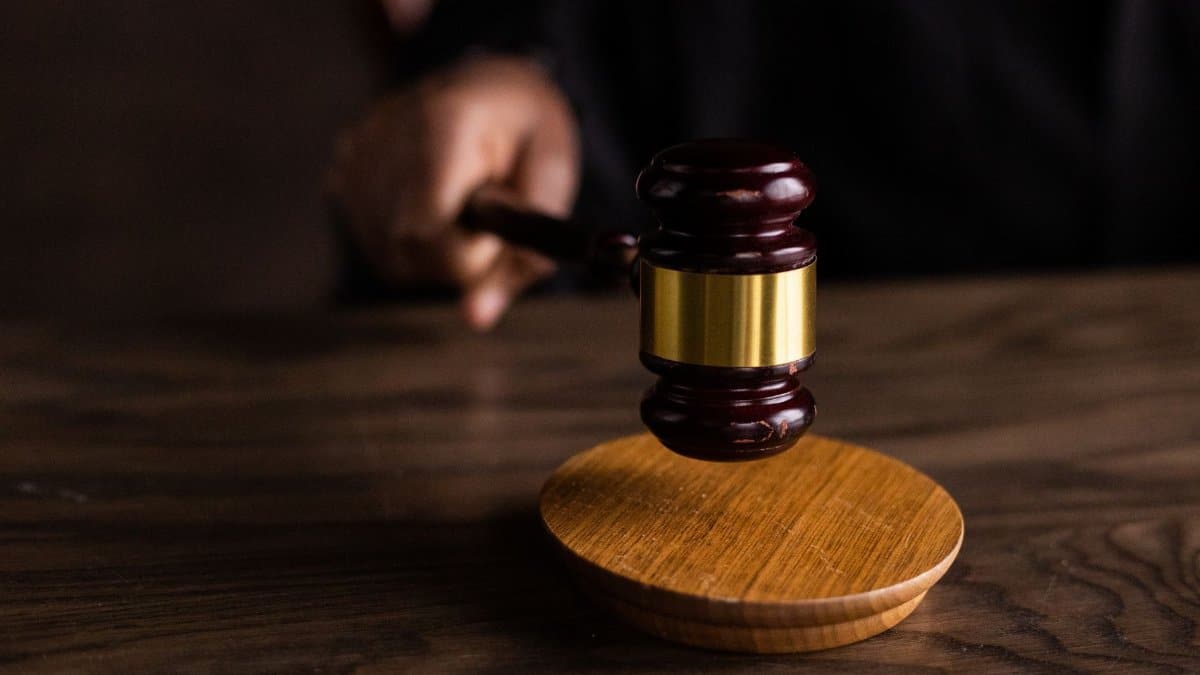
Defense arguments centered on the idea that comedy deserved protection similar to political speech. Prosecutors countered that certain words and themes crossed into obscenity. Judges weighed community standards against artistic intent. The proceedings drew coverage from national papers and set precedents still cited in later free expression cases.
Fellow Performers Watch and Learn from the Struggles
Younger comics studied transcripts of the trials and the original routines. They saw how Bruce refused to soften language even when it increased his legal risks. This example encouraged later generations to address topics once considered off limits. Stand up acts in the 1970s and beyond frequently named him as an influence.
Personal Costs Mount During the Final Years

Financial pressures from legal fees and lost bookings took a visible toll. Bruce continued to write and perform when opportunities arose. Friends noticed increasing isolation as the weight of ongoing cases grew heavier. The period illustrated how sustained institutional pressure could affect even the most resilient artists.
Posthumous Recognition Arrives Through Documentaries and Books

After his death, recordings and written accounts circulated widely. Filmmakers and authors revisited the trial transcripts and club tapes. These works introduced new audiences to the original performances and the surrounding controversies. Interest remained steady across decades.
Influence Extends Beyond Stand Up into Other Fields

Writers and filmmakers adopted similar themes of institutional critique. Bruce routines appeared in academic discussions about censorship and popular culture. The Lenny Bruce legacy surfaced in conversations about artistic freedom during later decades of social change.
Contemporary Acts Still Reference the Original Approach
Current comedians occasionally open sets by quoting lines that once triggered arrests. They do so to acknowledge the path that allowed broader material today. The connection remains direct even as performance styles have evolved.
Archival Material Preserves the Voice for Future Listeners
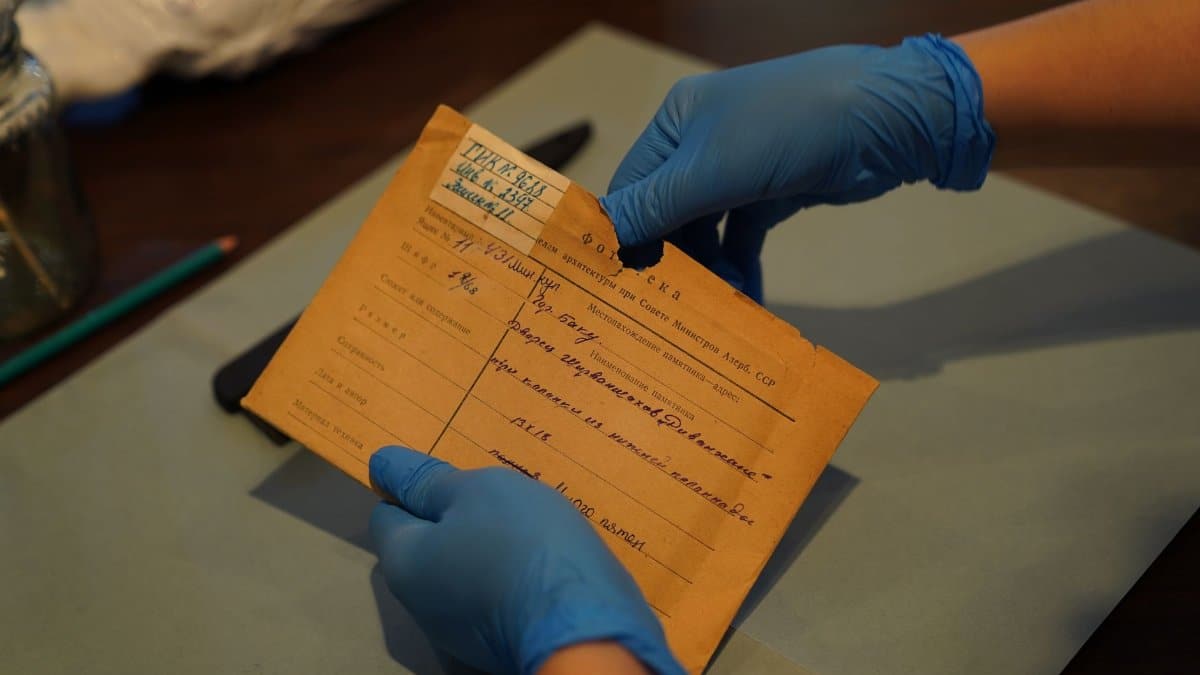
Universities and private collectors maintain recordings and court documents. Researchers continue to examine how the cases unfolded and what they reveal about mid 20th century attitudes. Access to these sources keeps the story available without reliance on memory alone.
The Enduring Question of Where Expression Meets Authority

Debates that surrounded Bruce still surface whenever new limits on speech are proposed. The Lenny Bruce legacy serves as a reference point for those weighing the value of unrestricted performance against concerns for public standards. The tension shows no sign of disappearing.