
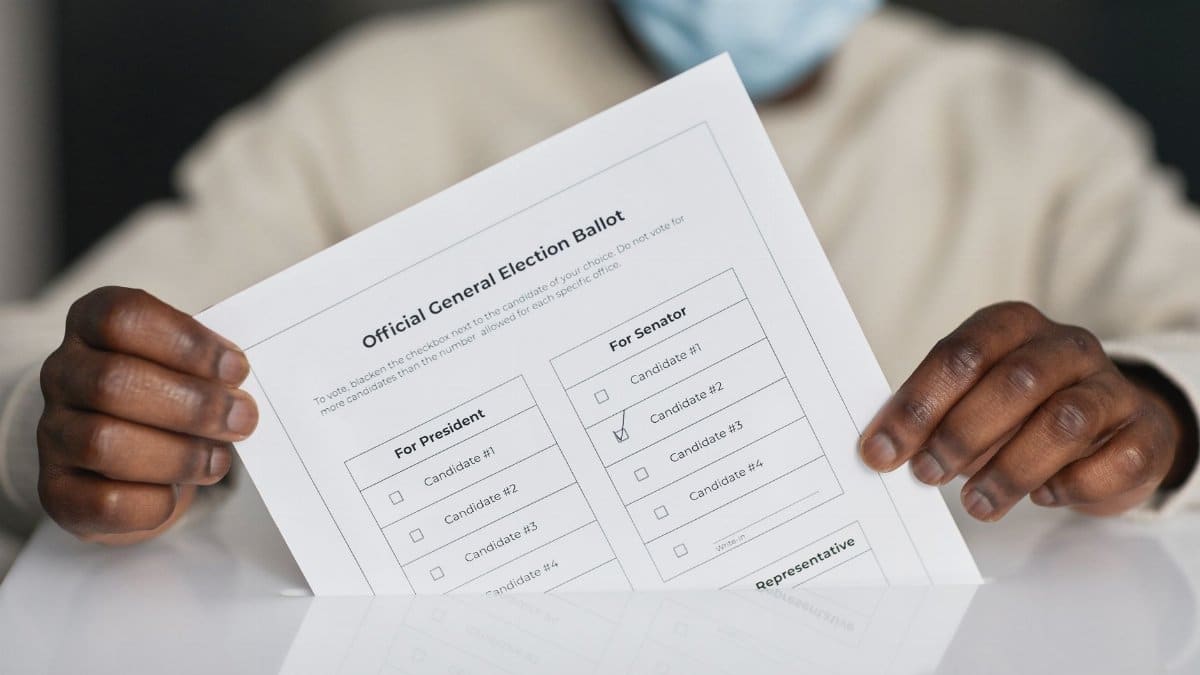
The recent court intervention in Florida has brought fresh attention to a property tax amendment that could reshape how homeowners across the state shoulder their annual burdens. Attorney General James Uthmeier stepped in after a judge found the initial ballot wording too vague for voters to grasp the full reach of the proposed changes. This development arrives as property values continue to climb in many communities and residents seek clearer protections against sudden spikes in their tax bills. Observers note that the revised language aims to present the measure in plainer terms ahead of the November vote.
Origins of the Proposed Measure

The effort to place the property tax amendment on the ballot grew from concerns over rising assessments in coastal counties and inland suburbs alike. Lawmakers drafted the initial version to offer relief tied to homestead exemptions yet the text left open questions about eligibility and calculation methods. A circuit judge reviewed objections from citizen groups and agreed that average readers might misinterpret the scope. Uthmeier then produced new phrasing that spells out limits on annual increases and the conditions under which savings would apply.
Role of the Attorney General

State law grants the attorney general authority to refine ballot summaries when courts identify shortcomings. Uthmeier reviewed public comments and prior rulings before issuing the updated version. His office emphasized that the goal remains faithful representation of the amendment intent without adding new policy elements. Legal analysts point out that such rewrites occur periodically when complex fiscal proposals reach the ballot stage.
Impact on Homeowners Across Regions

Residents in high growth areas stand to see the most noticeable shifts if the measure passes. The property tax amendment would cap yearly rises for qualifying properties and expand the pool of those who qualify for existing relief programs. Families who have lived in their homes for several years could benefit while newer buyers might encounter different thresholds. Local tax collectors have begun preparing guidance documents to explain the mechanics once final wording is certified.
Reactions from Advocacy Organizations

Groups focused on fiscal restraint welcomed the clearer language as a step toward greater transparency. Others representing municipal budgets expressed worry that reduced revenue streams could affect services such as road maintenance and emergency response. Both sides plan public forums to discuss tradeoffs. The property tax amendment thus serves as a focal point for broader debates over state versus local funding responsibilities.
Comparison with Earlier Tax Relief Efforts
Previous attempts to adjust property taxes in Florida relied on legislative action rather than constitutional amendment. Those measures often proved temporary or subject to annual renewal. The current proposal seeks permanence through voter approval which would place future changes beyond easy reach of lawmakers. Proponents argue this approach prevents erosion of benefits during tight budget cycles.
Potential Effects on Local Government Budgets
Counties and cities derive substantial portions of operating revenue from property taxes. Passage of the property tax amendment could require adjustments in spending priorities or alternative revenue sources such as sales taxes or fees. Finance directors have modeled scenarios that range from modest belt tightening to deeper program reviews. State aid formulas might also shift to offset losses in some districts.
Voter Education Initiatives Underway

Election officials are distributing sample ballots and explanatory materials in multiple languages. Community centers and libraries will host sessions where residents can ask questions about how the property tax amendment would interact with existing homestead rules. Nonpartisan leagues plan to circulate side by side comparisons of current law and the proposed changes. Turnout in November may hinge on how well these efforts reach infrequent voters.
Legal Challenges Still Possible

Even with revised wording opponents may file new suits arguing that the summary remains incomplete. Courts have shown willingness to scrutinize fiscal ballot items closely in recent election cycles. Any further delays could compress the window for campaign activities. Supporters of the property tax amendment hope the attorney general version withstands review and allows focus to turn to persuasion.
Broader Context of State Tax Policy

Florida lacks a personal income tax which places heavier reliance on property and sales levies. The property tax amendment fits within ongoing discussions about balancing growth incentives with stable public services. Economists note that housing affordability concerns have intensified since the pandemic as migration patterns altered demand in many markets. Lawmakers continue to weigh additional reforms that could complement or compete with the ballot measure.