
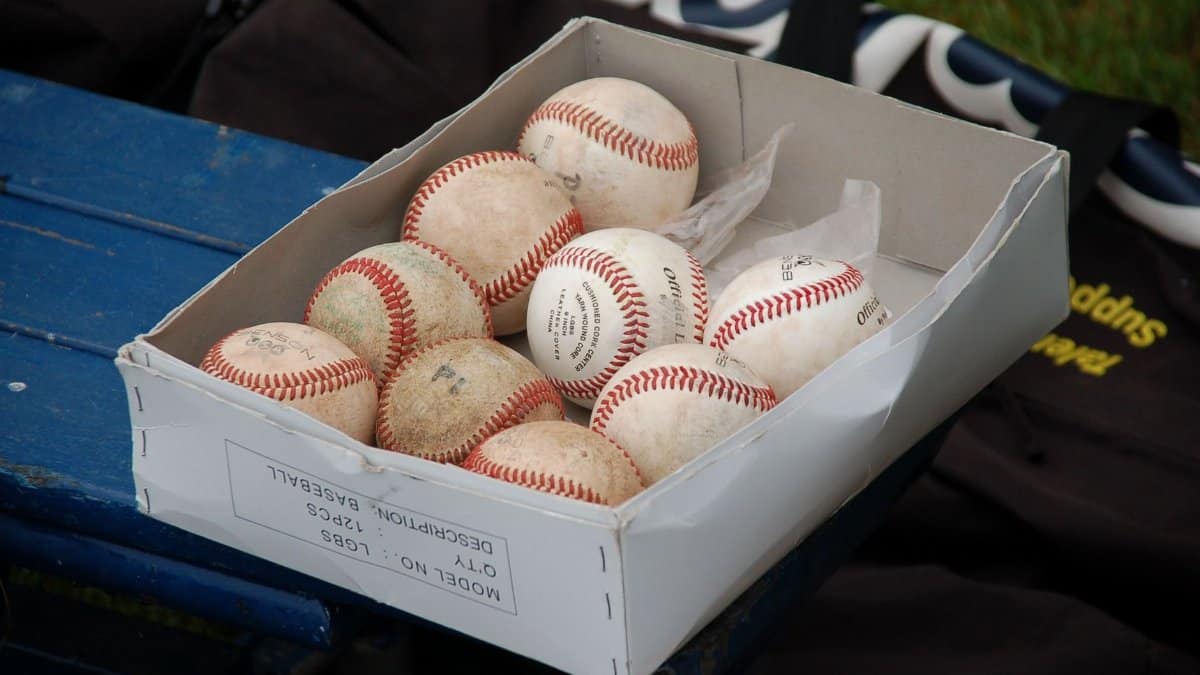
In the Philadelphia suburbs a group of young athletes has ignited widespread excitement by reaching one of the premier events in youth baseball. Their journey reflects years of practice and the steady encouragement of families who fill the stands at every game. The West Chester Little League stands at the center of this story as the team prepares for competition in the middle of August 2026. Residents describe a renewed sense of unity that extends beyond the field and into daily conversations at schools and local gatherings. Observers note how such accomplishments can strengthen bonds among neighbors who otherwise lead separate routines.
Roots of a Regional Program

West Chester Little League traces its origins to modest beginnings when parents organized weekend games on public fields decades ago. Over time the program expanded to include multiple age divisions and improved facilities funded through local donations. Today it serves hundreds of children each season with an emphasis on skill development rather than early specialization. Coaches stress fundamentals and sportsmanship in equal measure drawing from a volunteer base that includes former players now grown.
Path to National Recognition

The recent qualification process involved a series of regional tournaments where the squad demonstrated consistent performance under pressure. Matches against neighboring districts required strategic adjustments and collective resilience from the roster. Advancement came after a decisive final contest that left spectators cheering well into the evening. Preparation for the larger event now includes additional training sessions focused on endurance and mental focus.
Role of Family Involvement

Parents and siblings often contribute countless hours to transportation meal preparation and equipment maintenance. This level of commitment creates an environment where children learn accountability alongside athletic skills. Many families report that participation strengthens household routines and provides shared experiences across generations. Stories circulate of grandparents attending every home game regardless of weather conditions.
Lessons in Teamwork and Perseverance
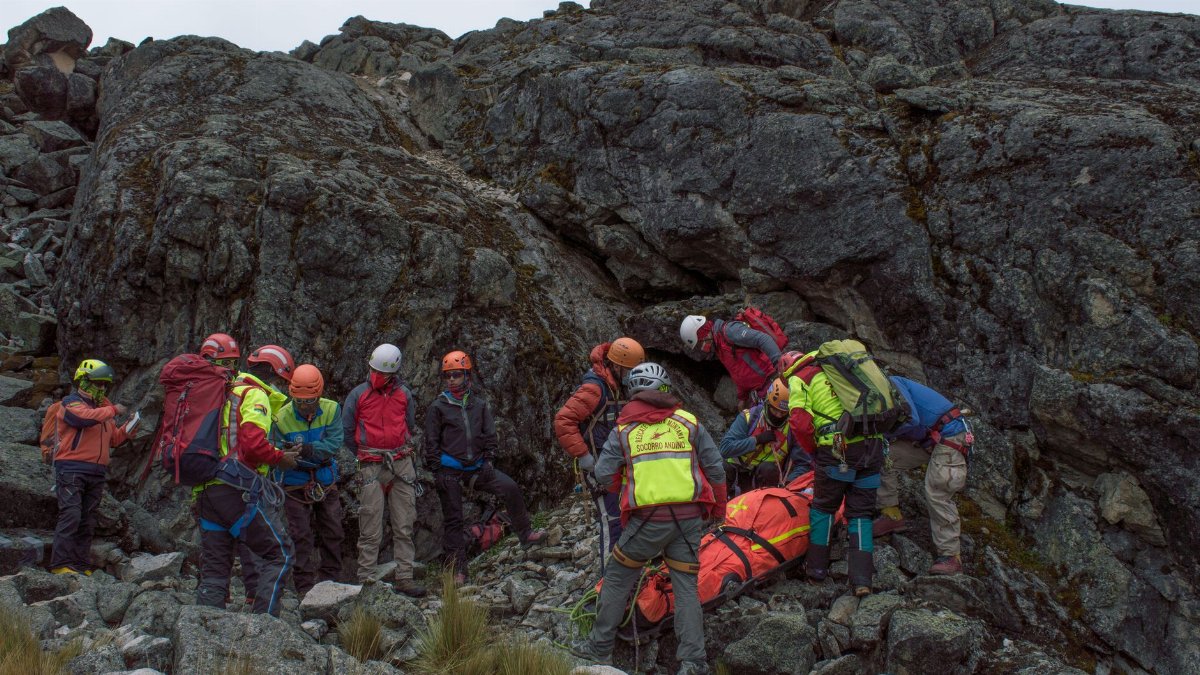
Coaches incorporate discussions about handling setbacks during practices to build character. Players recount moments when errors on the field led to group encouragement rather than blame. These interactions align with broader values of mutual support that extend into school and social settings. The emphasis remains on growth through effort instead of outcomes alone.
Impact on Local Economy and Gatherings

Businesses near the fields notice increased foot traffic on game days as relatives and friends converge for refreshments. Restaurants and shops benefit from the seasonal influx without major infrastructure changes. Community events organized around the season foster casual interactions that might not occur otherwise. Such patterns illustrate how recreational activities can sustain small scale commerce.
Connection to Broader Youth Trends

Nationwide data on organized sports shows rising interest in structured leagues among suburban populations. Programs like this one offer structured alternatives to unstructured play while promoting physical activity. Comparisons with past decades reveal shifts toward organized schedules that require coordination among households. Observers suggest these changes reflect evolving priorities around child development.
Volunteer Network Behind the Scenes
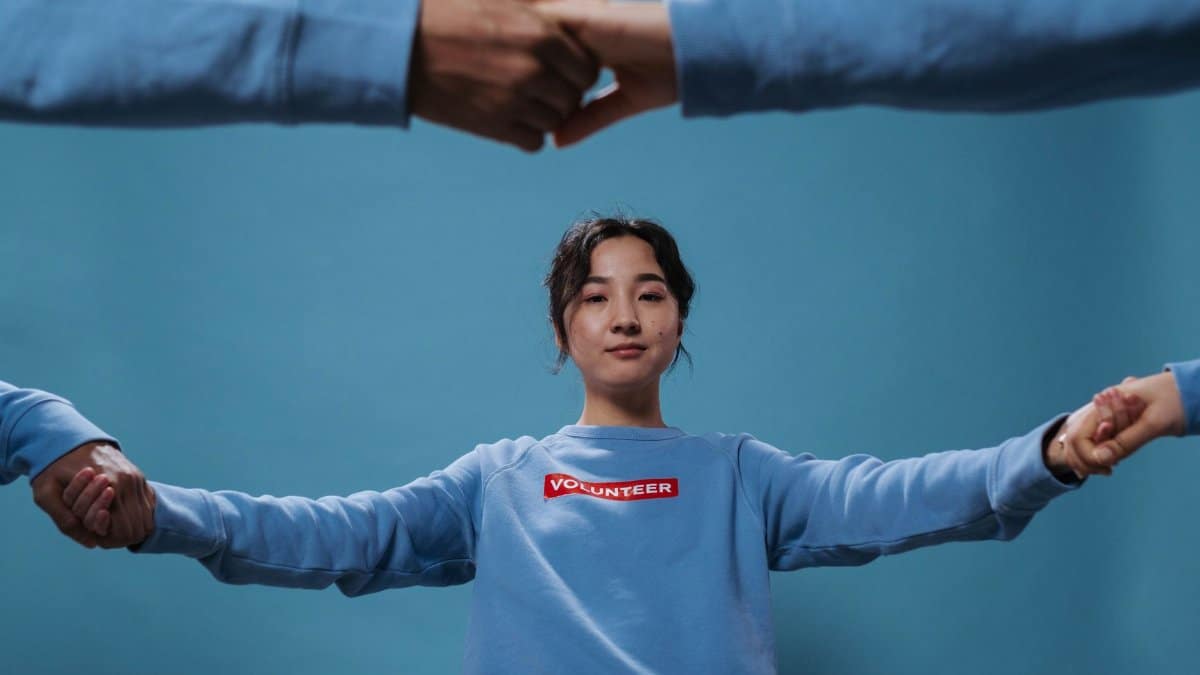
Behind every successful season lies a cadre of umpires scorekeepers and field maintainers who donate time without compensation. Recruitment occurs through word of mouth and occasional announcements at community centers. Retention depends on recognition events that honor long term contributors. This network ensures smooth operations even during peak periods.
Future Outlook for Continued Growth

Program leaders discuss plans for facility upgrades and expanded outreach to nearby areas. Fundraising efforts target both equipment and scholarship opportunities for families facing financial constraints. Partnerships with schools could introduce introductory clinics during off seasons. Sustained success may depend on maintaining the volunteer spirit that has defined the program thus far.