
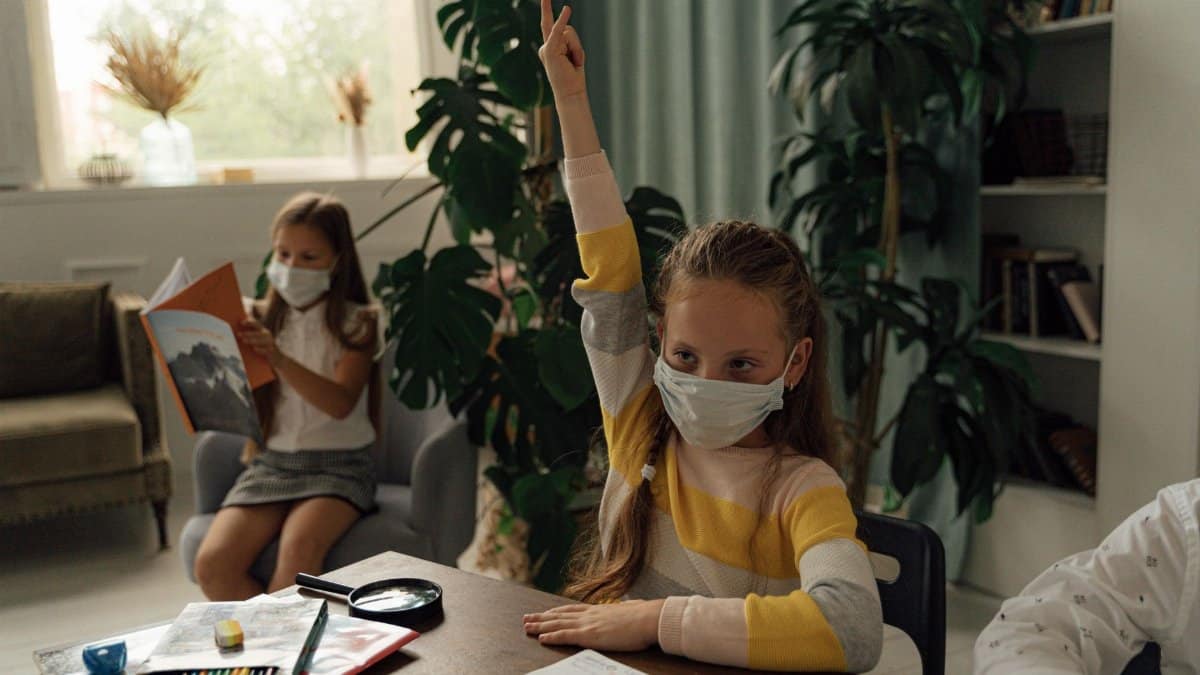
Recent data shows a troubling pattern in how young people across Britain experience daily life, with rising pressures from school, family changes and social media taking a visible toll. Communities and leaders now face urgent questions about how to reverse these trends before they shape an entire generation. Within this discussion, Children Wellbeing UK stands out as a focal point that connects health, education and emotional support in new ways.
Key Findings From the Recent National Survey

The report draws on responses from thousands of families and reveals lower satisfaction scores in several regions compared with five years earlier. Researchers noted particular drops in feelings of safety and connection at home. Government statistics cited in the analysis point to longer waiting times for counseling services as one contributing factor. Readers can review the underlying data through the Happiful news archive at https://happiful.com/tag/news.
Impact of School Pressures on Daily Mood

Teachers and parents describe crowded schedules that leave little room for rest or unstructured play. Many children report feeling judged mainly by test results rather than character or creativity. Schools that introduced brief mindfulness sessions during the day recorded modest gains in reported calm among students. These adjustments show that small timetable changes can influence overall outlook without major spending.
Role of Family Routines in Emotional Stability

Shared meals and consistent bedtime hours appear repeatedly in the data as protective elements. Families that maintained these habits even during remote learning periods saw steadier emotional markers. The study emphasizes that predictable home rhythms help offset external uncertainties more effectively than occasional large gestures.
Community Programs That Show Measurable Results

Local initiatives pairing older volunteers with younger children produced encouraging feedback in pilot areas. Participants described stronger senses of belonging and purpose on both sides of the age divide. Funding for such projects remains uneven, yet the report suggests scaling successful models could address gaps in formal services.
Digital Habits and Their Influence on Sleep

Screen time after eight in the evening correlated strongly with restless nights and next day irritability. The authors recommend simple household rules rather than outright bans, noting that negotiated limits tend to last longer. Several districts now share guidance materials developed with input from parents and pediatricians.
Spiritual and Meaning Making Dimensions

Although often overlooked in policy papers, questions of purpose and connection to something larger surfaced in open ended answers. Children who described regular participation in reflective practices or group activities tied to values reported higher resilience scores. Faith groups and secular community circles alike appear positioned to offer these spaces when properly resourced.
Policy Recommendations and Funding Priorities

The document calls for ring fenced budgets aimed at early intervention rather than crisis response. It also urges better coordination between health, education and housing departments so families do not fall through administrative cracks. Lawmakers in several regions have begun drafting measures that reflect these priorities ahead of the next budget cycle.
Looking Ahead for Sustainable Change

Long term tracking will determine whether the suggested steps produce lasting shifts. The report closes by noting that Children Wellbeing UK depends on consistent effort across multiple sectors rather than single announcements. Continued public attention and measured investment offer the clearest path toward measurable improvement in coming years.