

Voters across Minnesota cast ballots in a contest that revealed shifting dynamics within the Republican Party. Candidates backed by former President Trump faced unexpected setbacks as party members opted for figures they viewed as stronger in a general election matchup. This Minnesota GOP primary underscored a strategic calculation focused on broad appeal rather than ideological purity. Results pointed to Lisa Demuth securing the nomination for governor while Michele Tafoya advanced in the Senate race. Such outcomes suggest a desire among participants to position the party for success beyond the primary stage.
Party Focus Turns Toward November

The decisions made during the Minnesota GOP primary reflect a broader pattern seen in other states where electability concerns took precedence. Party members appeared to weigh the chances of victory in the fall against loyalty to national figures. Demuth emerged as a consensus choice after building support through local networks and legislative experience. Her background in education policy allowed her to connect with suburban voters who might otherwise lean away from the party.
Key Figures Shape the Outcome

Lisa Demuth built her campaign around practical governance issues rather than national controversies. Supporters highlighted her record in the state house as evidence of steady leadership. Michele Tafoya brought name recognition from her media career to the Senate contest. Both nominees avoided close alignment with Trump endorsed efforts which helped them consolidate moderate support within the party.
Analysis of Voting Patterns

Turnout data from the Minnesota GOP primary indicated strong participation in suburban districts where concerns about general election viability ran high. Urban and rural areas showed different priorities with some precincts favoring more outspoken conservative voices. Overall the results demonstrated that voters rewarded candidates who emphasized unity and competence over confrontation.
Comparison With Past Contests

Earlier primaries in Minnesota often featured more direct influence from national political figures. This cycle marked a departure as local considerations dominated discussions among delegates and voters. The emphasis on winnability echoed similar movements in neighboring states where Trump aligned candidates struggled to advance.
Implications for General Election
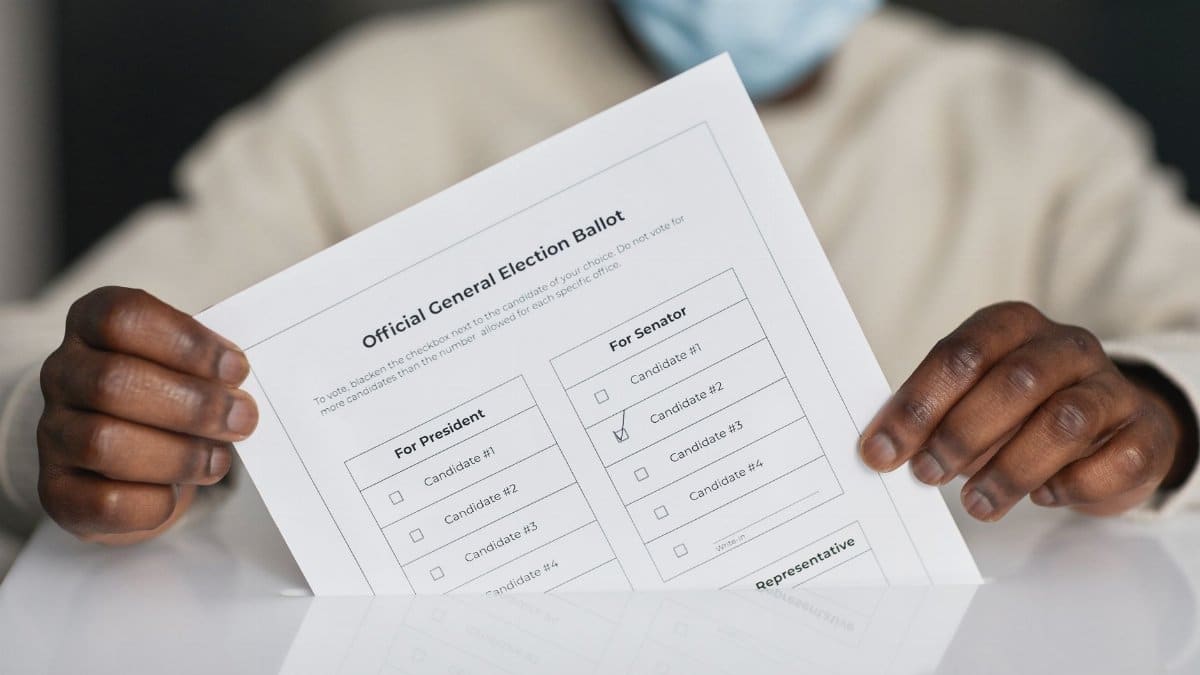
With nominations settled the focus now shifts to how Demuth and Tafoya will perform against Democratic opponents. Their selection during the Minnesota GOP primary positions the party to contest key issues like taxes and public safety with candidates who project a mainstream image. Campaign strategies will likely stress bipartisan cooperation to attract independent voters.
Reactions From Party Leaders

State Republican officials expressed satisfaction with the results viewing them as a step toward regaining ground in statewide offices. Some Trump supporters voiced disappointment yet acknowledged the pragmatic approach taken by primary participants. The outcome may influence future endorsement decisions within the state party structure.
Broader Trends in Republican Politics

The Minnesota GOP primary fits into national conversations about the direction of the party after recent election cycles. Emphasis on electability suggests an effort to rebuild coalitions that include suburban professionals and rural communities alike. Observers will watch whether this approach yields success in November or prompts further internal debate.