

In the summer of 2026 a single observation from Representative Alexandria Ocasio Cortez prompted fresh discussion about how social movements adapt over time. During a wide ranging interview she labeled early expressions of progressive activism as crazy and indicated that phase had concluded. Her AOC Woke 1.0 comments arrived amid ongoing conversations about strategy and messaging inside the Democratic Party.
Origins of the Phrase in Progressive Circles
The term Woke 1.0 emerged years earlier as shorthand for initial waves of awareness campaigns focused on identity and systemic inequality. Activists used it to rally support around issues such as policing and corporate diversity. Over time the label took on a more critical tone among some insiders who saw limitations in its approach.
Details from the Mid August Interview

Ocasio Cortez spoke plainly about the intensity of early rhetoric and its effect on broader coalitions. She noted that certain tactics proved counterproductive when they emphasized division rather than shared goals. Observers parsed her words as a signal that priorities might be shifting toward economic framing.
Reactions Across the Political Spectrum

Conservative outlets seized on the remarks as validation for long held skepticism toward identity focused politics. Progressive voices offered mixed responses with some welcoming a course correction and others defending the foundational work of prior years. Online forums filled with debate about whether the congresswoman had distanced herself from her own base.
Impact on Democratic Party Strategy
Party strategists weighed how such comments could influence midterm messaging. Emphasis on kitchen table concerns gained renewed attention while cultural flashpoints receded in some campaign materials. Donors and volunteers discussed whether a more pragmatic tone would improve turnout among moderate voters.
Comparison with Earlier Movement Shifts

Historians of activism pointed to past transitions such as the move from protest to policy during the civil rights era. Those periods often featured internal arguments about tone and targets. Similar patterns appear today as leaders evaluate what sustains public support over decades.
Media Interpretation and Amplification
News coverage varied by outlet with some highlighting the word crazy while others focused on the suggestion that one era had ended. Pundits on cable programs replayed clips and invited guests to interpret intent. The resulting attention extended the life of AOC Woke 1.0 comments well beyond the original interview.
Views from Grassroots Organizers
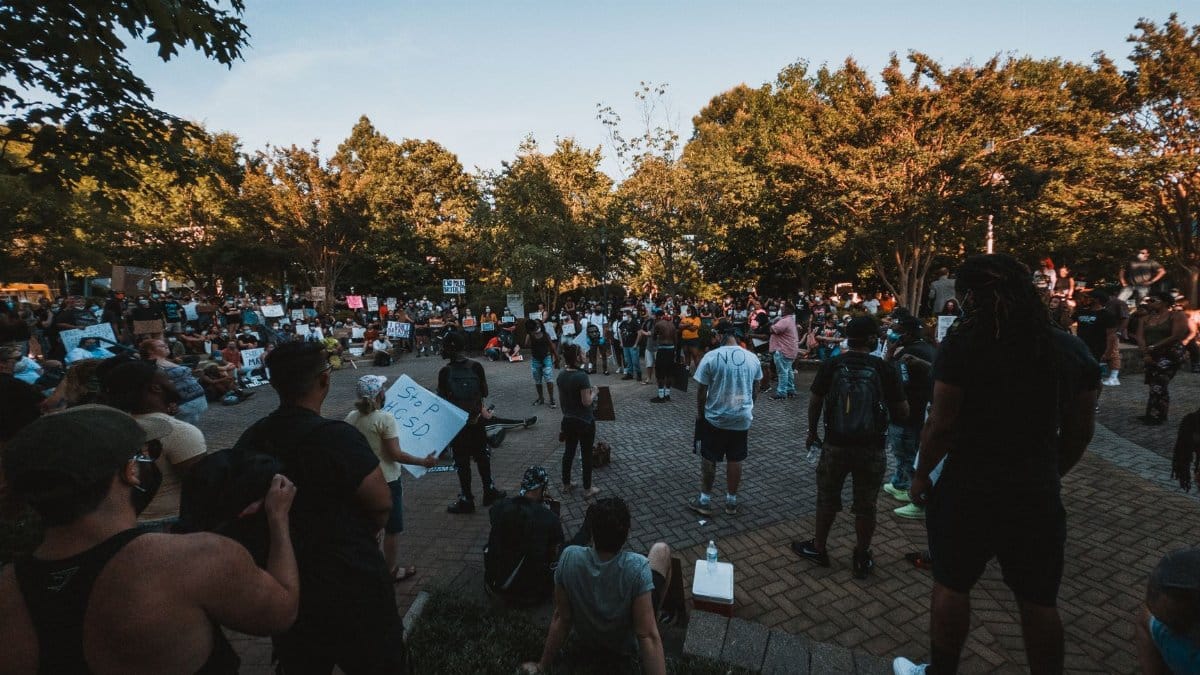
Local activists described a sense of evolution rather than rejection. Many continued community work on housing and wages while adjusting language to reach new audiences. They viewed the congresswoman remarks as permission to adapt without abandoning core principles.
Potential Long Term Effects on Activism
Analysts considered whether the episode would encourage more measured public statements from elected progressives. Younger organizers expressed curiosity about what a subsequent phase might emphasize. Discussions turned to education economic security and climate as areas for unified action.
Broader Cultural Context in 2026
Public opinion surveys showed fatigue with culture war topics in some regions. Voters expressed preference for solutions to inflation and health care access. This environment provided backdrop for leaders to recalibrate emphasis without losing core supporters.