

Residents of the Collin County town of Lucas gathered in a packed community hall last month to voice unified opposition to a proposed commercial development that many fear could transform into a sprawling Lucas data center. The meeting revealed deep attachments to the area’s rural character and quiet pace of life as families described long held traditions of open spaces and neighborly bonds that define their home. Local leaders listened as speakers outlined worries over noise, power demands and changes to the landscape that might erode the very qualities drawing people to settle here decades ago. This outpouring reflects a broader pattern seen in small towns across Texas where rapid technological expansion collides with longstanding community priorities.
Historical Roots of Local Identity

Lucas maintains a modest population and a commitment to preserving agricultural heritage amid suburban growth from nearby Dallas. Families trace their presence back generations with stories of farming and shared stewardship of the land. Such continuity fosters a sense of place that residents say sets their town apart from faster developing neighbors. Discussions at recent gatherings often return to this foundation as a guide for decisions about future projects.
Resident Mobilization Efforts

Organizers circulated petitions and hosted follow up sessions to build awareness after initial proposals surfaced. Volunteers knocked on doors to share details about potential infrastructure needs including high voltage lines and cooling systems typical of large facilities. Attendance at planning meetings has risen steadily with participants emphasizing the need for thorough reviews before any approvals advance. These actions demonstrate a coordinated push to influence outcomes through established civic channels.
Environmental Considerations at Stake
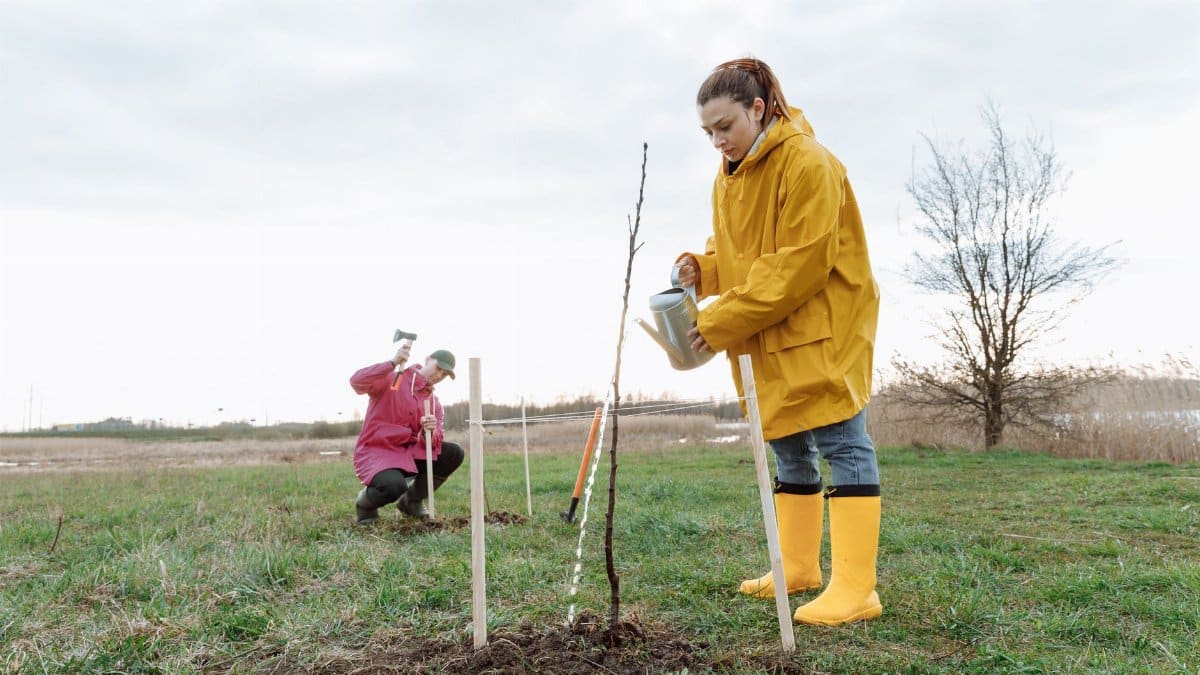
Critics highlight possible strains on water resources and increased energy consumption associated with data operations. Surrounding wetlands and tree cover provide habitats for local wildlife that could face disruption from expanded construction. Air quality concerns arise from backup generators that might run during peak loads or outages. Advocates for caution point to similar installations elsewhere where mitigation measures proved insufficient over time.
Economic Tradeoffs Under Debate

Supporters of the project cite job creation and added tax revenue as benefits for municipal services. Yet skeptics question whether such gains would offset rises in utility costs passed along to households. Property values near comparable sites have shown mixed results according to regional analyses leaving many unsure about long term financial impacts. The conversation centers on balancing growth with protections for existing residential zones.
Role of Local Governance

City council members face pressure to update zoning rules and require detailed environmental assessments. Public records show prior approvals for smaller developments came with conditions that proved hard to enforce later. Residents urge stronger oversight mechanisms including regular reporting on operational effects. This process underscores tensions between economic development goals and community input in decision making.
Comparisons With Nearby Communities
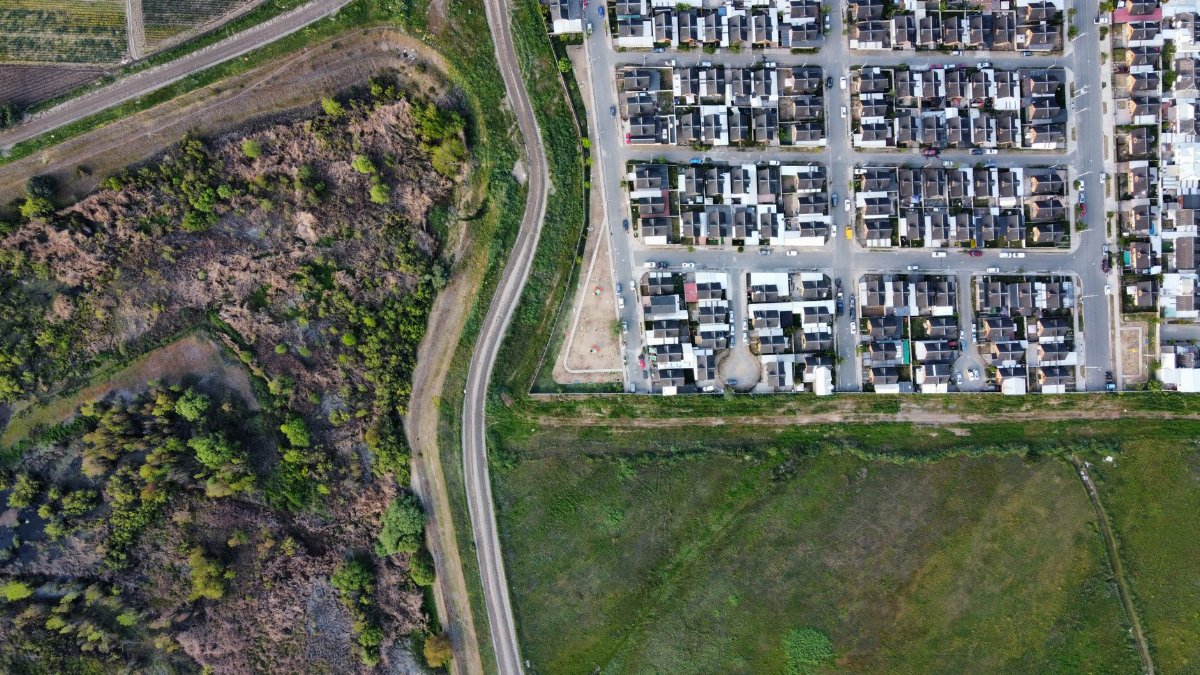
Other Collin County locales have navigated similar proposals with varying degrees of success in limiting scale. Some adopted strict height and noise limits while others saw facilities expand beyond initial plans. Lucas leaders study these examples to craft responses tailored to their setting. Shared regional challenges include managing power grid demands that affect multiple jurisdictions at once.
Community Values and Spiritual Dimensions

Faith based groups in the area frame the issue around stewardship of creation and protection of family centered living. Sermons and study circles touch on themes of responsible progress that honors both innovation and tradition. Participants describe a calling to advocate for the vulnerable including those on fixed incomes who might bear disproportionate burdens from rising costs. This perspective adds depth to civic engagement beyond purely technical arguments.
Potential Paths Forward

Options range from outright rejection of the proposal to negotiated compromises with strict operational caps. Legal experts note that court challenges could delay timelines significantly if environmental reviews fall short. Ongoing dialogue between developers and residents might yield creative solutions such as green buffers or shared infrastructure benefits. The coming months will test the effectiveness of sustained local involvement in shaping outcomes.