
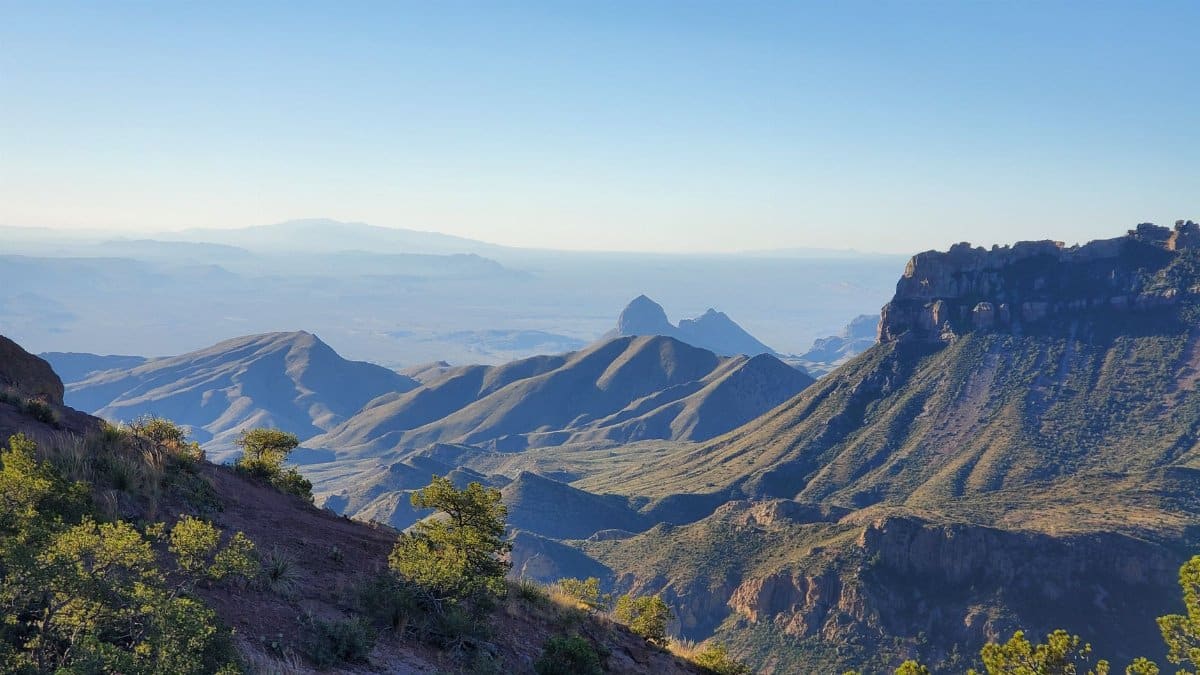
The sun beats down on the rugged terrain of the Chihuahuan Desert, where the Rio Grande carves its path through history and heritage. Here, tensions over land use have boiled over into court, drawing attention to longstanding claims by indigenous communities. A Native American group has initiated the Big Bend lawsuit in an effort to halt construction activities associated with border security measures in this iconic region of Texas. The action raises questions about how federal projects intersect with sacred sites and treaty obligations that stretch back generations.
The Background of Indigenous Claims

Native American tribes have long asserted rights to areas now encompassed by Big Bend National Park and surrounding lands. These assertions rest on ancestral connections that predate modern boundaries and federal oversight. Court documents detail how construction plans could disturb burial grounds and ceremonial locations central to tribal identity.
Details of the Legal Filing

The Big Bend lawsuit outlines specific objections to proposed infrastructure near the international boundary. Plaintiffs argue that environmental reviews fell short of required standards and failed to account for cultural impacts. Attorneys for the group seek an injunction to pause work until proper consultations occur.
Geographic Context of the Region

Big Bend occupies a remote stretch of west Texas known for its dramatic canyons and sparse population. This isolation has preserved many natural features while also complicating access for oversight and public input. The area serves as a corridor for wildlife and a draw for visitors seeking solitude.
Cultural Significance to Tribal Groups

Several tribes trace migration routes and spiritual practices to locations within the project footprint. Elders describe oral histories tied to specific rock formations and river bends. Disruption from heavy equipment threatens to sever these living links to the past.
Federal Border Policies at Issue
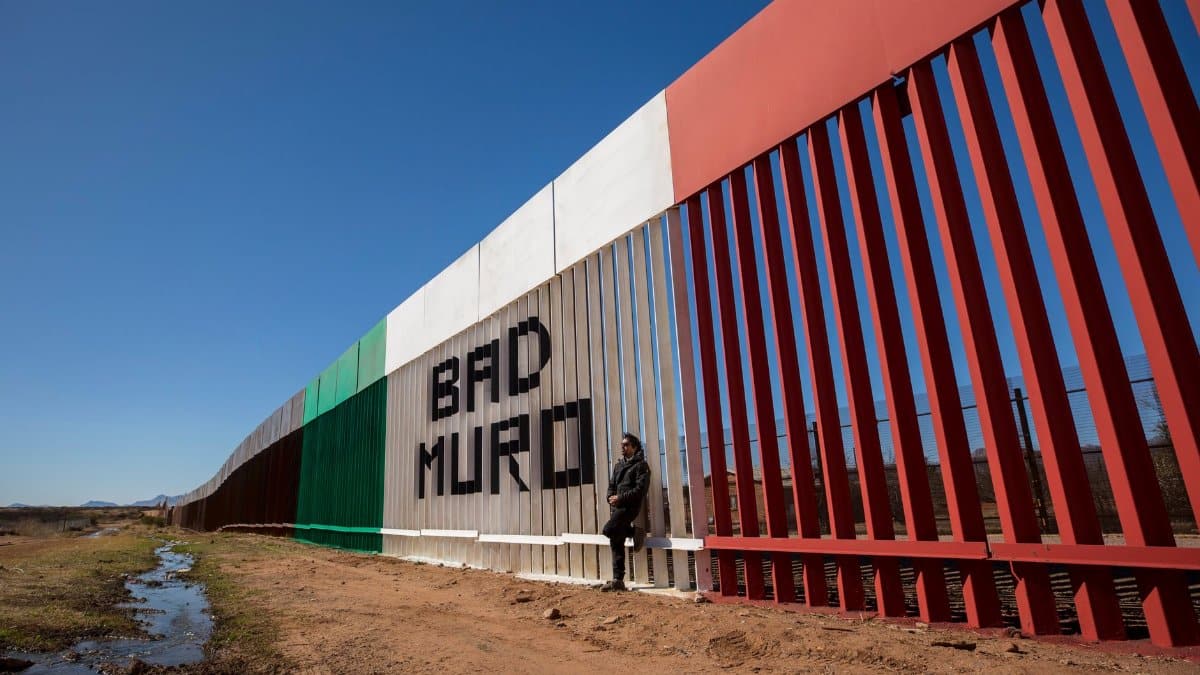
Recent directives have accelerated planning for barriers and access roads along the southern frontier. Proponents cite security needs, yet critics point to procedural shortcuts that bypass standard protections for historic properties. The Big Bend lawsuit tests the balance between these priorities.
Environmental Review Shortcomings

Analyses prepared ahead of construction reportedly omitted full surveys for archaeological resources. Tribes maintain that such gaps violate statutes designed to safeguard irreplaceable heritage. Experts in cultural resource management have echoed concerns about incomplete fieldwork.
Community Reactions in Nearby Towns
Residents in surrounding communities express mixed views on the litigation. Some welcome added scrutiny of rapid development, while others worry about delays in local employment tied to project labor. Town hall meetings have featured heated exchanges over competing visions for the future.
Potential Outcomes and Precedents

Judges could order additional studies or mandate formal talks with tribal representatives. Past cases involving sacred lands have sometimes resulted in rerouted alignments or scaled back footprints. The Big Bend lawsuit may influence how similar disputes unfold elsewhere along the border.
Role of Advocacy Organizations

National groups focused on indigenous rights have lent support through amicus briefs and public statements. These organizations highlight patterns of inadequate consultation across multiple federal initiatives. Their involvement brings greater visibility to the proceedings.
Historical Treaties and Modern Law

Agreements signed in earlier centuries recognized certain land uses and access rights that remain relevant today. Contemporary statutes build upon those foundations yet leave room for interpretation in enforcement. The current case explores those intersections in detail.
Next Steps in the Court Process

Hearings are scheduled to examine evidence on both sides of the dispute. Discovery phases may reveal internal agency communications about site assessments. Observers expect months of filings before any resolution emerges.