
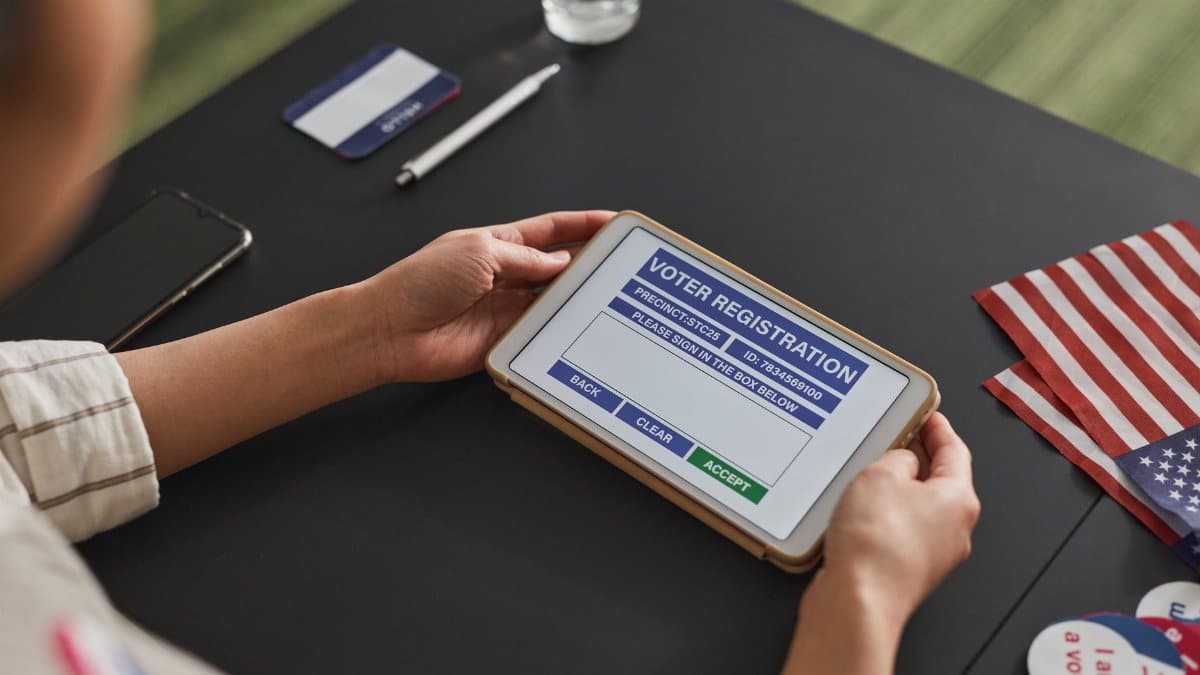
In an era when public trust in institutions hangs by a thread, a recent survey from UC Berkeley has captured attention by revealing divided views on taxing extreme wealth while also highlighting resistance to new voting rules. The findings emerge at a moment when state budgets face pressure from multiple directions, making the billionaire tax poll a focal point for discussions about equity and governance in California.
Survey Reveals Narrow Backing for Wealth Levy

The UC Berkeley Institute of Governmental Studies poll found that likely voters in California edged toward support for a one time tax targeting billionaires, with approval hovering just above 50 percent. This measure would apply to individuals whose assets exceed one billion dollars, aiming to generate revenue for public services without affecting middle income households. Proponents argue the approach addresses growing gaps in resources, yet critics warn it could prompt high net worth residents to relocate.
Opposition Solidifies Against Voter Identification Rules
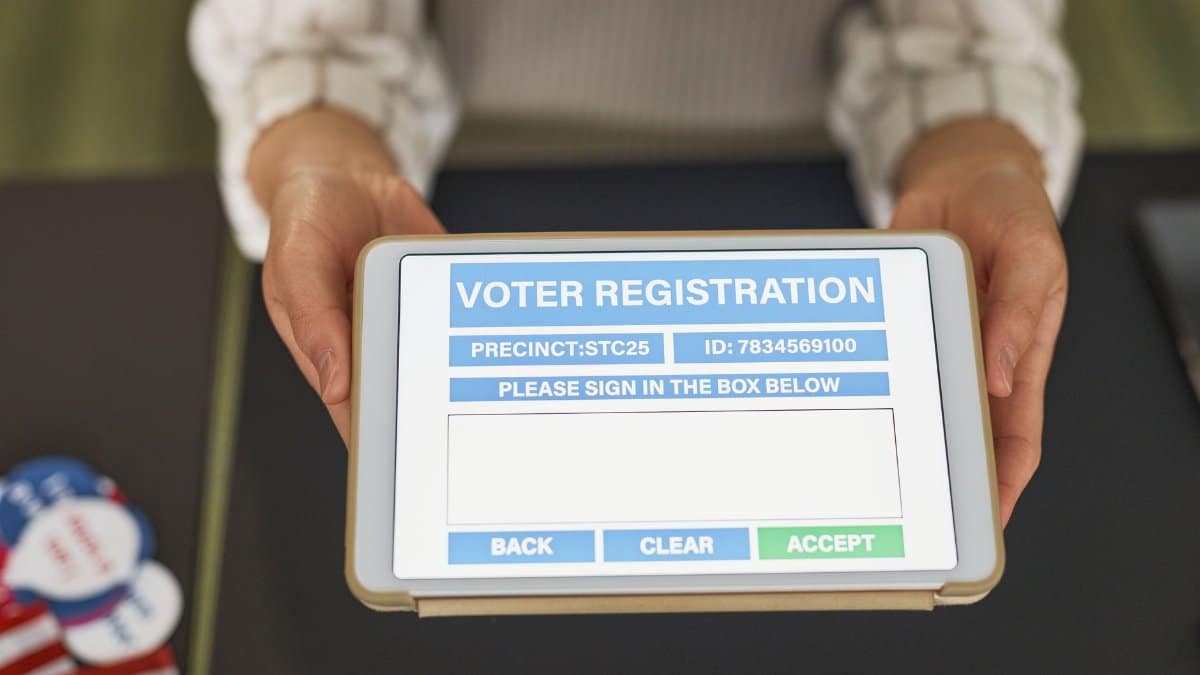
Alongside the tax question, the same survey showed clear disapproval for requiring identification at polling places. Many respondents viewed such rules as unnecessary barriers rather than safeguards, reflecting longstanding concerns about access in diverse communities. This stance aligns with patterns seen in other western states where similar proposals have struggled at the ballot box.
Economic Pressures Shape Voter Priorities

California continues to grapple with housing shortages and infrastructure needs that demand fresh funding sources. The billionaire tax poll underscores how residents weigh these challenges against fears of capital flight. Economists note that even modest revenue from such a levy could support programs in education and healthcare, though modeling varies on long term behavioral responses from those affected.
Regional Differences Emerge in Responses

Urban centers tended to favor the wealth tax more strongly than rural areas, where skepticism about government spending runs deeper. Coastal counties reported higher enthusiasm, perhaps tied to visible inequality in cities like Los Angeles and San Francisco. Inland voters, by contrast, expressed greater worry that new taxes might ripple into higher costs for local businesses.
Historical Precedents Inform Current Debate
Past efforts at wealth related taxation in the state offer lessons for today. Earlier ballot initiatives on high income brackets succeeded in some cases but faced legal challenges afterward. The current proposal attempts to sidestep certain pitfalls by focusing solely on ultra high assets rather than annual income streams.
Political Parties Split Along Expected Lines
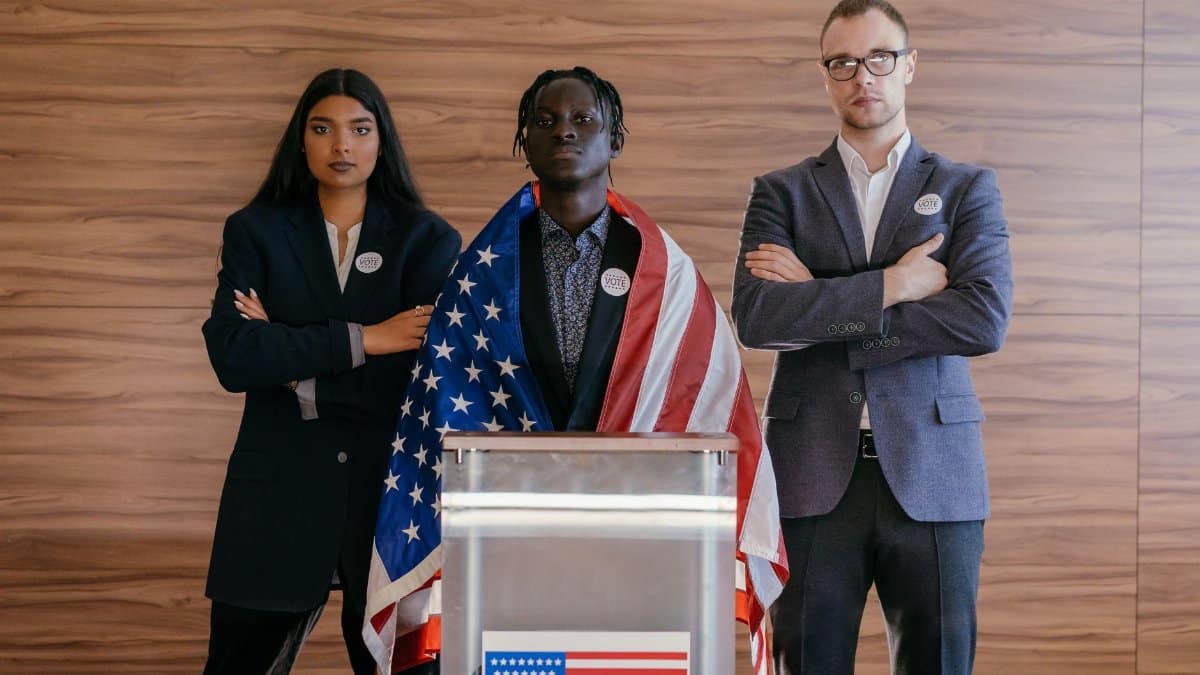
Democrats largely backed the billionaire tax idea as a tool for redistribution, while Republicans highlighted risks to economic vitality. The voter identification measure drew even sharper partisan lines, with conservatives favoring it as a security measure and progressives rejecting it outright. These divides mirror national conversations yet carry unique weight in a state with frequent citizen driven ballot activity.
Potential Revenue Estimates Draw Scrutiny
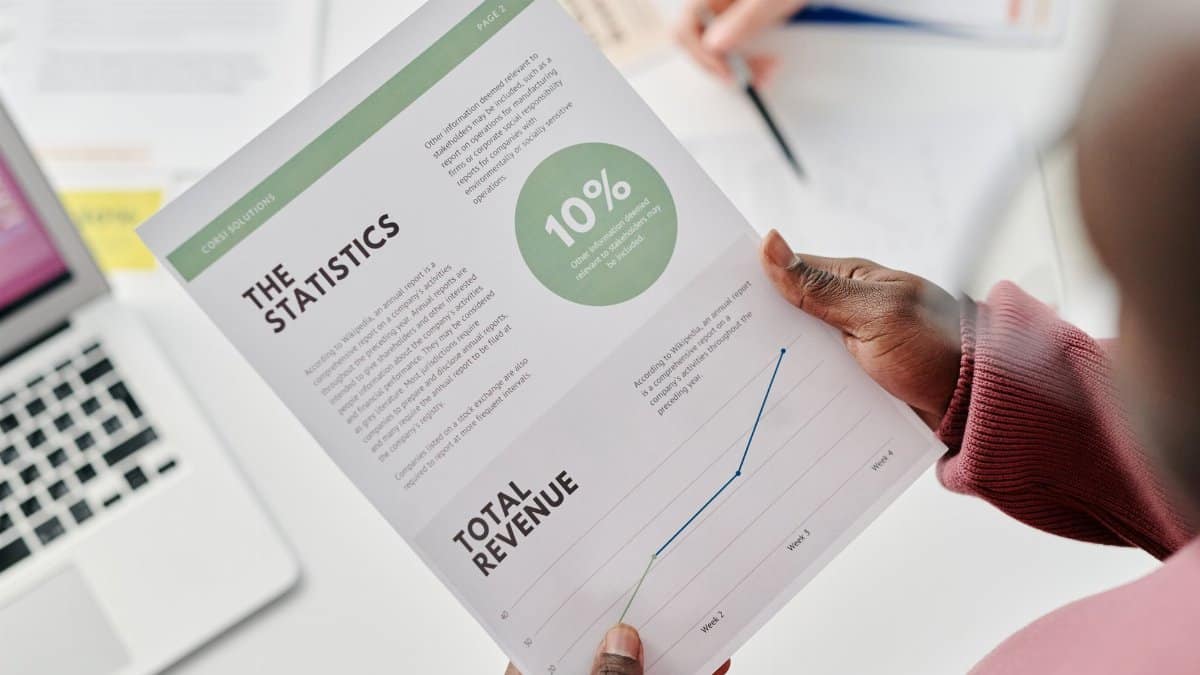
Analysts project the wealth tax could raise several billion dollars annually if implemented, though collection mechanisms remain under discussion. Questions persist about valuation of illiquid assets such as private companies or art collections. The billionaire tax poll suggests public support may hinge on clear explanations of how funds would be allocated.
Comparisons With Other States Offer Perspective
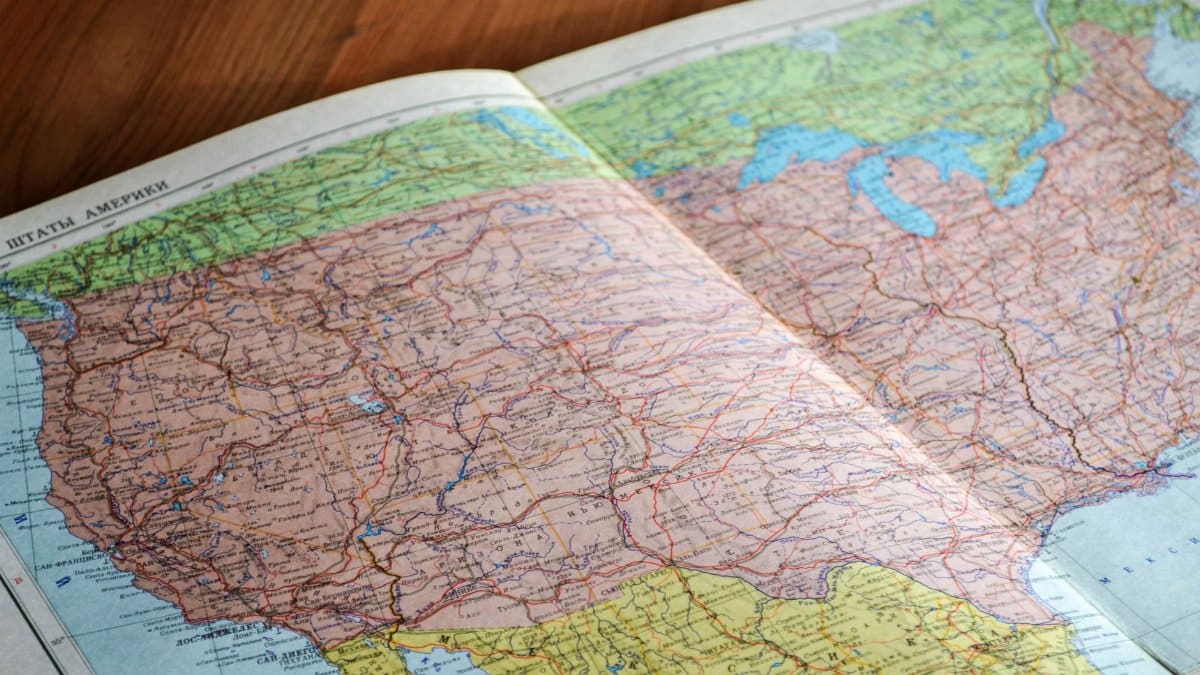
Neighboring states have experimented with different approaches to taxing the affluent, yielding mixed results. Some have seen population shifts among high earners, while others report stable investment climates. California policymakers will likely study these examples closely before advancing any new legislation tied to the survey findings.
Public Trust in Polling Itself Faces Test
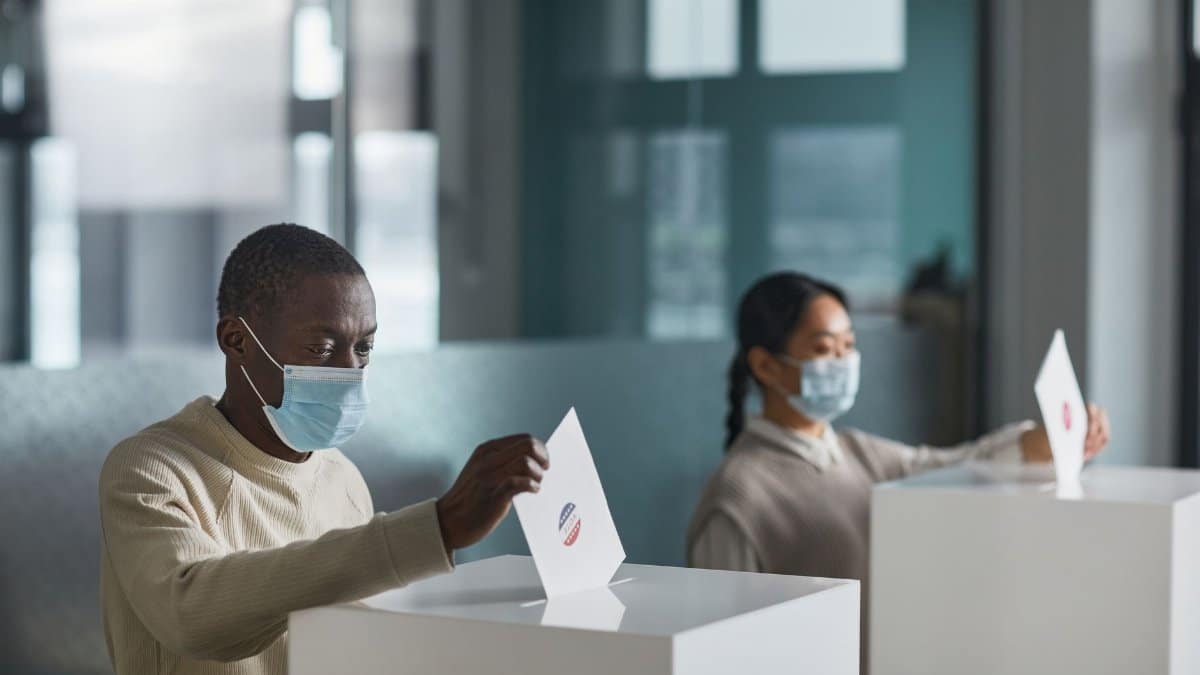
As with any survey, margins of error and question wording influence interpretation of the billionaire tax poll. Organizers at UC Berkeley emphasized representative sampling across demographics, yet skeptics question whether responses capture the full range of views among infrequent voters. Transparency in methodology helps, but broader cynicism toward data driven claims persists.
Future Ballot Prospects Remain Uncertain
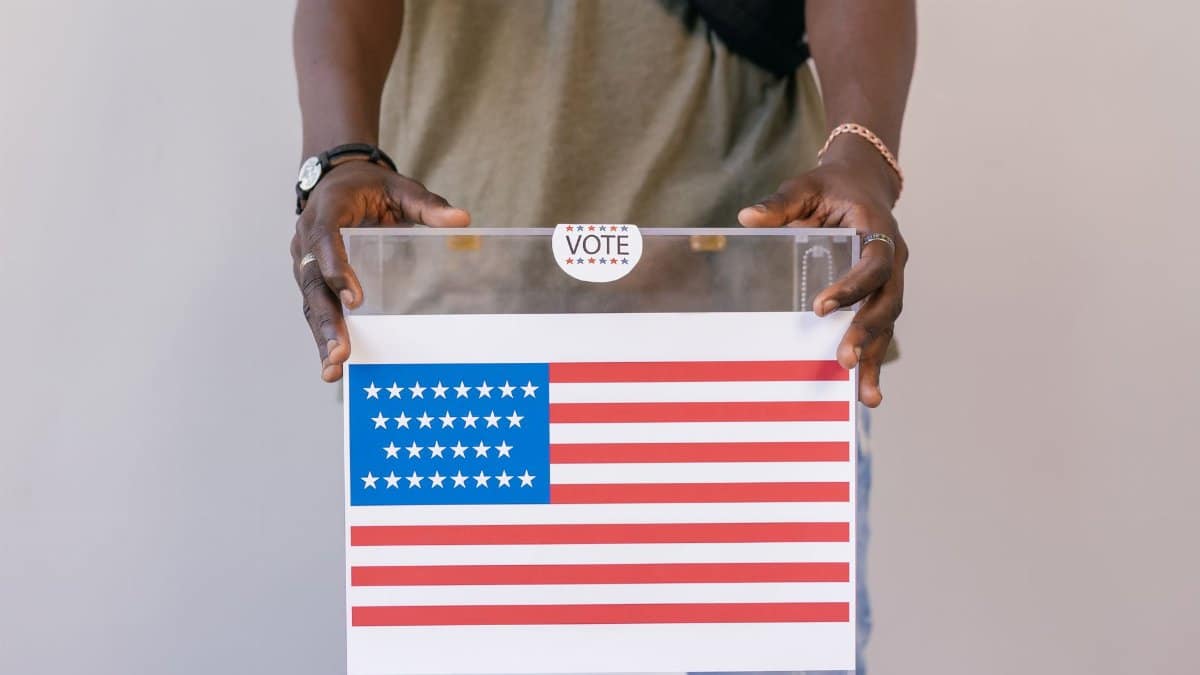
With the survey results now public, advocates on both sides prepare messaging campaigns ahead of potential 2026 measures. Success may depend on framing the tax as a temporary fix rather than permanent policy. Meanwhile, opposition to identification requirements appears firm enough to discourage similar proposals in the near term.
The poll ultimately paints a portrait of a state electorate willing to consider novel revenue tools yet protective of voting access traditions. As debates unfold, the outcomes will shape fiscal strategies and civic norms for years ahead.