

In the chambers where local leaders gather to shape policy for millions, a recurring debate surfaced once more this week. Harris County officials reviewed plans to increase revenue for supporting the youngest residents, only to set them aside for another year. Judge Lina Hidalgo put forward her idea to fund expanded services through higher taxes, yet the measure could not secure the needed votes. Observers noted the Hidalgo childcare tax effort highlighted deep divisions over how best to invest in community resources and family support systems. The vote came after hours of discussion that touched on budget limits, competing priorities and questions about long term effects for working families across the area.
Examining the Vote Outcome
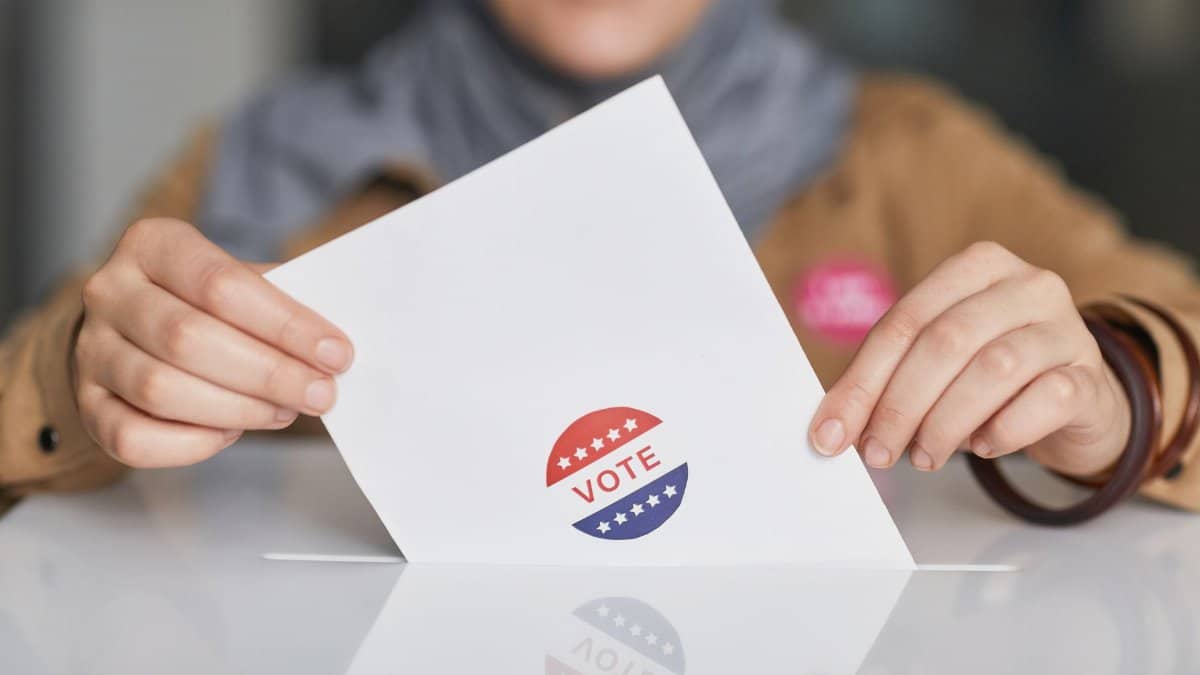
Commissioners cited concerns over rising costs for households already stretched by inflation and other fees. Several members expressed support for the goals of better early education access yet argued that the timing and scale of the proposed levy required more study. This rejection marks the second straight year the idea has fallen short, leaving advocates to consider alternative paths forward.
History of Funding Efforts

Prior attempts to secure dedicated money for these programs have met similar resistance in recent sessions. Local government has relied on grants and existing allocations, which often fall short of covering all eligible families. The pattern shows how difficult it can be to build consensus around new revenue sources even when the need appears clear to many residents.
Impact on Working Families

Many parents in the county juggle multiple jobs while seeking reliable care for infants and toddlers. Without additional public investment, options remain limited and expensive for those outside higher income brackets. Data from area surveys indicate that access gaps contribute to stress and reduced workforce participation among caregivers.
Perspectives from Local Advocates

Groups focused on child development praised the intent behind the proposal while acknowledging the political realities that led to defeat. They point to research linking quality early programs with better school readiness and future economic mobility. Some plan to pursue smaller scale pilots through private partnerships in the meantime.
Fiscal Considerations for the County
Budget officials noted that any tax adjustment would have required careful balancing against other pressing needs such as infrastructure and public safety. Projections showed potential revenue but also warned of administrative hurdles in distributing funds effectively. The debate underscored ongoing tensions between immediate spending demands and investments with delayed returns.
Comparisons with Other Regions

Nearby counties have experimented with different models for supporting early care, sometimes blending state aid with local contributions. Those experiences offer lessons on what works and what creates unintended burdens. Hidalgo and her colleagues may look to those examples when refining future proposals.
Potential Paths Ahead

With the current idea set aside, attention turns to possible revisions or new coalitions that could build broader backing. Community forums and task forces might help surface fresh ideas that address both funding and implementation concerns. The issue is unlikely to fade given demographic trends and persistent calls for support.
Role of Public Input

Residents have shared views through hearings and written comments, revealing a mix of enthusiasm for expanded services and caution about added costs. This feedback loop shapes how elected leaders approach similar measures in subsequent cycles. Engagement remains key to any lasting solution.