
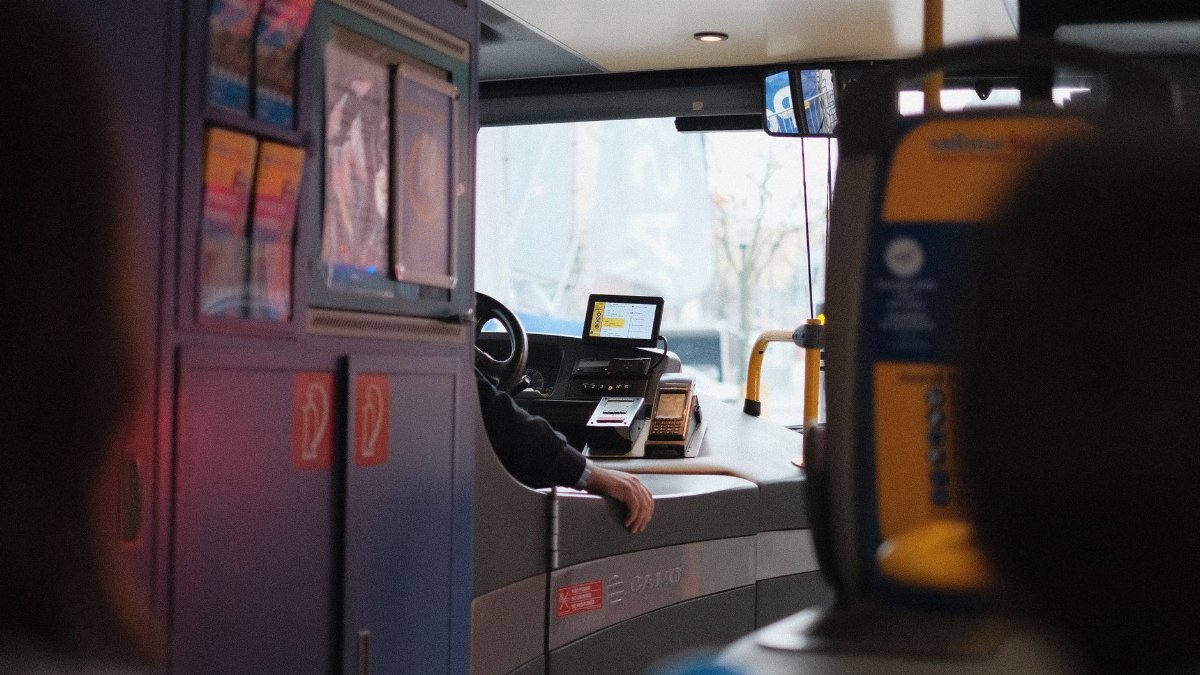
Observers have noted that many riders on Maryland buses manage to travel without paying the required fare. This issue of MTA fare evasion has drawn attention from officials who struggle to measure the full impact on budgets. Recent assessments suggest the losses could reach tens of millions each year yet precise figures remain elusive. Agency leaders acknowledge the problem but face challenges in tracking every instance across busy routes and varied payment methods. For middle aged commuters who rely on these services the situation raises questions about fairness and system sustainability. Data from monitoring efforts shows patterns that vary by time and location leaving planners to consider new approaches without clear revenue projections.
Challenges in Measuring Losses

Maryland Transit Administration staff have implemented cameras and random checks to observe rider behavior yet quantifying every missed payment proves difficult. Routes in urban areas see higher volumes making it hard to isolate specific causes of nonpayment. Officials note that some riders may forget or face technical issues with cards while others intentionally avoid payment. Without comprehensive tallies the agency cannot pinpoint exact shortfalls leading to estimates rather than firm numbers. This uncertainty affects planning for improvements and service expansions that depend on steady income.
Impact on Daily Operations

Bus schedules and maintenance plans suffer when expected funds fall short. Drivers and supervisors spend extra time addressing disputes over fares which disrupts flow during peak hours. Resources that could support more frequent trips or better vehicle upkeep get diverted to enforcement instead. Riders who pay regularly may notice crowded conditions or delays tied to these gaps in collection. Over time such pressures could lead to broader adjustments in how the network functions for everyone involved.
Public Views on Enforcement

Community members express mixed feelings about stricter checks at entry points. Some appreciate efforts to ensure all contribute while others worry about added hassles for those with limited means or mobility concerns. Discussions in local forums highlight a desire for balanced solutions that maintain accessibility without alienating users. Feedback often points to education campaigns as a preferable first step over immediate penalties. These conversations shape how policies evolve in response to rider input.
Comparisons With Other Systems

Transit networks in nearby regions employ different tools like electronic gates or mobile apps to reduce missed payments. Maryland efforts focus more on voluntary compliance paired with occasional audits. Results from those other places show varied success rates depending on infrastructure and cultural factors. Lessons from such examples could inform adjustments here though local conditions require tailored applications. Ongoing reviews consider what adaptations might fit best within existing budgets.
Potential Revenue Recovery Options

Agency reports explore options such as improved signage or partnerships with community groups to encourage proper payment. Technology upgrades like contactless readers might simplify the process and cut down on oversights. Pilot programs in select areas test these ideas before wider rollout. Success would depend on clear communication and minimal disruption to service. Long range goals include closing the gap without raising costs for compliant users.
Effects on Future Planning

Budget forecasts rely on accurate income predictions to guide expansions or repairs. Unaccounted shortfalls from MTA fare evasion complicate decisions about new lines or fleet updates. Planners must build in buffers that limit ambitious projects. Collaboration with state leaders helps secure supplemental support during shortfalls. Transparent reporting builds trust and aids in securing necessary backing for the network.
Role of Technology in Tracking
Advanced sensors and data analytics offer ways to better estimate volumes and patterns. Integration with existing payment platforms could provide real time insights. Staff training on these tools supports more effective monitoring without constant manual checks. Privacy considerations remain key in any expansion of surveillance methods. Careful implementation aims to respect rider rights while addressing financial needs.
Broader Economic Context
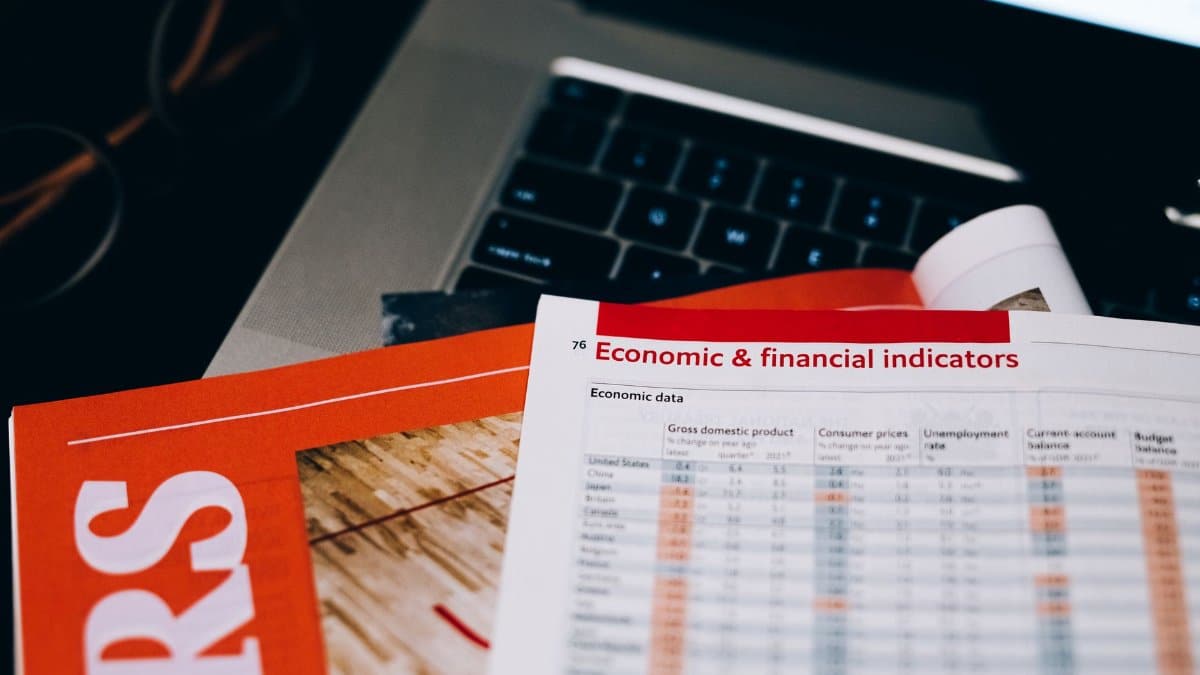
Transit funding supports jobs and regional connectivity that benefit businesses and residents alike. Shortfalls tied to unpaid fares ripple through supply chains and service quality. Advocates push for solutions that sustain the system as a public good. Economic analyses tie reliable transit to overall vitality in cities and suburbs. Addressing these issues contributes to stable growth across sectors.