
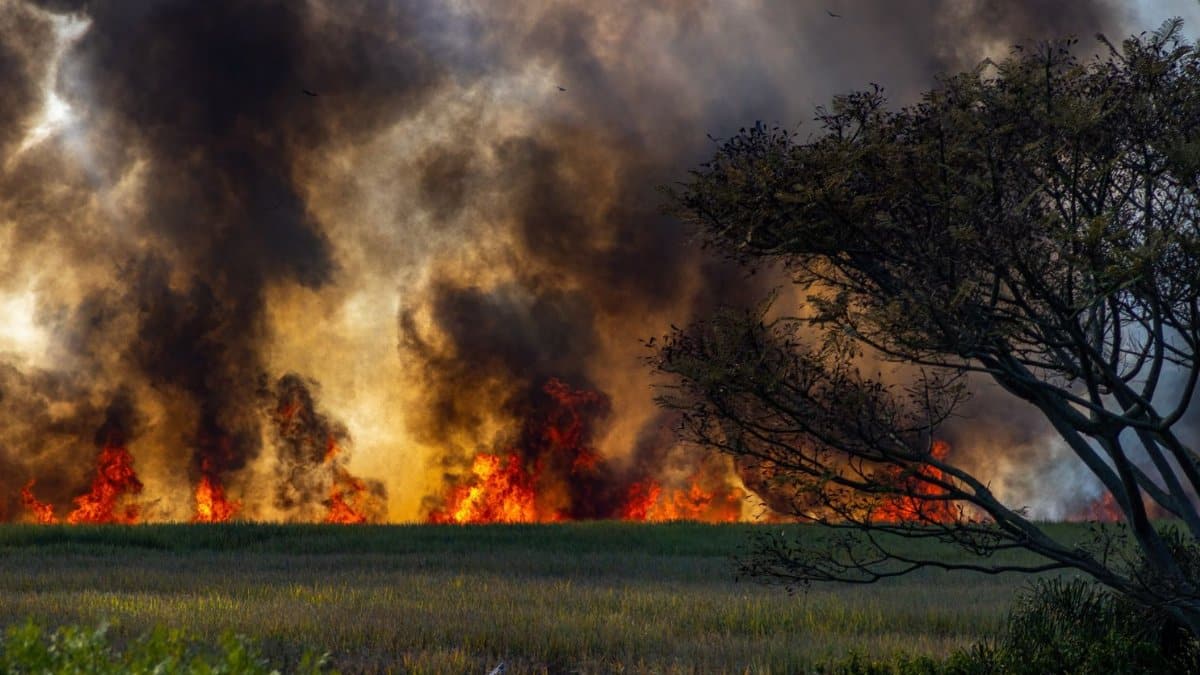
Residents across southeast Michigan have observed a familiar yet subdued haze drifting overhead in recent days. This occurrence stems from distant western blazes sending plumes eastward and wildfire smoke Detroit has made its presence felt once more though with notably reduced intensity compared to prior episodes. Forecasters attribute the milder conditions to shifting wind directions and less aggressive fire activity this season. Many locals recall earlier instances when outdoor activities faced greater restrictions and air monitors registered higher particulate levels. The current situation prompts reflection on how environmental changes connect communities across vast distances and encourages ongoing vigilance without widespread alarm. Experts emphasize that preparation remains essential even when effects prove less severe than anticipated.
Tracing the Path of Distant Blazes

Winds carry emissions from forests in states like Oregon and California across the continent. These currents often follow jet stream routes that bring material to the Great Lakes area within several days. Monitoring stations track the movement allowing advance warnings for sensitive groups. In past years stronger flows led to thicker layers settling over urban zones but recent patterns show dilution before arrival.
Comparing Air Quality Readings Over Time

Data from local agencies reveal that peak concentrations this season stayed below thresholds seen in 2023 and 2024 events. Sensors in Wayne and Oakland counties recorded moderate indices rather than unhealthy spikes. This difference arises partly from rainfall in source regions that limited fuel for fires. Residents with respiratory concerns still checked daily updates to adjust plans accordingly.
Health Considerations for Vulnerable Populations

Children elderly individuals and those with asthma benefit from staying indoors during peak haze hours. Medical professionals recommend keeping windows closed and using filtered ventilation systems when possible. Community centers opened as temporary clean air spaces in previous episodes though fewer calls came this time. Education campaigns continue to stress awareness of symptoms like coughing or shortness of breath.
Spiritual Dimensions of Environmental Awareness

Many faith communities view such atmospheric shifts as prompts for deeper contemplation on humanity’s bond with the natural world. Prayer gatherings and discussion groups have explored themes of stewardship and collective responsibility. This trend aligns with broader movements where spiritual leaders address climate concerns as moral imperatives rather than solely scientific matters.
Local Responses and Preparedness Measures

City officials in Detroit and surrounding suburbs maintain updated response protocols based on federal guidelines. These include public alerts via apps and websites along with distribution of masks at libraries. Schools review recess policies to limit outdoor exposure on hazy days. Coordination with state environmental departments ensures timely information reaches the public.
Economic Ripple Effects on Daily Life

Businesses in tourism and outdoor recreation note minor dips when haze lingers though impacts remain smaller this season. Construction projects sometimes pause for worker safety while delivery services adapt routes. Insurance discussions occasionally touch on long term risks from recurring events but focus stays on immediate adaptations.
Future Outlook and Climate Connections

Researchers project that such cross country smoke events may occur more frequently as warming trends extend fire seasons. Adaptation strategies include urban tree planting for natural filtration and improved building standards. International cooperation on fire management could reduce source emissions over time.
Community Stories of Adaptation

Families describe adjusting routines such as evening walks moved indoors or gardening limited to early mornings. Local artists capture the altered skies in works that blend beauty with cautionary notes. These personal accounts highlight resilience while underscoring the value of shared environmental care.