
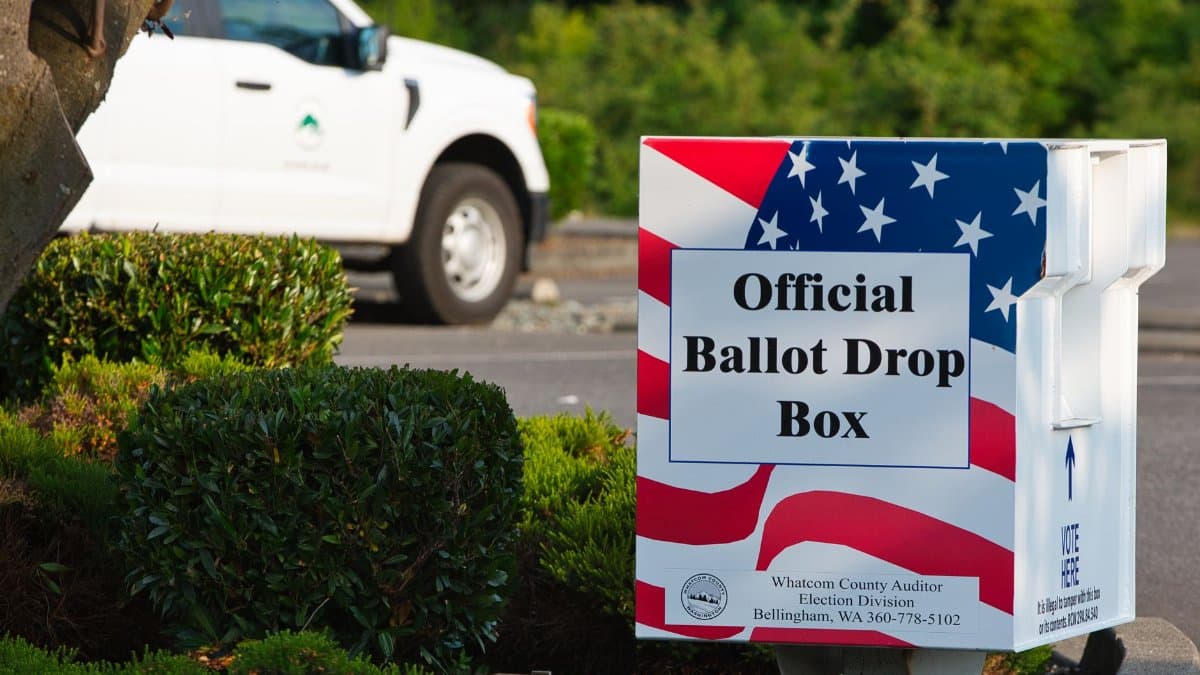
In a close contest that caught many observers off guard, voters across Oakland County decided against a proposed funding measure tied to Oakland school millage. The outcome leaves local districts to navigate budget pressures without the added revenue that supporters had argued would support classroom improvements and staff retention over several years. Turnout patterns showed divisions between urban and suburban precincts, with the measure falling short by a slim margin after months of public discussion and door to door campaigning.
Details Behind the Ballot Measure

The rejected plan called for a regional enhancement that would have generated roughly one hundred twenty six million dollars each year through a modest property tax increase. Proponents highlighted needs in aging facilities and expanded course offerings, while critics raised concerns over added burdens on homeowners already facing rising costs in other areas.
Voter Sentiment Across the Region

Precinct level results revealed pockets of support in some communities alongside stronger opposition elsewhere. Many residents cited uncertainty about how the funds would be allocated as a key factor in their decision, even as school leaders emphasized transparent oversight mechanisms built into the original request.
Potential Effects on Local Districts

Without the new revenue stream, administrators now face choices about program cuts or shifts in priorities for the coming academic year. Some districts may seek alternative grants or partnerships, though these options often come with restrictions that limit flexibility compared to locally controlled resources.
Historical Context for School Funding Votes

Similar measures in neighboring counties have met mixed results in recent cycles, with passage often depending on clear communication about specific benefits such as technology upgrades or smaller class sizes. Past successes tended to occur when campaigns focused on direct impacts rather than broad promises.
Reactions from Education Leaders

Superintendents and board members expressed disappointment yet voiced commitment to ongoing advocacy for adequate resources. Several noted that the defeat underscores the challenge of building consensus around tax supported initiatives in an era of economic caution among middle income households.
Next Steps for Advocates and Officials

Groups that backed the measure are already reviewing feedback from voters to refine future proposals. County officials have indicated they will monitor enrollment trends and performance data to identify areas where existing budgets can stretch further through efficiency gains.
Broader Implications for Michigan Education

The Oakland County outcome may influence how other regions approach funding requests in upcoming elections. Observers suggest that campaigns will need to address both immediate classroom needs and long term fiscal planning to gain wider acceptance.
Community Discussions Moving Forward

Public forums are expected in the weeks ahead as parents, teachers and taxpayers weigh options for supporting schools through volunteer efforts or private contributions. These conversations could shape the tone of any renewed push for regional collaboration on education priorities.