

Recent revelations from a Minnesota newspaper have sparked fresh debate over how communities collect and share vehicle information. Several suburbs near Minneapolis and Saint Paul now face pressure to limit access to records gathered by automated systems. The changes come after questions arose about searches tied to federal immigration enforcement. In this climate, license plate cameras have drawn particular attention for their role in everyday monitoring.
The Star Tribune Probe and Its Findings

A detailed examination by the Star Tribune revealed that officers in some suburbs had used data from automated readers to assist federal agents with immigration matters. The inquiry showed repeated queries that extended beyond local traffic enforcement. Public records requests brought these patterns to light and prompted elected officials to reconsider existing agreements. Residents expressed surprise that routine vehicle tracking could feed into broader enforcement efforts.
Suburban Policy Shifts on Data Access

Several cities have moved quickly to tighten rules around who can view stored images and associated details. New ordinances require higher levels of approval before information leaves local servers. Officials cite a desire to restore public trust while still allowing legitimate law enforcement use. These measures stop short of removing the systems entirely yet mark a clear pullback from earlier open sharing practices.
Technology Behind Automated Readers
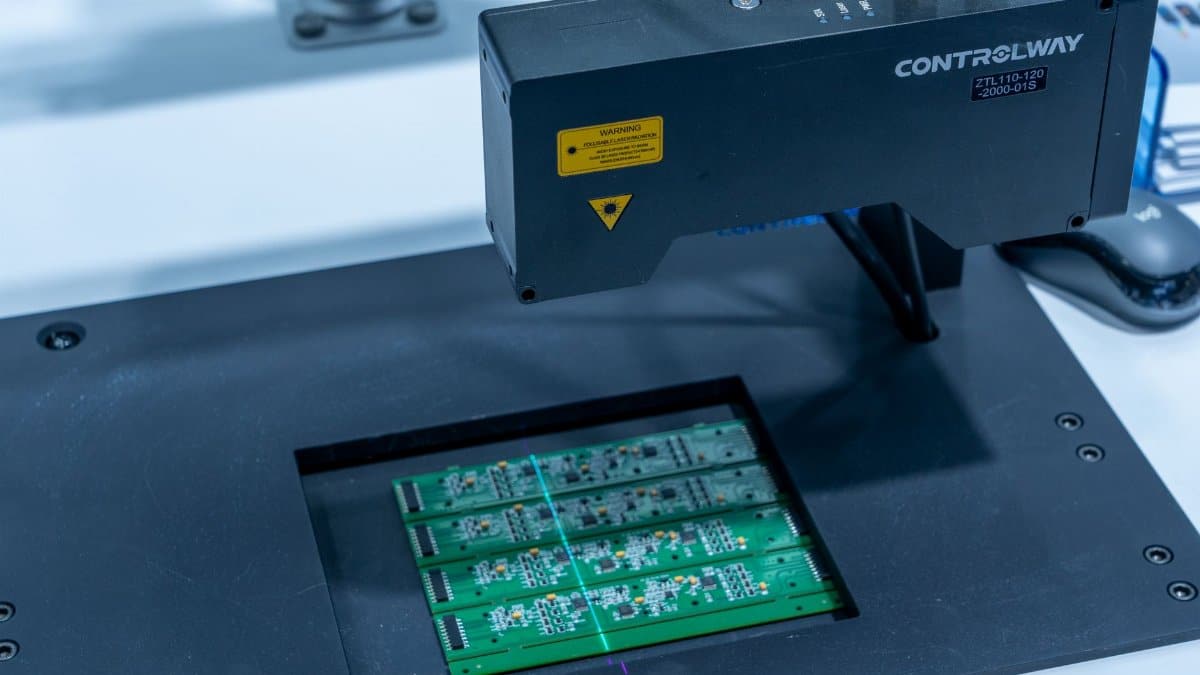
License plate cameras operate by capturing images of passing vehicles and converting the visual data into searchable records. The devices sit on poles or patrol cars and log time, location, and plate numbers. Vendors market them as tools for recovering stolen cars or locating missing persons. Their expanding presence in suburban areas has raised questions about storage duration and secondary uses of the collected material.
Privacy Concerns Among Residents

Many people living in affected suburbs worry that constant recording creates a detailed map of daily movements. Even when no crime is suspected, the data can remain available for months. Community meetings have featured residents asking whether such surveillance aligns with expectations of freedom in public spaces. Advocates argue that clear limits must accompany any new technology that documents routine travel.
Role of Private Vendors in Local Systems

Companies that supply the cameras often retain copies of the data or provide cloud platforms for access. Contracts between vendors and cities determine how long records stay available and who else may request them. Critics note that these arrangements can create incentives to expand usage over time. Some suburbs are now reviewing those contracts to insert stricter controls on third party access.
Immigration Enforcement and Data Sharing
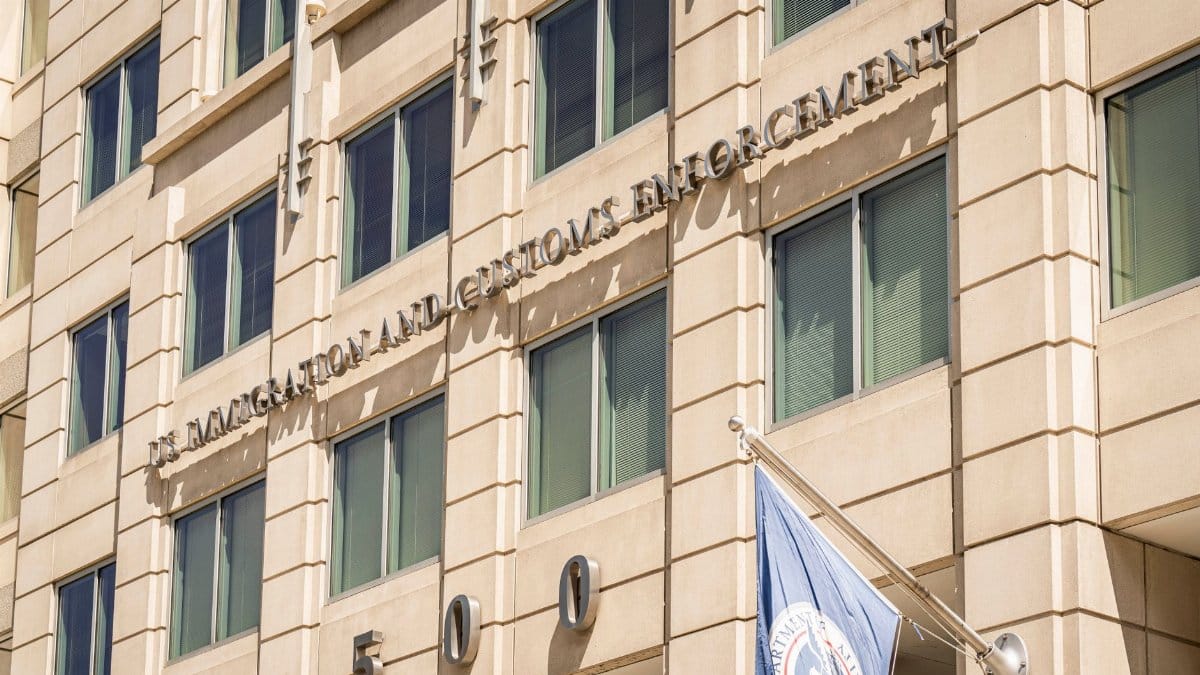
The Star Tribune reporting highlighted instances where local records assisted federal immigration authorities. This connection surprised residents who viewed the cameras as tools for solving local crimes only. Officials in several cities have since stated they will no longer permit such queries without additional oversight. The episode illustrates how data collected for one purpose can migrate to others.
Broader Trends in Surveillance Adoption
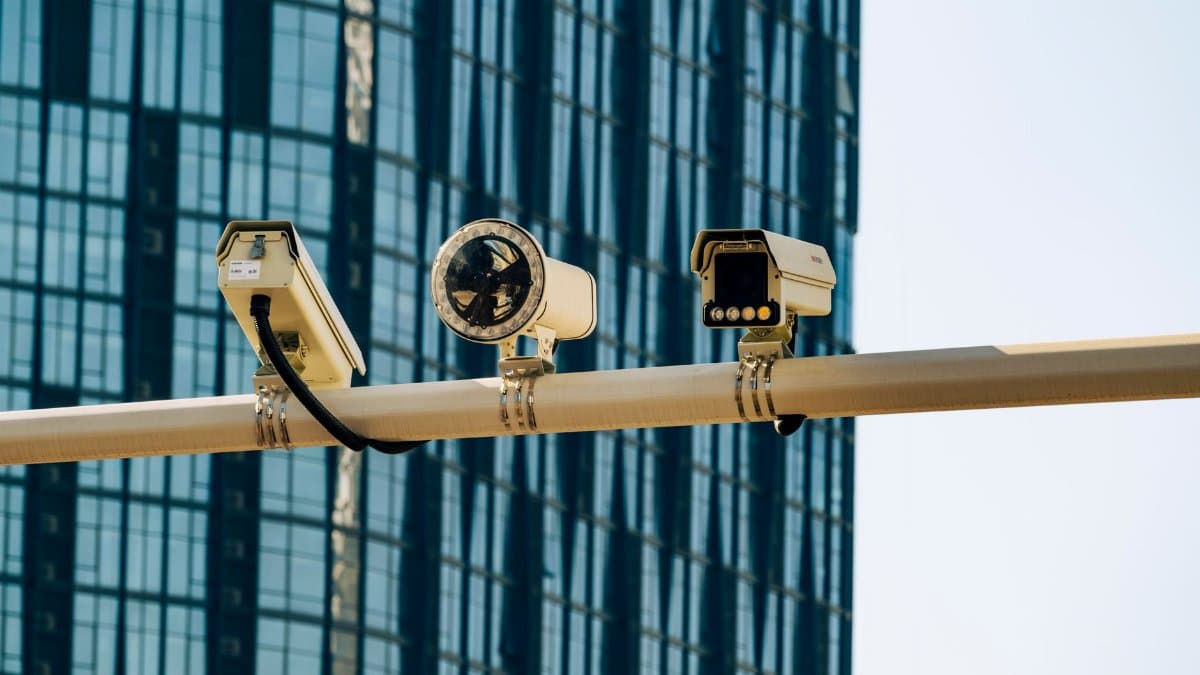
Across the country, suburban police departments have embraced automated readers as budgets allow. Proponents point to improved recovery rates for stolen property and faster responses to Amber Alerts. Yet the Minnesota experience shows that rapid deployment can outpace public discussion of limits. Other regions may watch the Twin Cities adjustments for guidance on balancing safety and oversight.
Community Meetings and Public Input

Forums held in recent weeks have given residents a chance to voice opinions on future use of the systems. Some speakers called for complete removal while others supported continued operation with tighter rules. City councils have listened to these comments before drafting revised policies. The process has varied by suburb, reflecting different political climates and prior experiences with the technology.
Future Outlook for Local Oversight
As more suburbs finalize new guidelines, attention turns to enforcement and possible legal challenges. State lawmakers have also signaled interest in uniform standards that could apply beyond the Twin Cities region. The current adjustments demonstrate how investigative reporting can influence policy even after systems are already in place. Continued public engagement will likely shape whether further restrictions follow.