
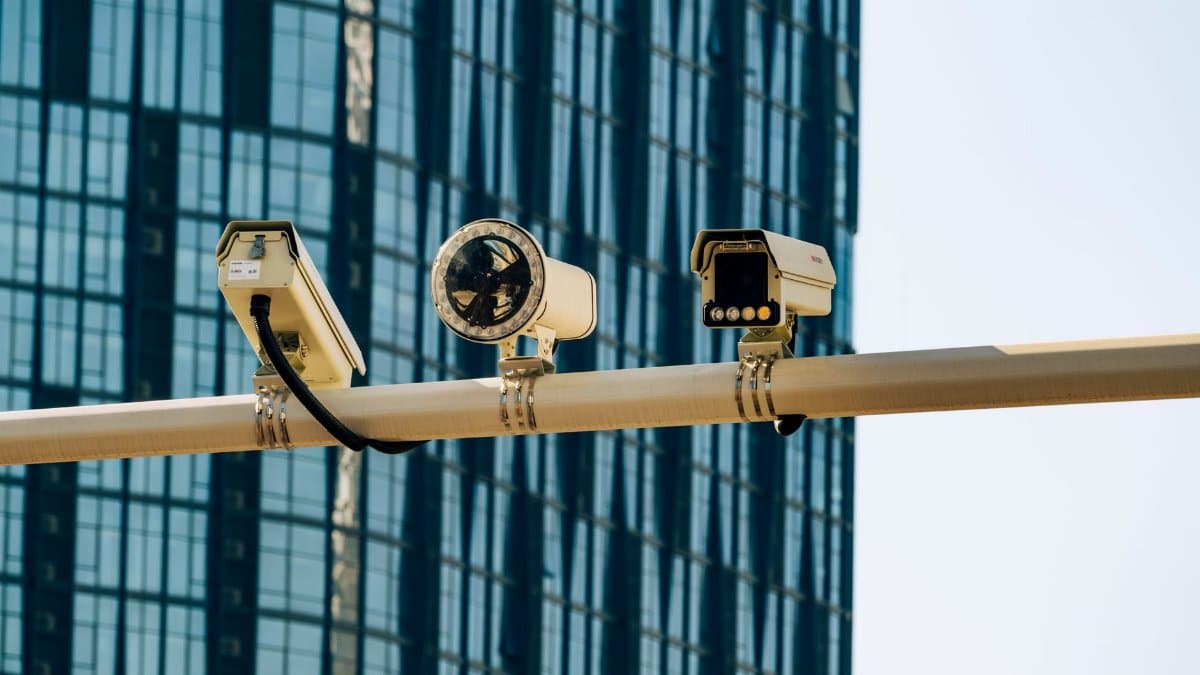
The contest for governor in Florida has thrust an unexpected issue into the spotlight as candidates debate the expanding use of license plate cameras along highways and city streets. What began as a tool for locating stolen vehicles now raises questions about data collection and daily movement tracking in a state preparing for its next election cycle. Voters in both parties are hearing appeals that frame these systems as either essential for public order or a step too far into personal affairs.
Origins of Automated Monitoring Systems
License plate cameras first appeared in Florida through partnerships between local agencies and technology firms seeking to improve recovery rates for missing cars. Over time the networks grew to cover major corridors and urban zones where traffic volume supports constant operation. Officials describe the equipment as a passive recorder that matches plates against lists of wanted vehicles without requiring officers to stop drivers at random.
Campaign Rhetoric and Voter Reactions
Candidates in the 2026 contest have begun to reference license plate cameras when discussing safety records and government reach. One side emphasizes reduced crime through faster alerts while the other warns of aggregated records that could follow residents for years. Polls indicate middle aged voters remain split with many unsure how much information is stored or shared beyond immediate law enforcement needs.
Technical Capabilities and Data Handling
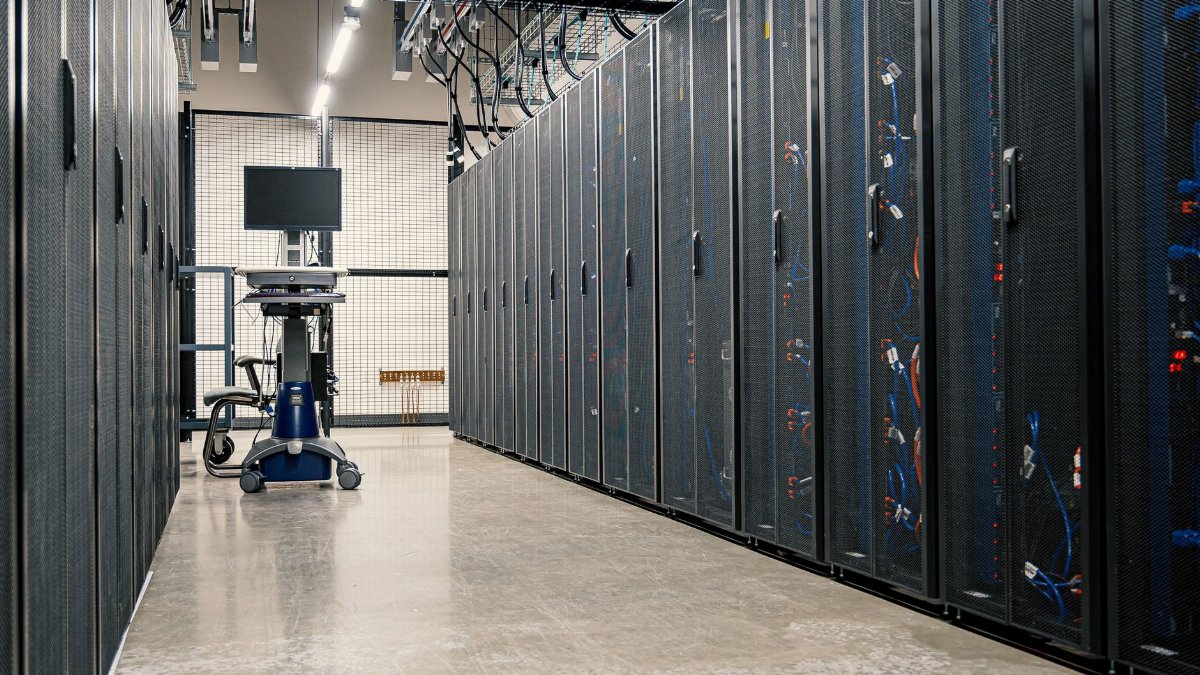
Modern units capture images at high speed and transmit details to central servers where software compares plates to active alerts. Retention periods vary by jurisdiction with some departments keeping records for weeks and others for months. Proponents note that access logs exist to prevent misuse yet critics question whether those safeguards receive regular audits.
Comparisons With Neighboring States
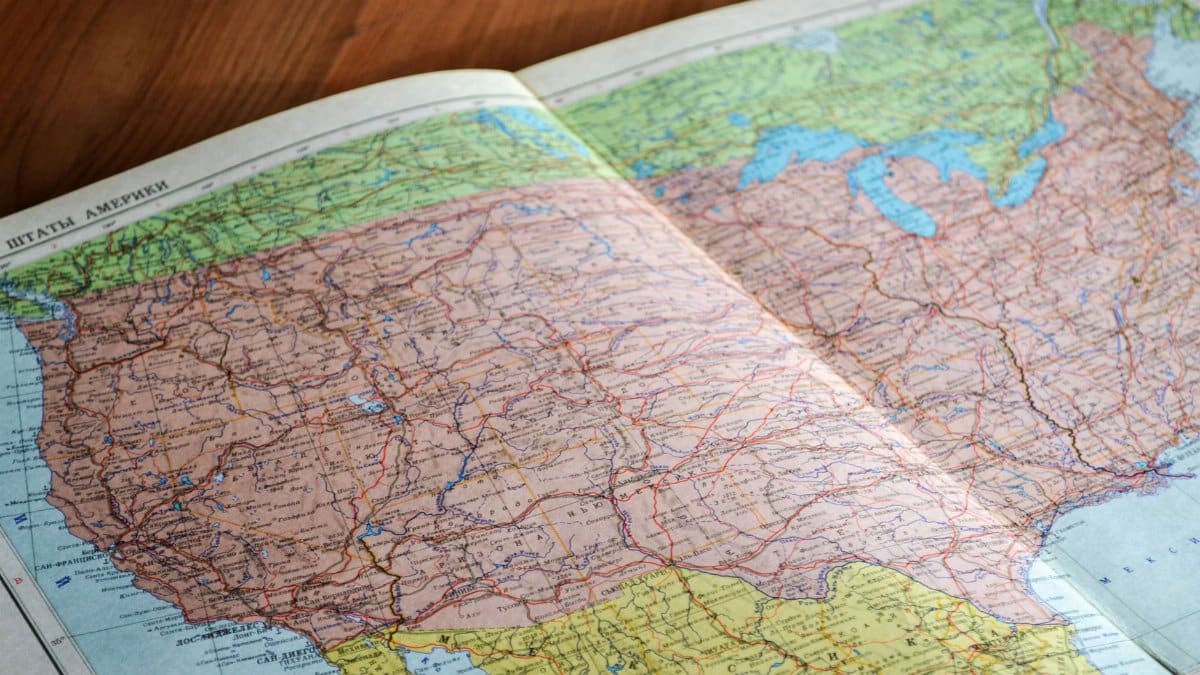
Texas and Georgia operate similar networks but with different rules on storage length and third party access. Florida officials have studied those models while drafting proposals that would standardize procedures across counties. The resulting framework could influence how future contracts are awarded and which vendors supply the hardware.
Impact on Everyday Travel Patterns
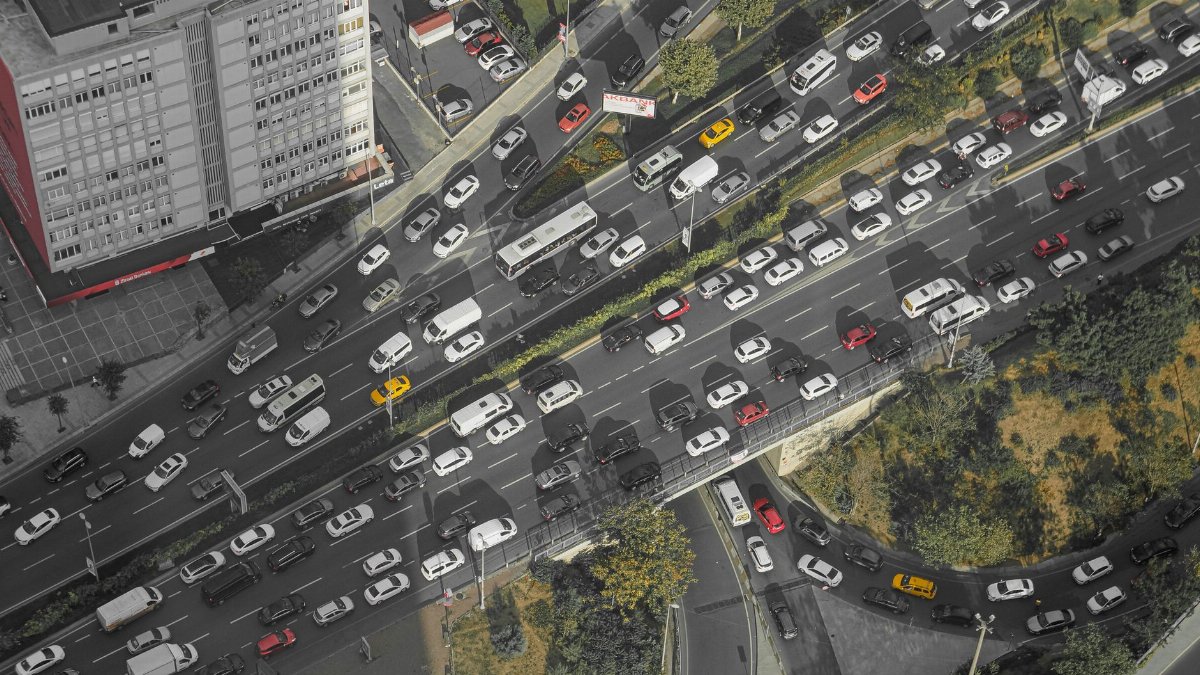
Residents who commute long distances report noticing more cameras at toll plazas and major intersections. Although the devices do not issue tickets for minor infractions their presence prompts conversations about whether routine trips become part of permanent files. Business owners along monitored routes say the systems have helped recover delivery vehicles yet some customers express unease about location tracking.
Legal Challenges and Court Precedents
Lawsuits in other regions have examined whether constant plate scanning violates expectations of privacy in public spaces. Florida courts have yet to issue a definitive ruling on the matter leaving room for legislative action. Attorneys following the cases suggest that any new statute will need to address both immediate enforcement goals and longer term record management.
Funding Sources and Budget Implications

State grants and federal programs have supported initial installations with additional costs covered through local budgets. Expansion plans now face scrutiny over whether returns in recovered property justify ongoing expenses. Lawmakers are weighing options that include phased rollouts tied to measurable reductions in specific offenses.
Public Education Efforts Underway

Community meetings have introduced residents to how the technology works and what rights they retain when a plate is scanned. Materials distributed by election offices explain request processes for viewing stored images though participation rates remain modest. Advocates on both sides continue to refine messages aimed at households that have not followed the issue closely.
Future Policy Directions

Proposals circulating in Tallahassee would require annual reports on camera usage and limit sharing with federal databases unless a direct criminal link exists. Supporters of tighter controls argue that clear boundaries preserve trust while opponents fear delays in locating vehicles involved in serious incidents. The outcome of the governor race could determine which approach receives priority in coming legislative sessions.