
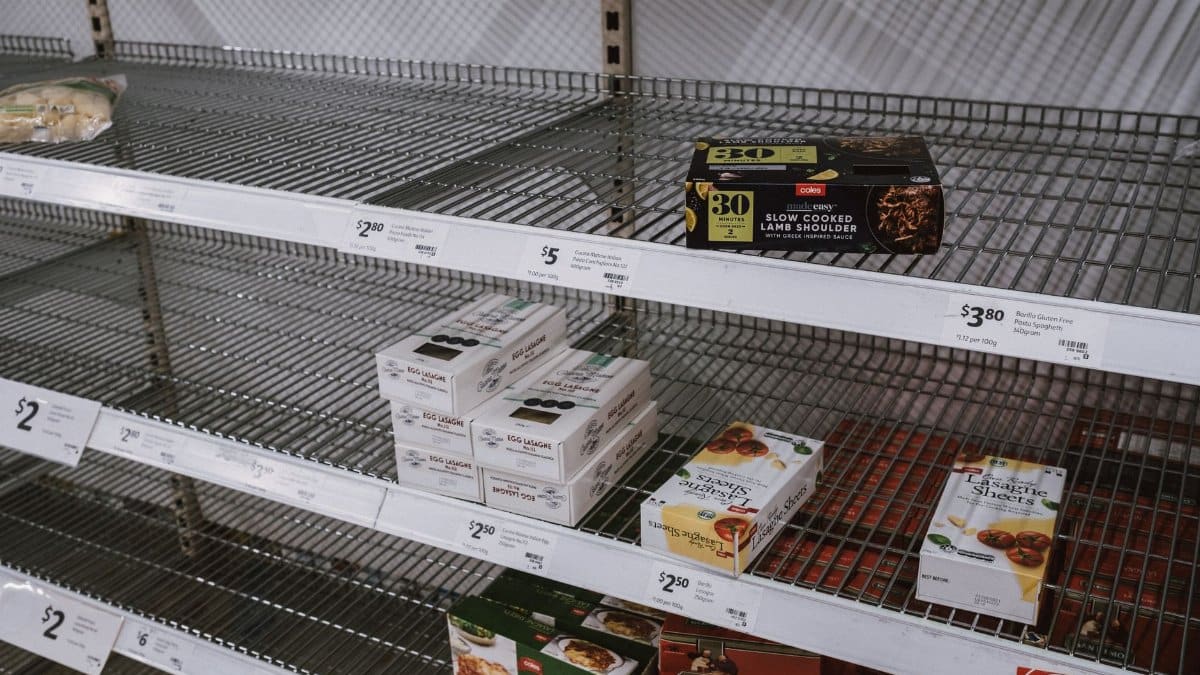
Residents in a San Francisco neighborhood are confronting an uncertain future as their local supermarket prepares to shut down on September 11, 2026. Shoppers who have relied on the store for years now wonder how they will manage without convenient access to fresh produce and everyday essentials. The closure comes amid wider changes in urban retail that often leave buildings vacant for extended periods. The Lucky grocery closing SF has sparked conversations among neighbors about food access and the pace of commercial turnover in the city.
Background on the Store and Its Role

The supermarket served as a steady presence for people living nearby. Families stopped in regularly for weekly supplies while workers grabbed items on their way home. Over time the location became woven into routines that supported a sense of stability in daily life.
Reasons Behind the Decision to Close
Company statements point to shifting sales patterns and rising operational costs as key factors. Neighborhood observers note that competition from larger chains and online delivery services has altered how people shop. These pressures have led management to withdraw from the site rather than continue under current conditions.
Immediate Effects on Daily Shopping Habits

With the doors set to close people must now travel farther for comparable selections. Some residents report planning extra trips by bus or car while others consider delivery options that carry added fees. The change disrupts patterns that once fit easily into busy schedules.
Fears of Long Term Vacancy at the Site
Local leaders express worry that the space could remain unused for years based on past examples in the area. Empty storefronts can discourage foot traffic and affect nearby businesses that depend on steady pedestrian flow. The Lucky grocery closing SF illustrates how single closures sometimes signal larger trends in property use.
Concerns About Reduced Food Access

Advocates highlight that fewer nearby options may limit choices especially for those without reliable transportation. Areas with limited grocery presence often see higher reliance on convenience stores that stock fewer fresh items. This shift raises questions about equity in neighborhood planning and support services.
City Policies and Commercial Property Trends

San Francisco officials have explored incentives to encourage quicker reoccupation of vacant retail spaces. Programs aimed at tax adjustments or streamlined permitting seek to attract new tenants faster. Still outcomes vary and some properties sit idle despite such measures.
Community Efforts to Address the Gap

Neighbors have begun discussing cooperative models or pop up markets as temporary solutions. Meetings have drawn input from small business owners and nonprofit groups focused on local food systems. These conversations reflect a desire to maintain vibrancy even as larger operators depart.
Broader Lessons for Urban Retail Changes
Observers suggest the situation offers perspective on how cities adapt when traditional stores evolve or exit. Similar cases elsewhere show that mixed use redevelopment can eventually fill gaps though timelines often stretch longer than hoped. The Lucky grocery closing SF adds one more example to ongoing debates about balancing growth with everyday needs. The Lucky grocery closing SF continues to prompt reflection on how neighborhoods sustain essential services amid economic shifts. The Lucky grocery closing SF serves as a reminder that individual store decisions carry ripple effects felt across daily routines and community identity. The Lucky grocery closing SF may influence future discussions on retail policy and resident input in planning processes.