
In the hours after flames consumed a vast storage facility in Boyle Heights residents watched as crews battled the blaze with massive volumes of water and suppressant. That same mixture soon traveled through storm drains and surface channels carrying residues toward the Los Angeles River and creating a situation whose full Boyle Heights Fire Environmental Impact is still being measured by specialists from multiple agencies.
Tracing Foam Movement Into Local Waterways
Officials mapped the route the mixture took after leaving the warehouse grounds. Sensors placed along drainage lines recorded elevated levels of chemical markers within the first day. These readings guided crews to install temporary barriers at key junctions before the flow could reach sensitive marsh areas downstream.
Initial Water Quality Readings Reported

Early samples collected at several river access points showed traces of perfluorinated compounds commonly found in modern firefighting products. While concentrations remained below acute danger thresholds the presence alone triggered standing protocols for expanded monitoring across a wider stretch of the waterway.
Effects Observed on Nearby Vegetation
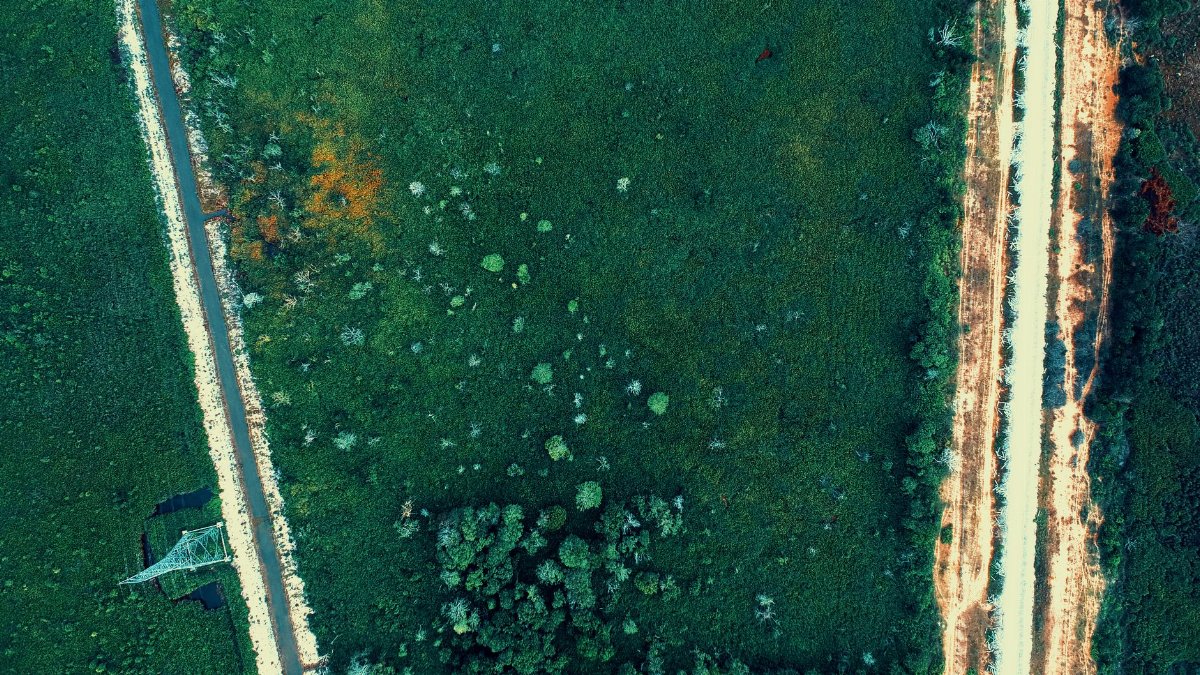
Botanists examined reeds and shrubs along the riverbanks for signs of stress linked to the foam runoff. Some plants displayed leaf discoloration within seventy two hours though researchers caution that seasonal drought may share responsibility for the changes observed so far.
Wildlife Monitoring Efforts Underway

Teams from regional wildlife services began daily counts of fish and amphibian populations in affected segments. Preliminary observations noted no mass die offs yet biologists continue to track breeding behavior and migration patterns that could reveal subtler shifts over the coming weeks.
Neighborhood Discussions on Air and Water Safety
Public meetings drew dozens of local families seeking clarity on exposure risks. Health department representatives presented ventilation guidelines for homes near the river corridor and advised against recreational use of the water until further clearance is issued.
Agency Coordination Across Jurisdictions

City county and state entities formed a joint task force to share data and allocate cleanup resources. Daily briefings allowed each group to align sampling schedules and avoid duplication while maintaining a unified public information stream.
Comparisons With Earlier Regional Incidents
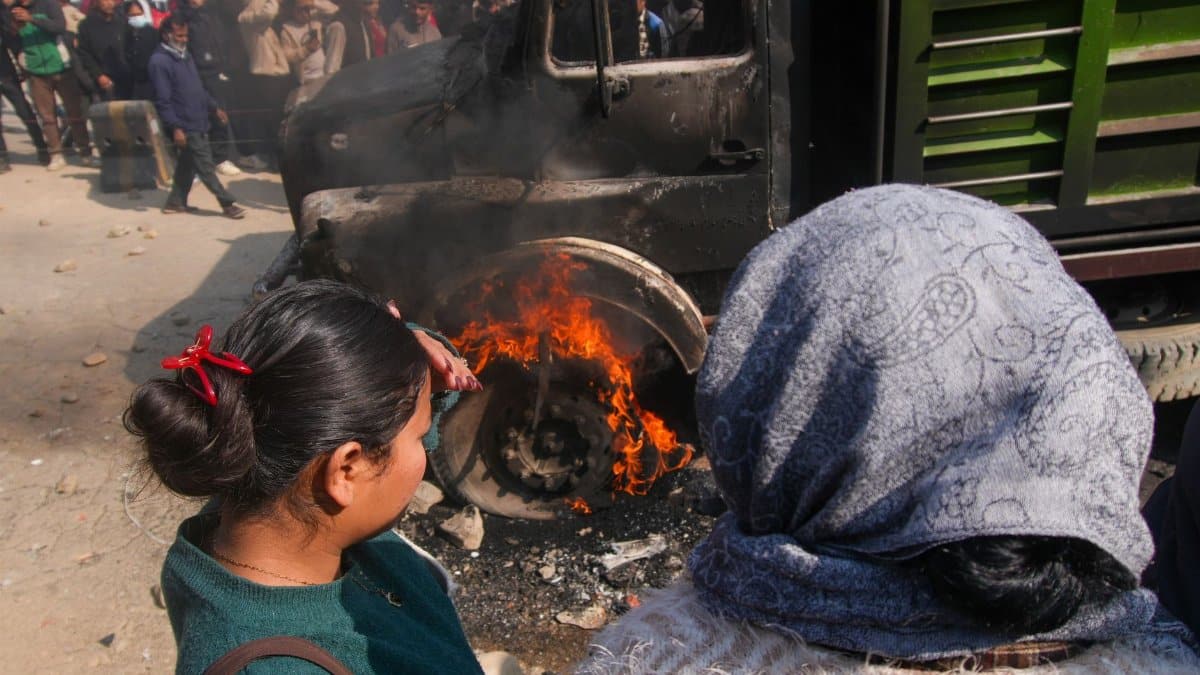
Records from previous industrial fires in the basin indicate that foam related compounds can persist in sediment for extended periods. Lessons drawn from those events are shaping current containment tactics including the use of absorbent booms at strategic bends in the river.
Long Term Sediment Testing Plans
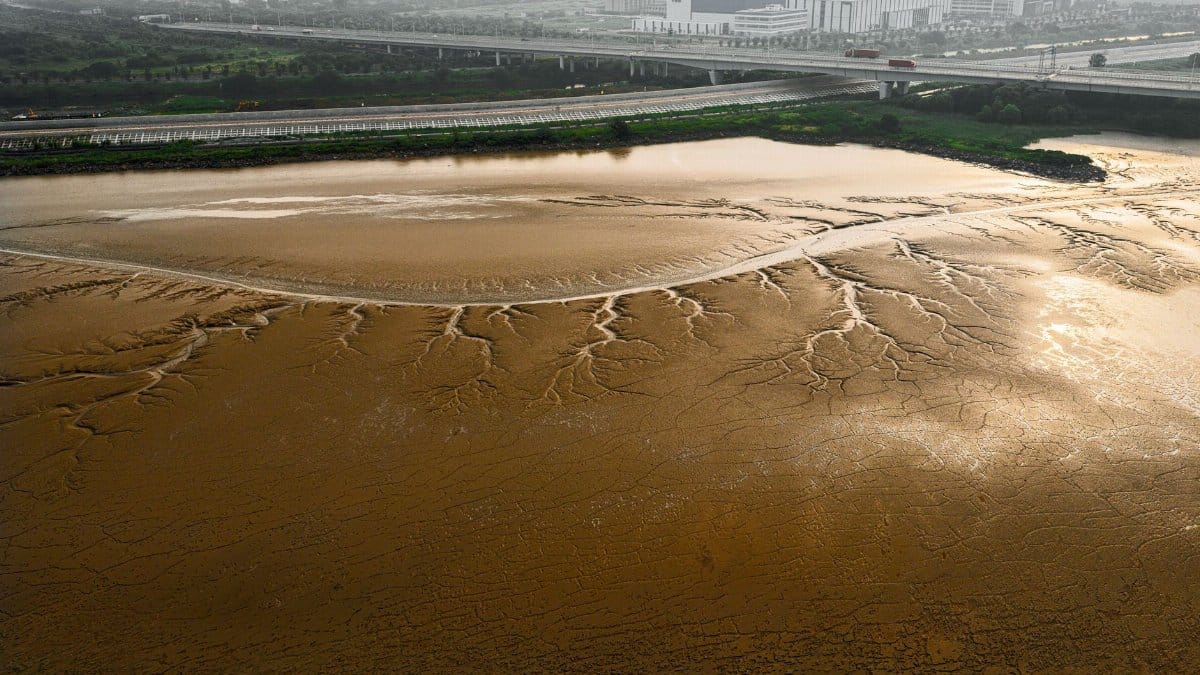
Specialists intend to collect core samples at regular intervals over the next twelve months. These cores will help determine whether residues settle into the riverbed or disperse during seasonal high flows that typically arrive in late winter.
Industry Standards for Fire Suppressants Reviewed
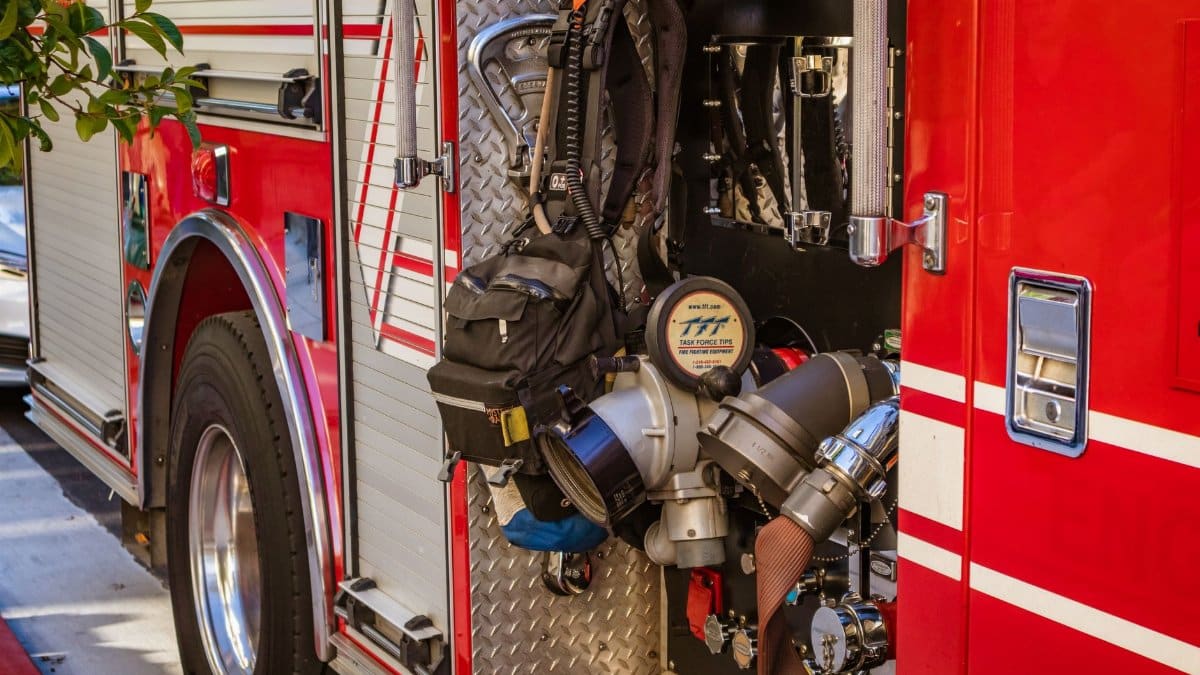
Manufacturers face renewed scrutiny over formulations that resist breakdown once released into the environment. Discussions at trade gatherings have turned toward alternatives that maintain fire control performance while reducing persistence in natural systems.
Community Science Initiatives Launched

Local volunteers trained in basic sampling techniques now assist professional crews by gathering water from backyard ditches and storm grates. Their contributions expand the geographic reach of data collection without additional public expenditure.
Policy Proposals Emerging From Current Events

Lawmakers have begun drafting measures that would require larger buffer zones around warehouses storing flammable goods. The proposals also call for mandatory containment basins designed to capture runoff before it leaves private property lines.