
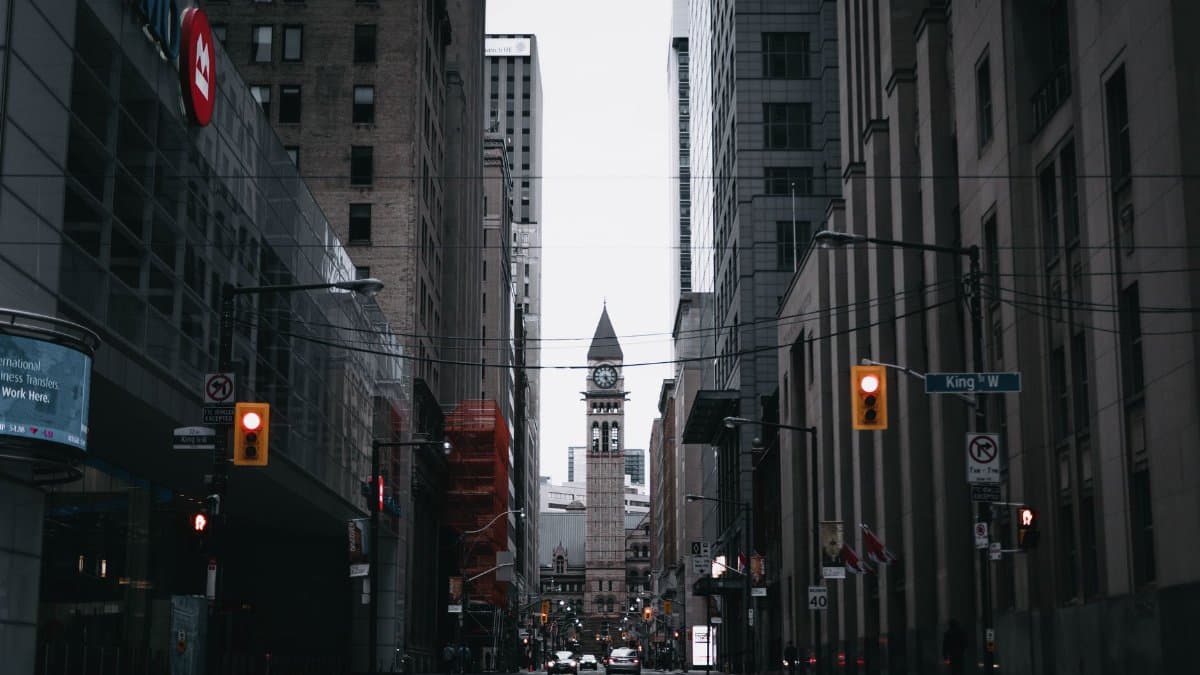
In the heart of Philadelphia where historic structures meet daily foot traffic city leaders have moved forward with proposals aimed at reshaping a central corridor. The focus rests on enhancements that favor pedestrians alongside efforts to boost commerce along this stretch leading toward City Hall.
Origins of the Corridor Renewal Idea
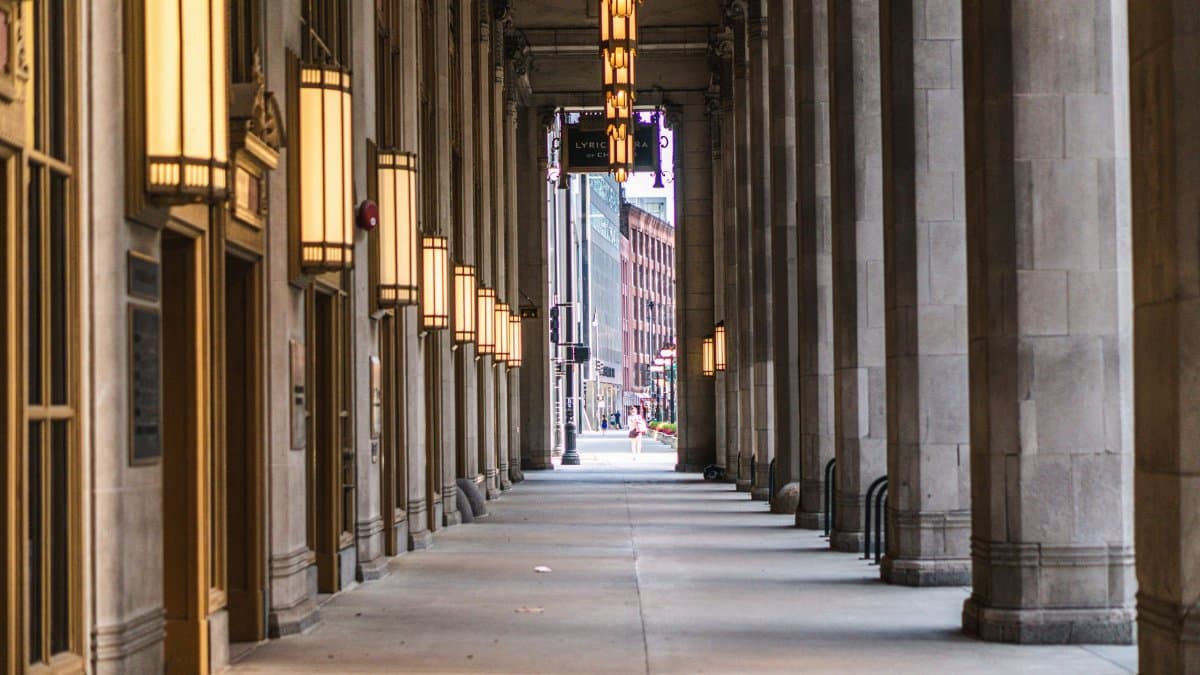
Philadelphia has long viewed Market Street as a backbone for movement and exchange. Discussions about updates gained momentum in the middle of the 2020s as data showed rising pedestrian volumes and shifting retail patterns. Officials examined how past investments in nearby areas created momentum for broader changes. The Market Street revamp emerged as a logical next step to address aging infrastructure while aligning with citywide goals for safer streets.
Key Elements in the Proposed Design

Plans call for wider sidewalks expanded seating areas and improved lighting to encourage evening activity. Bike lanes would connect with existing networks to reduce reliance on cars. Green spaces would appear at intervals to offer moments of calm amid urban density. These features reflect input from transportation experts who studied similar projects in other American cities.
Business Community Reactions and Hopes

Shop owners along the route express cautious optimism about the Market Street revamp. Many anticipate higher foot traffic once construction concludes though some worry about short term disruptions during work phases. Retail associations have met with planners to discuss signage rules and loading zones that could support deliveries without blocking new walkways. Early estimates suggest modest gains in sales once the area becomes more inviting.
Public Meetings Shape Final Details

Residents attended several sessions to voice concerns about accessibility and noise. Feedback led to adjustments such as additional crosswalks and protected areas for outdoor dining. Organizers noted strong interest in preserving historic facades while introducing modern elements. This dialogue helped refine the scope so that the Market Street revamp addresses both practical needs and aesthetic preferences.
Environmental Aspects of the Project

Designers incorporated permeable pavement and tree plantings to manage stormwater more effectively. Such measures align with Philadelphia sustainability targets and could lower urban heat effects in summer months. Energy efficient street lamps would cut electricity use compared with older fixtures. Advocates for green urbanism see these choices as steps toward a more resilient downtown environment.
Transportation Network Adjustments
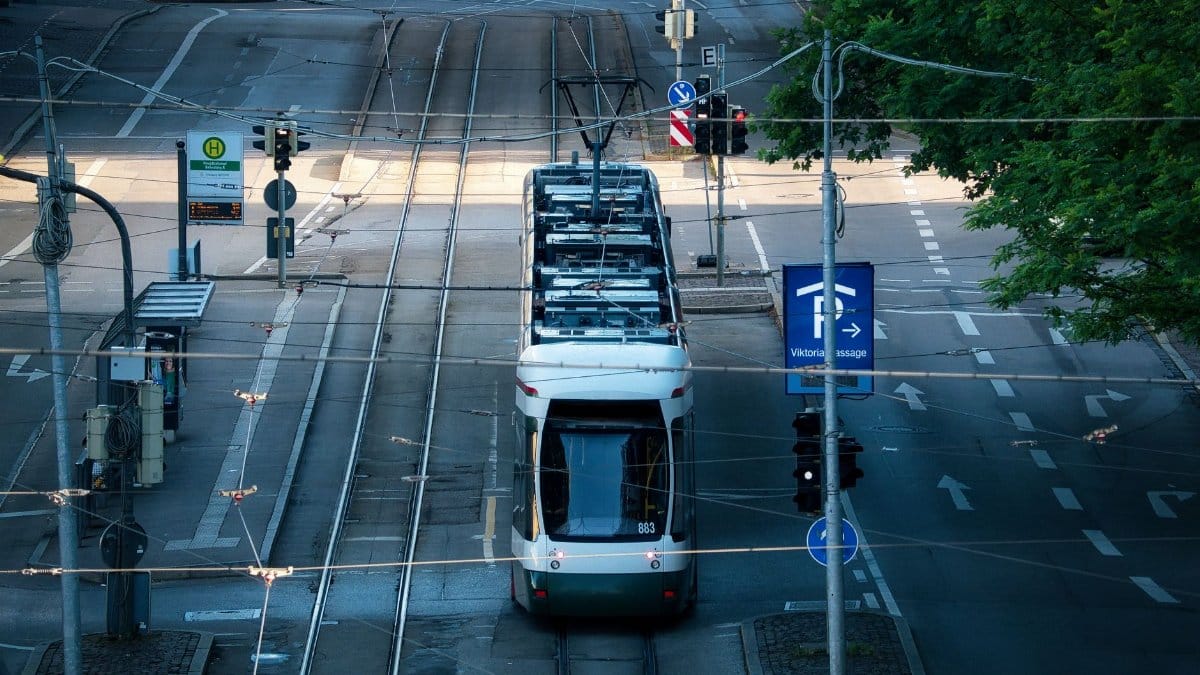
Transit authorities plan to coordinate bus stops with the new layout to improve transfers. Reduced vehicle lanes aim to slow traffic and lower collision risks at intersections. Delivery schedules may shift to off peak hours to maintain flow. Overall the changes seek smoother movement for all users once the Market Street revamp reaches completion.
Timeline and Budget Considerations

Work is slated to begin in phases starting from the eastern end near Sixth Street. Funding combines local allocations with state grants focused on infrastructure renewal. Project managers expect the full effort to span several years with periodic updates shared publicly. Delays remain possible if unforeseen utility issues arise during excavation.
Comparisons With Other City Initiatives
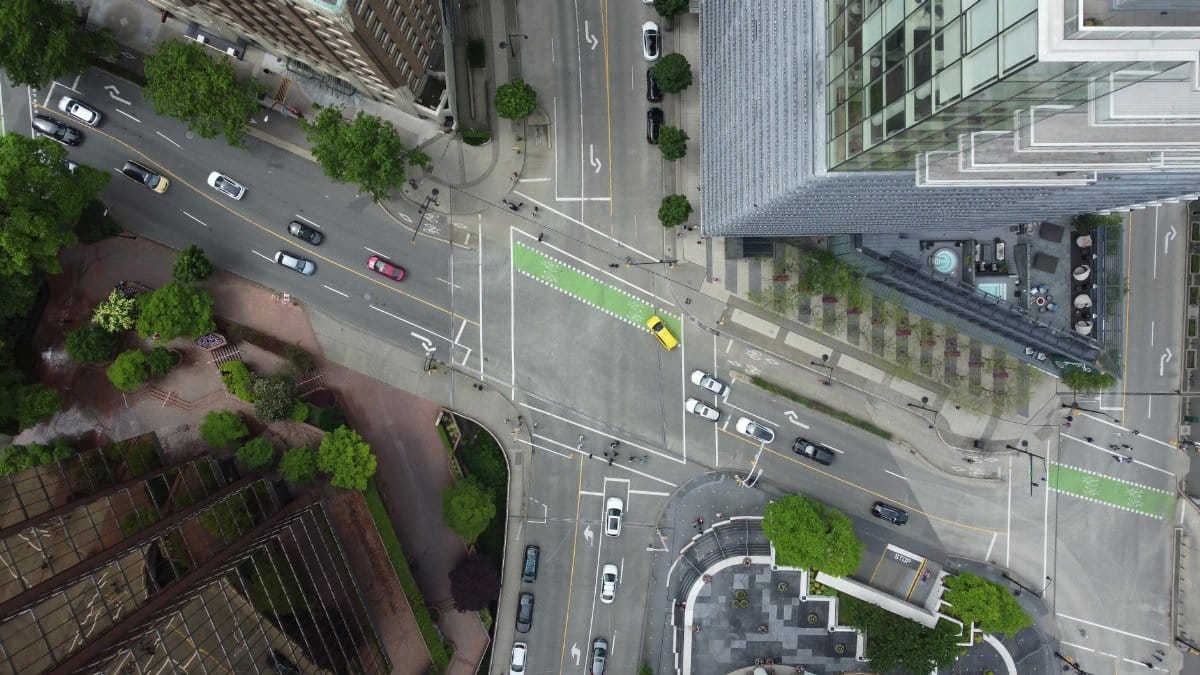
Similar street improvements in districts like Northern Liberties demonstrated increased property values and visitor numbers after completion. Lessons from those efforts inform current approaches to vendor policies and maintenance responsibilities. Planners review outcomes there to anticipate challenges unique to the Market Street revamp.
Potential Influence on Neighborhood Spirit

Beyond physical changes the project could foster greater connection among daily users of the corridor. Renewed public spaces often host informal gatherings that strengthen social ties. In a category sometimes overlooked in urban discussions this renewal carries echoes of communal renewal that resonate with broader trends in city life.
Next Steps for Oversight and Evaluation

Committees will monitor progress through regular reports and public dashboards. Metrics such as pedestrian counts and business activity will guide any mid course corrections. Success will depend on sustained collaboration among agencies and stakeholders invested in the Market Street revamp outcome.