
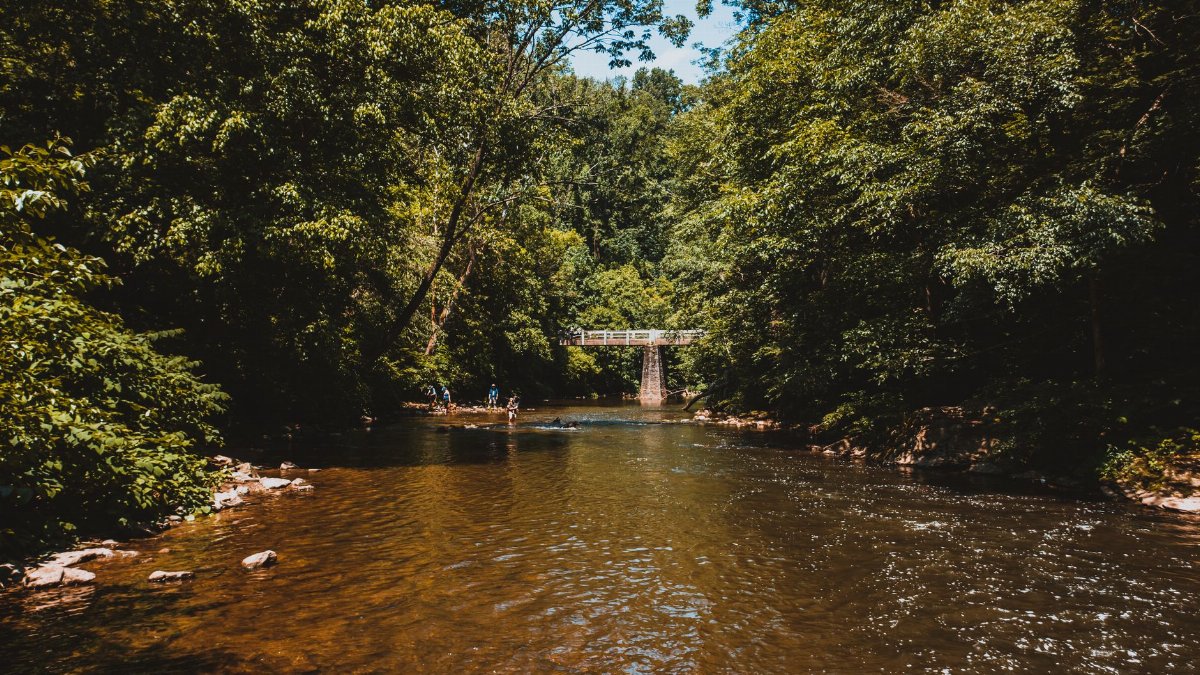
In the quiet trails and dense woodlands of Wissahickon Valley Park, a sense of anticipation builds as crews prepare for an ambitious shoot that will transform familiar paths into scenes of drama and tension. Residents who walk these grounds daily may soon encounter barriers and equipment trucks, yet the arrival also brings a chance for reflection on how stories unfold amid natural settings. Task filming Philly will occupy key areas during August of 2026, with temporary lot closures that affect local access while promising fresh visibility for the region.
Park Selection and Its Deeper Resonance
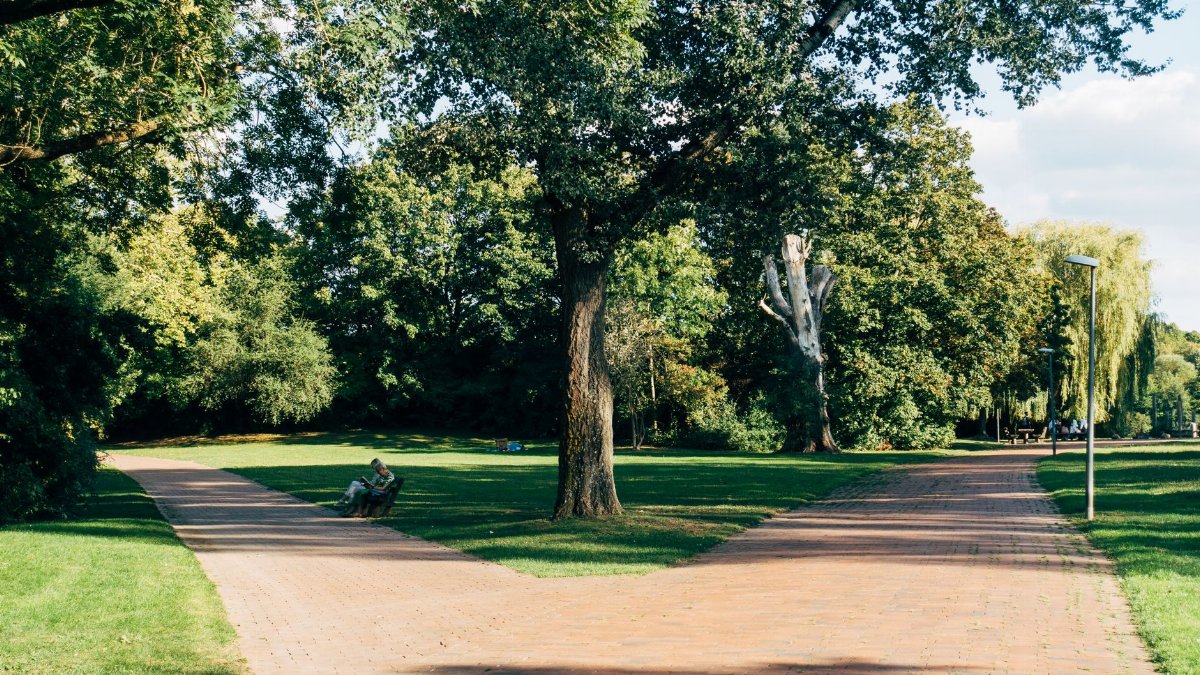
Producers chose Wissahickon Valley Park for its layered terrain that mixes open meadows with shaded ravines. This environment lends itself to visual storytelling that feels grounded and alive. Crews value the park because it offers both seclusion and proximity to urban resources, allowing schedules to stay on track without constant relocation. Local advocates note that such choices often highlight overlooked green spaces and encourage visitors to appreciate their own surroundings more fully.
Community Reactions Across Northwest Philadelphia
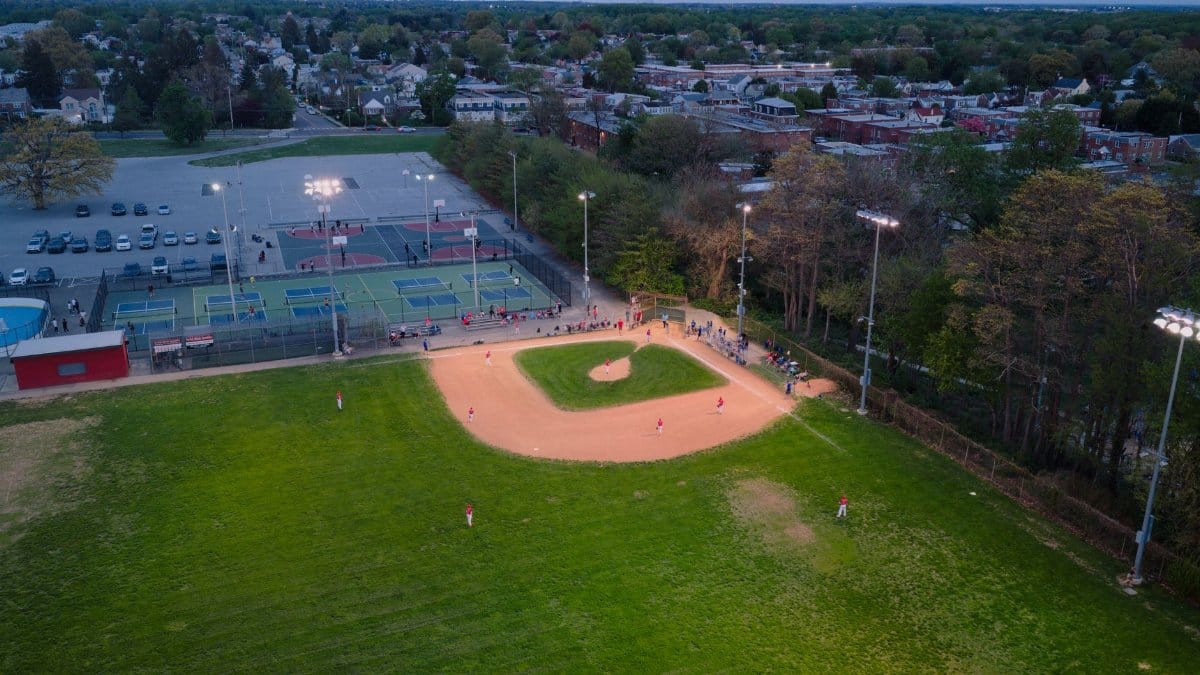
Neighbors have voiced a mix of curiosity and mild concern over the upcoming activity. Some welcome the economic activity from lodging and meals for visiting staff, while others worry about noise and restricted entry during peak summer weeks. Meetings hosted by park officials have provided clear timelines so families can plan around closures. Many see the project as an opportunity to showcase the area in a national production that reaches wide audiences.
Logistical Preparations Before Cameras Roll

Advance teams have mapped out staging areas and reviewed safety protocols with city departments. Permits cover equipment transport and temporary structures that will house wardrobe and catering. Organizers emphasize minimal impact on wildlife corridors, scheduling heavy work during daylight hours to reduce disturbance after dusk. These steps reflect standard practices refined over years of location shoots in public lands.
Spiritual Dimensions of Filming in Nature

Task filming Philly intersects with themes of renewal that many associate with time spent outdoors. The park itself serves as a quiet sanctuary where people seek clarity amid daily pressures. Bringing narrative work into this space invites viewers to consider how external environments shape inner journeys. Observers suggest the series may capture moments that echo broader human searches for meaning beyond city routines.
Economic Ripples for Local Businesses

Restaurants and shops near the park anticipate steady foot traffic from production personnel throughout the month. Past experiences with similar projects show modest but noticeable gains in sales during filming windows. Vendors have begun preparing menus that accommodate longer shifts, while hotels report increased bookings from out of town specialists. Such activity supports jobs without permanent alteration to the landscape.
Balancing Access and Preservation Goals
Officials have outlined staggered closure plans that keep main trails open on weekends. Signage will guide walkers toward alternate routes, and volunteer stewards will monitor sensitive zones to prevent erosion. The approach draws from earlier successful efforts that protected habitats while allowing public use. Feedback loops with community groups aim to adjust measures if unexpected issues arise.
Historical Context of Productions in Regional Parks
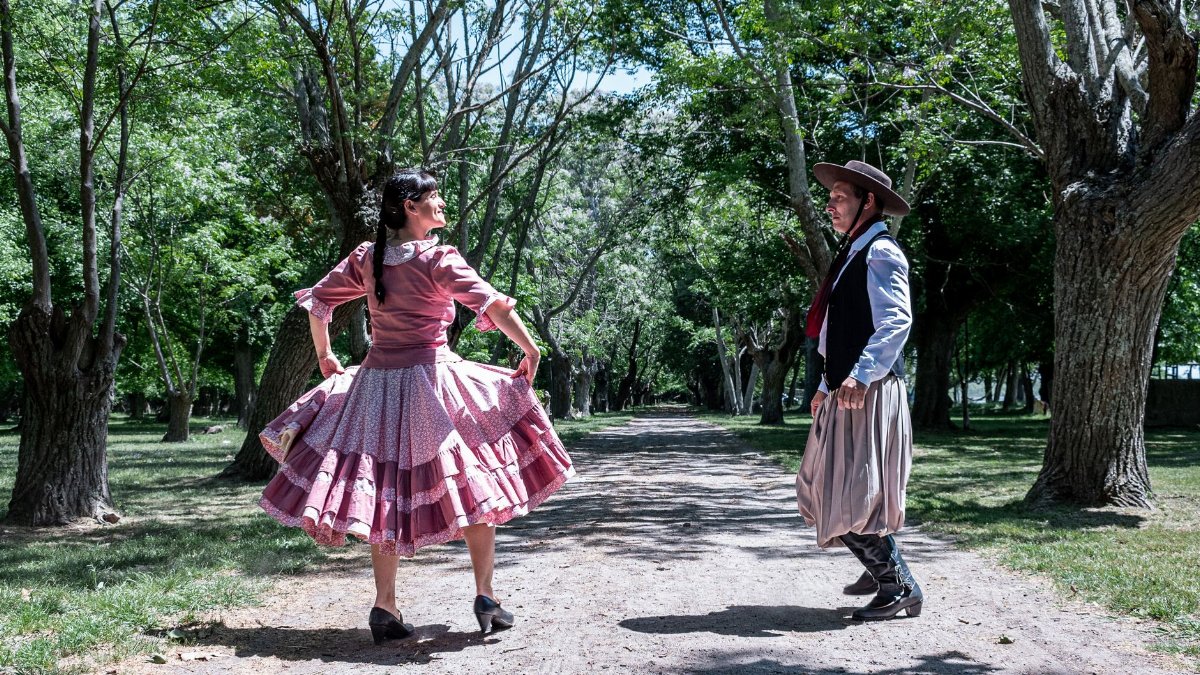
Philadelphia parks have hosted various film projects over recent decades, each leaving behind lessons on coordination and respect for shared resources. Earlier shoots demonstrated that careful planning preserves the character of these places long after crews depart. Task filming Philly continues this pattern by prioritizing transparency and collaboration with stewards who maintain the grounds year round.
Viewer Expectations and Narrative Potential
Audiences familiar with the source material may anticipate scenes that blend urban grit with moments of solitude. The park setting could provide contrast that deepens character arcs without relying on artificial backdrops. Early casting announcements suggest roles that explore personal crossroads, fitting naturally against the contemplative atmosphere of wooded paths.
Long Term Visibility for the Area
Once the series airs, footage of Wissahickon Valley Park may draw new interest from travelers seeking authentic urban nature escapes. Past examples from other cities show sustained tourism growth following prominent features in popular shows. Local tourism boards plan quiet promotional efforts to channel that attention responsibly once the episodes reach screens.
Reflections on Change and Continuity
Change arrives in measured ways through projects like this one. Task filming Philly represents another chapter in the ongoing story of how cities and their green spaces adapt together. For those who value both cultural output and environmental care, the coming weeks offer a chance to witness that balance in real time, with outcomes that extend beyond a single production cycle.