
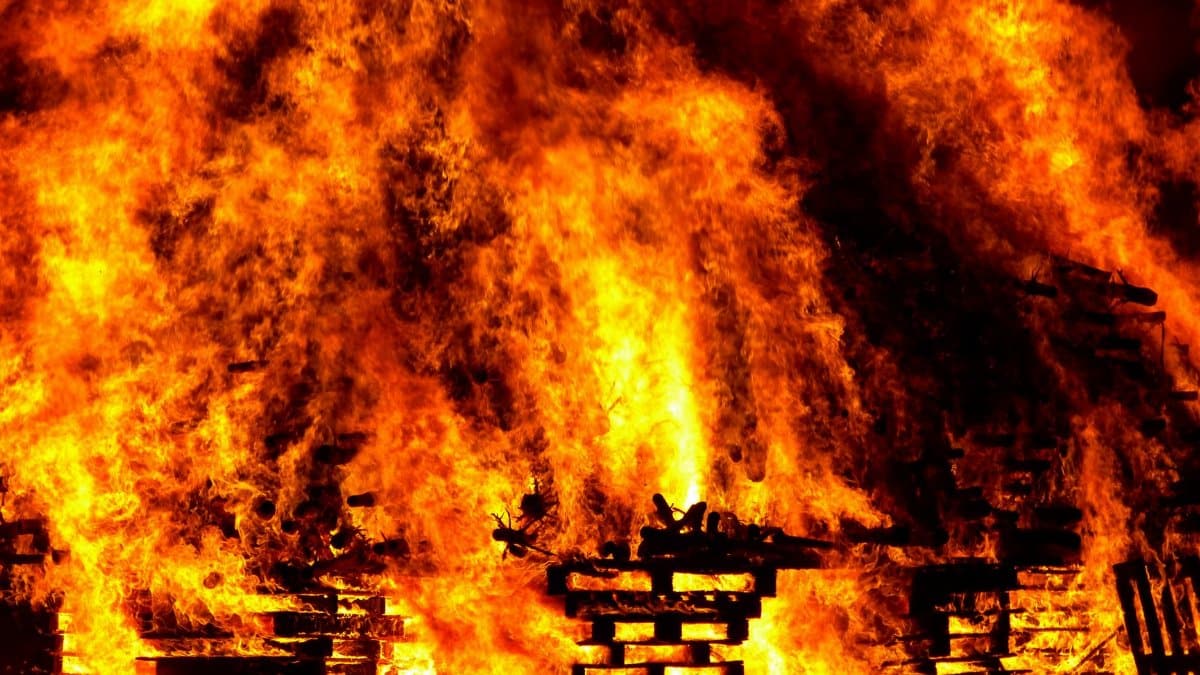
Residents across portions of the Pacific Northwest are preparing for a period of elevated risk as dry air and strong winds converge over the landscape. Forecasts point to rapid fire spread potential in areas where vegetation has dried under prolonged heat. This comes as the National Weather Service highlights particular concerns for Eastern and Central zones. The overall picture underscores Washington fire danger as a pressing reality for communities that rely on forests and open lands for livelihoods and recreation. Officials urge vigilance without panic while noting how quickly situations can shift under current patterns.
Forecast Details Shape Weekend Outlook

Models indicate gusts could reach notable speeds while humidity drops to single digits in spots. Such combinations often allow flames to advance faster than usual containment efforts. Meteorologists stress that even a small ignition source might grow into a larger incident within hours. Preparation steps include clearing yards of debris and confirming evacuation routes remain accessible. Local agencies have begun sharing updates through various channels to keep everyone informed.
Regional Impacts on Communities
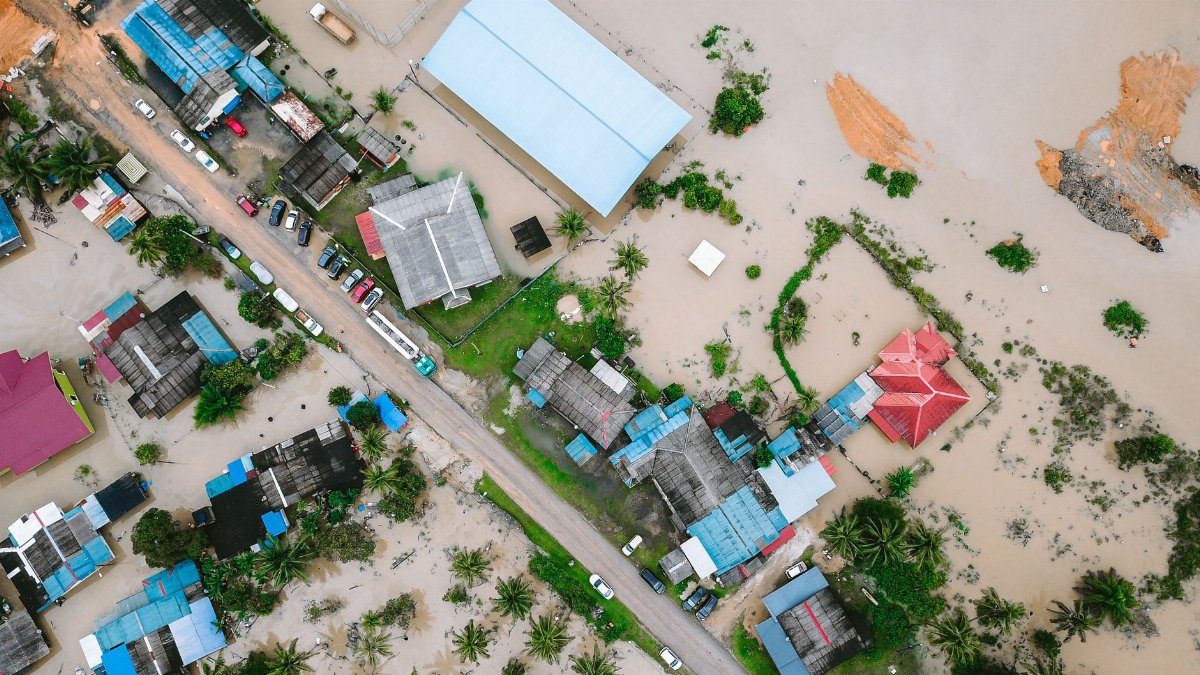
Eastern counties face the most immediate pressure due to terrain that funnels wind effectively. Central areas meanwhile contend with similar dryness though slightly different topography. Both regions share a history of challenging fire seasons that have tested resources and resolve. Families there often discuss past events when planning annual routines around summer months. Support networks within towns provide updates and assistance where needed.
Role of Weather Patterns in Recent Years
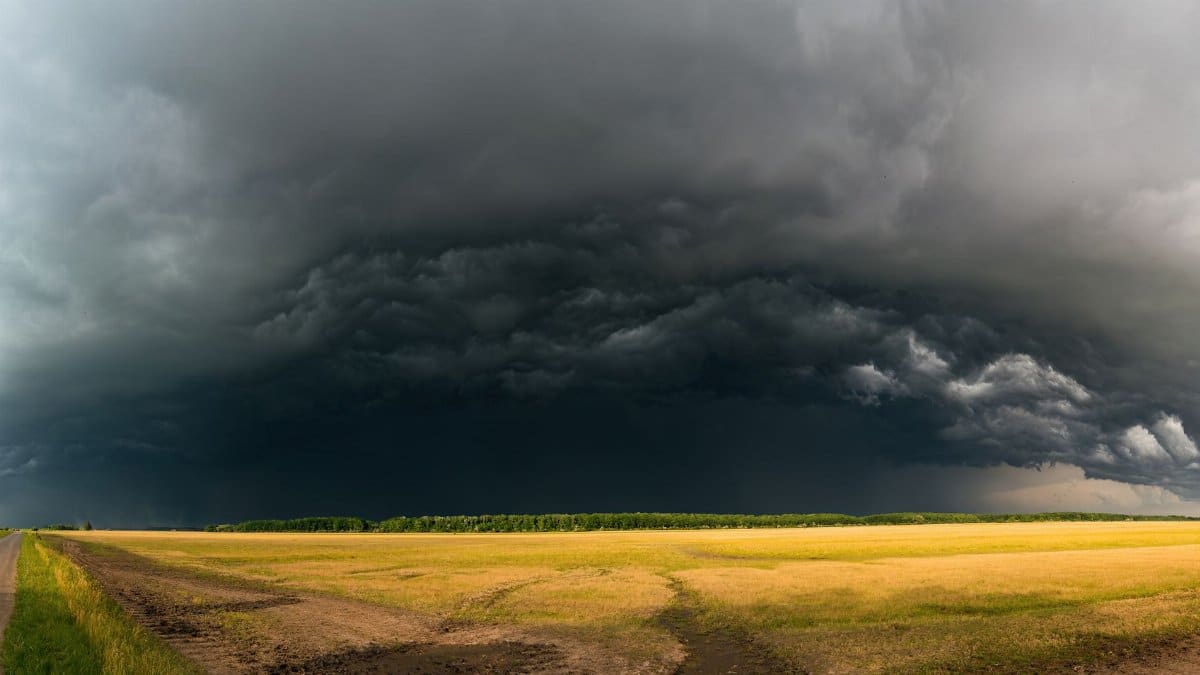
Climate trends have contributed to extended dry spells across the inland Northwest. This has altered vegetation growth cycles and increased fuel loads in many locations. Scientists continue to track how these shifts influence seasonal risks. Public discussions frequently reference the need for adaptive strategies at both individual and governmental levels. Data from prior periods helps refine current response protocols.
Preparedness Measures for Households

Experts recommend creating defensible space around properties by trimming trees and maintaining watered zones. Emergency kits stocked with essentials offer peace of mind during uncertain times. Communication plans among neighbors can prove valuable if phone services face disruptions. Community workshops held throughout the year cover these topics in detail. Participation helps build collective readiness.
Effects on Local Ecosystems
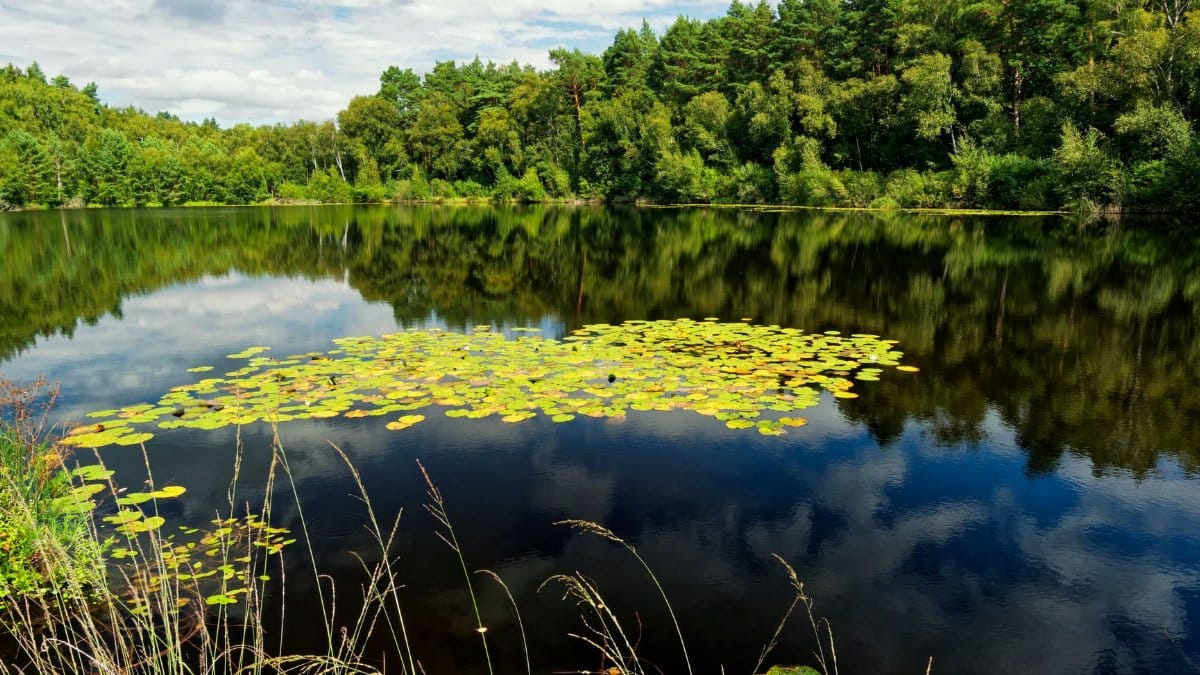
Wildlife habitats stand to experience stress from any large scale events. Plants adapted to occasional burns may recover but repeated occurrences change the balance. Water sources in affected zones require monitoring to protect aquatic life. Conservation groups monitor recovery in previously impacted sites to guide future efforts. Balance between human needs and natural preservation remains a focus.
Coordination Among Response Teams
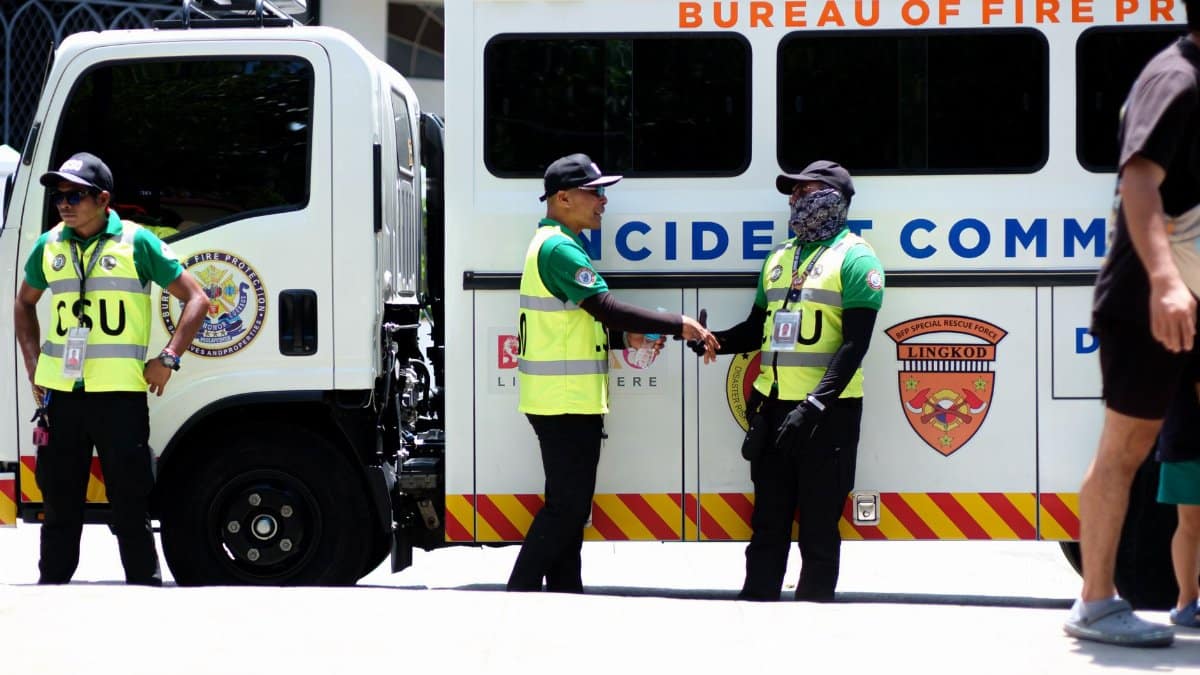
Firefighting units from multiple agencies practice joint operations to improve efficiency. Equipment sharing agreements allow quicker deployment when demands rise. Training programs emphasize safety alongside effectiveness in variable conditions. After action reviews following events lead to refinements in tactics. Such collaboration strengthens overall capacity across the state.
Public Communication Strategies

Alerts through radio television and digital platforms aim to reach broad audiences promptly. Clear language helps avoid confusion during fast moving developments. Feedback from residents informs adjustments to messaging approaches. Partnerships with schools and businesses extend the reach of important notices. Consistent information flow supports informed decision making.
Economic Considerations for Affected Areas
Tourism and agriculture sectors watch developments closely as restrictions might affect operations. Insurance discussions often arise in high risk zones following significant incidents. Long term planning includes investments in mitigation infrastructure. Economic analyses help quantify potential losses and recovery needs. Diversification efforts provide some buffer against seasonal uncertainties.
Historical Context and Lessons Learned

Past fire events have shaped policies that guide present day management. Records show variations in severity tied to weather cycles and human activity. Communities reflect on these chapters when updating local ordinances. Shared stories passed among generations highlight both challenges and resilience. This background informs ongoing dialogues about sustainable practices.