
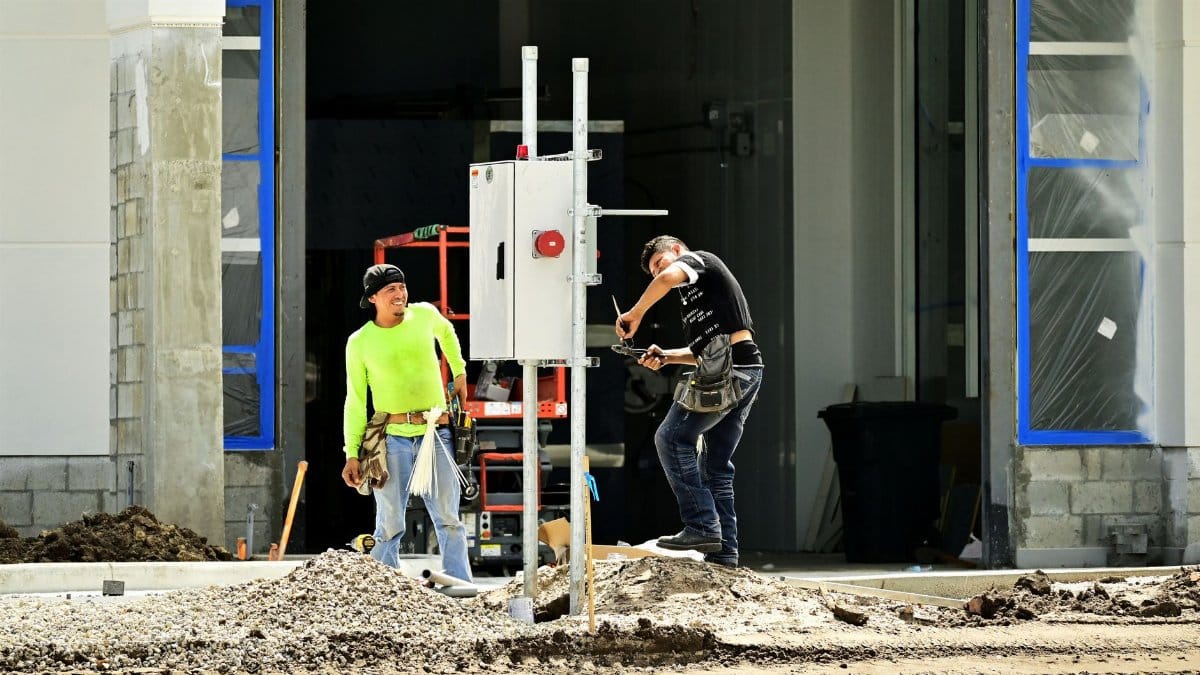
In the quiet corners of western Massachusetts a proposed facility has set neighbors against one another in ways that echo larger national tensions over technology and livelihood. Residents voice concerns about noise power use and changes to the local landscape while crews who build such projects see steady paychecks and a chance to support families in a region where opportunities can feel limited. The discussion around data centers Westfield captures this split in vivid terms as one side emphasizes preservation and the other focuses on practical needs for work. Observers note that similar projects across the country often produce the same pattern of resistance from those already settled and support from those seeking employment. This divide reflects not only immediate local effects but also deeper questions about how communities balance growth with longstanding values of place and stability.
Local Reactions to Large Scale Building Plans
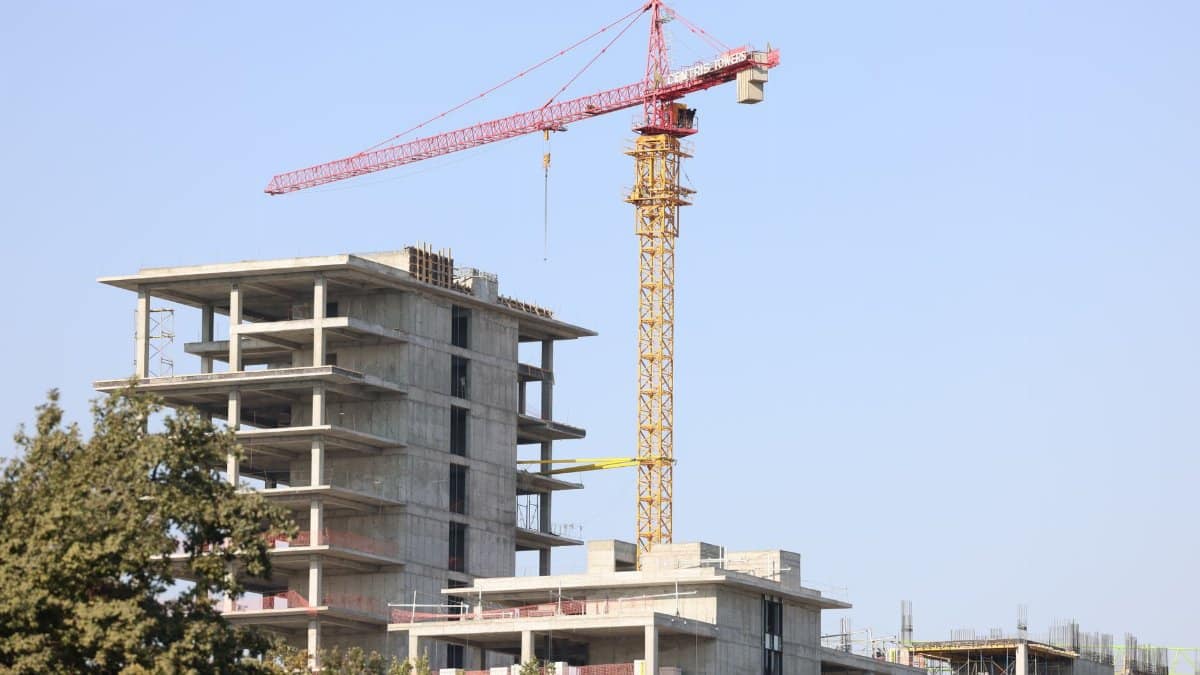
Many families in Westfield have lived in the area for generations and they worry that new facilities could alter daily life in noticeable ways. Meetings at town halls draw crowds where people share stories of past developments that promised benefits yet delivered unexpected costs. Some describe fears of increased traffic and higher utility demands that might strain existing resources.
Job Opportunities for Skilled Trades

Construction crews view these projects as reliable sources of income during periods when other building work slows. Welders electricians and equipment operators report that such sites offer contracts lasting months or years allowing them to plan ahead with greater confidence. Union representatives point out that these roles often include benefits packages that help cover health care and retirement needs.
Energy Demands and Regional Power Supplies

Facilities of this type require substantial electricity which raises questions about how local grids will handle the added load. Officials have discussed upgrades to transmission lines and potential new generation sources to meet the needs without disrupting service to homes and smaller businesses. Discussions continue on whether renewable options could play a larger role in the overall setup.
Effects on Nearby Property Values
Real estate agents in the area observe that uncertainty around the project has led some homeowners to pause selling decisions. Appraisers note that proximity to industrial sites can influence market prices though outcomes vary based on specific locations and screening measures. Longtime owners express hope that any changes remain minimal over time.
Perspectives from Faith Based Community Groups

Churches and spiritual organizations in Westfield have hosted forums where members explore the ethical dimensions of technological expansion. Participants reflect on themes of stewardship and mutual care asking how progress can align with principles of compassion for both workers and the environment. These gatherings emphasize dialogue rather than confrontation.
Comparisons with Other Towns Facing Similar Choices

Across New England several communities have weighed comparable proposals in recent years. Some accepted developments after negotiations secured additional community funds while others rejected plans following extended reviews. Patterns emerge that highlight the role of transparent planning in shaping final decisions.
Future Outlook for the Proposed Site

Town leaders continue to review applications and gather public input before any final approvals. State agencies may also weigh in on environmental reviews which could extend the timeline. Residents and workers alike await clearer indications of what comes next for the area.