

In the quiet routine of daily life a resident of western Massachusetts discovers that the counselor who helped through years of anxiety has relocated just across the state line. Sessions must end abruptly because no agreement exists to let the same professional continue the work from a new address. This gap leaves people navigating transitions with fewer options at a moment when steady support matters most. The therapist licensing compact offers one path to close such divides yet Massachusetts stands alone in New England by declining to adopt it.
Why Neighboring States Moved Ahead

Connecticut Rhode Island and Vermont all entered the compact in recent years. Their legislatures saw the value in letting licensed professionals serve clients who cross borders for work or family reasons. Data from those states show increased access without any drop in care standards. Officials there report smoother workflows for practitioners who maintain one license yet reach more people.
Impact on Everyday Patients

People who split time between two homes or who move for a job often lose continuity. A parent seeking family counseling may find the original provider suddenly unavailable. Such breaks can extend periods of distress and raise costs when new evaluations begin from scratch. Families describe the process as an added layer of stress during already unsettled times.
Views from Licensed Professionals

Therapists in Massachusetts express frustration over lost opportunities to keep helping long term clients. Many maintain offices near borders yet must refuse cases that would require crossing lines. Surveys by professional groups indicate strong support among practitioners for joining the compact to reduce these limits.
Legislative History and Current Status

Proposals to join the compact reached the State House several times. Committees heard testimony from patients and providers alike. Each time the measure stalled amid debates over oversight and fees. Lawmakers have yet to schedule a full vote this session leaving the issue unresolved.
Comparisons with Other Health Fields

Nurses physicians and psychologists already participate in similar compacts nationwide. Those arrangements demonstrate that shared standards can protect the public while expanding reach. Mental health care has lagged behind these models despite comparable training requirements and ethical codes.
Potential Benefits for Rural Areas

Communities far from urban centers often face shortages of specialists. A compact would allow therapists based elsewhere to offer remote sessions without new state credentials. Early evidence from participating regions points to shorter wait times and broader choice for residents in less populated zones.
Concerns Raised by Regulators

Some officials worry about tracking disciplinary actions across state lines. They note the need for robust data sharing systems before any agreement takes effect. Proponents counter that existing compacts in other professions already address these issues through centralized databases and regular reporting.
National Trends in Licensure Reform

More than a dozen states outside New England have adopted the therapist licensing compact in the past three years. Momentum comes from both rural and suburban districts where residents seek flexible care options. Federal health agencies have encouraged such steps as part of broader workforce strategies.
Stories from Those Affected
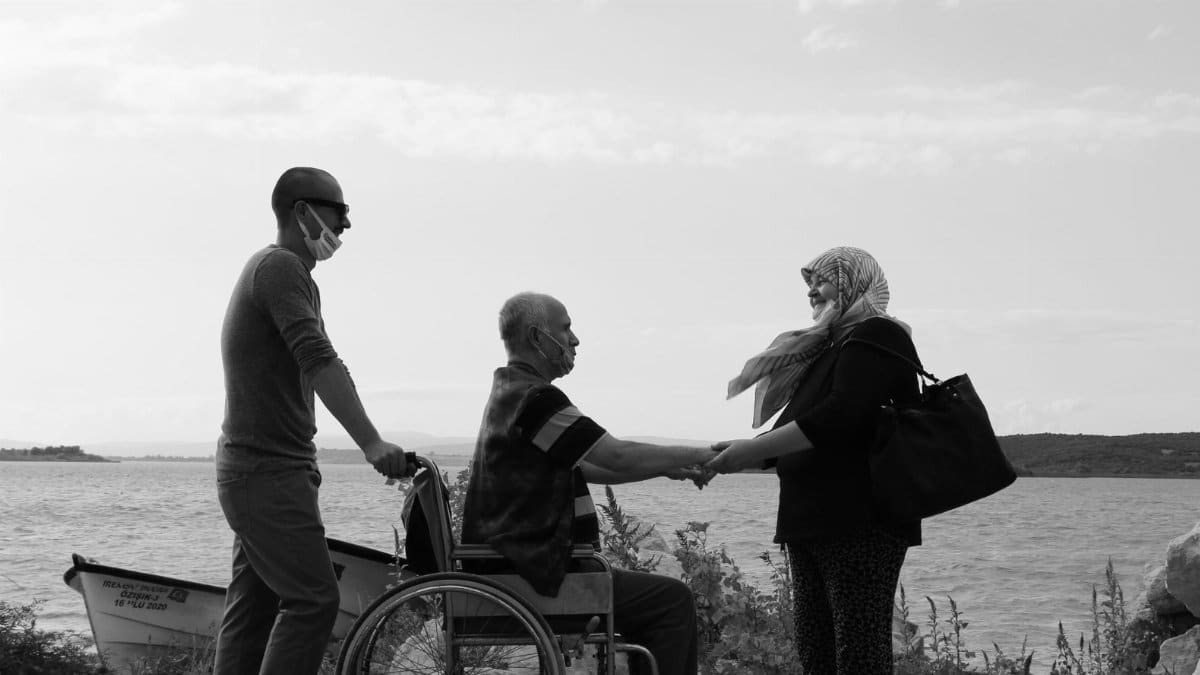
One college student returning home from another state lost access to a trusted provider after graduation. Another case involved a military spouse whose frequent moves disrupted ongoing therapy each time. These accounts illustrate how the missing compact creates repeated starts rather than sustained progress.
Next Steps for Massachusetts

Advocates plan renewed outreach to legislators this fall. They aim to pair patient narratives with cost analyses showing modest administrative burdens. Public hearings could give voice to the range of experiences now limited by the current framework. The outcome will shape access for years ahead.